
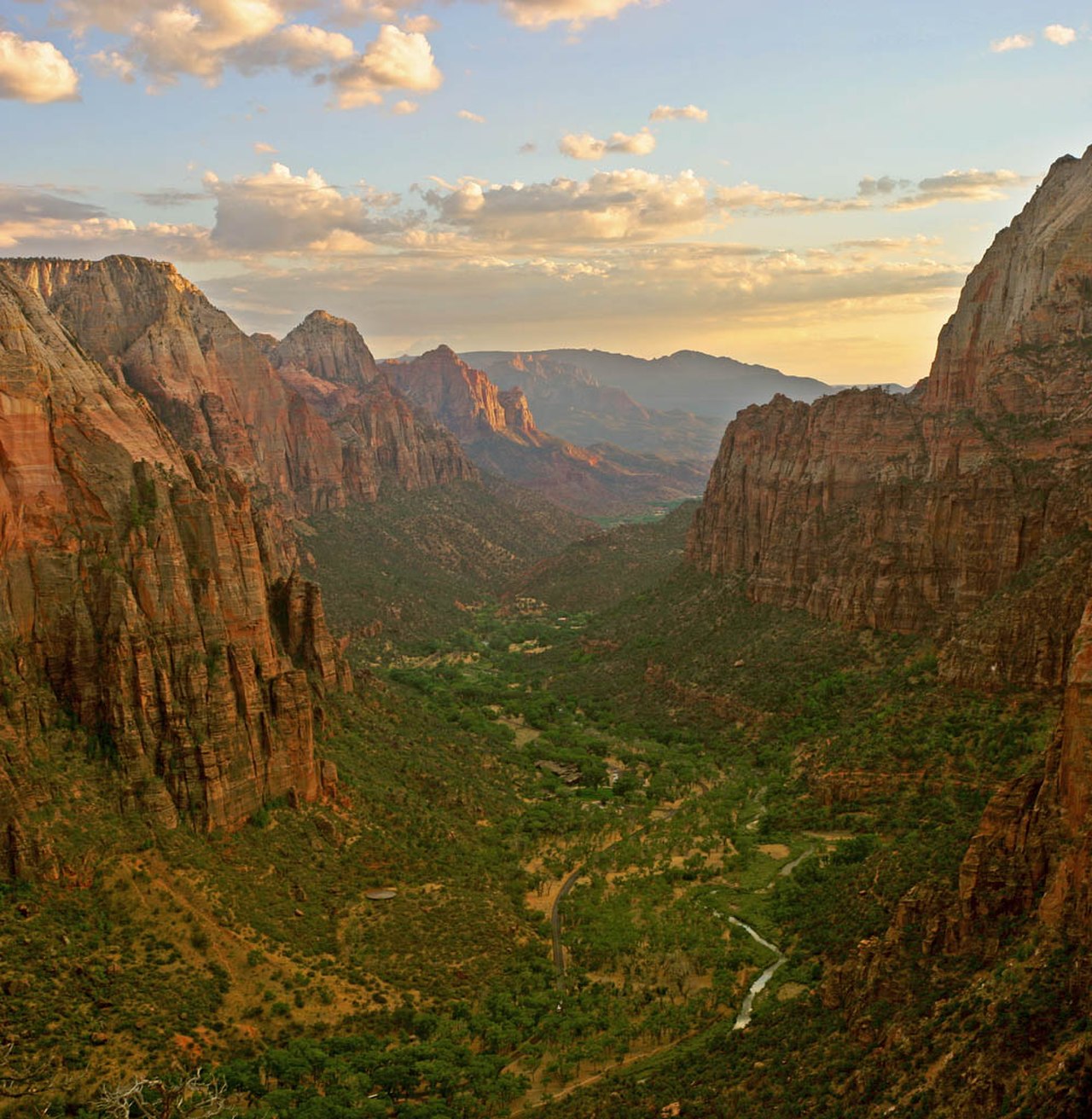
Utah is the 13th-largest US state by area (219,887 km²) and 30th-most-populous (3.4 million people). The state's defining geographic feature is its dramatic red-rock canyon country in the south, contrasting with the snow-covered Wasatch Mountains in the north (home to some of North America's best skiing). Utah holds the famous "Mighty Five" national parks — Zion, Bryce Canyon, Capitol Reef, Arches, and Canyonlands — all clustered within a 6-hour drive, making Utah's national park concentration among the world's highest. The state also holds Monument Valley (the iconic Navajo Tribal Park with the famous mesas, technically in Arizona but accessed via Utah), Lake Powell (the famous Glen Canyon reservoir), and the Bonneville Salt Flats (the famous land-speed-record location). Salt Lake City is the capital (200,000 city residents, 1.3 million metropolitan area) and the world headquarters of the Church of Jesus Christ of Latter-day Saints (Mormons), with 62% of state residents being LDS members. The famous Wasatch Range east of Salt Lake holds Park City (the famous Olympic Winter Games host for the 2002 Salt Lake Games, with Sundance Film Festival each January), Deer Valley (the famous luxury ski resort, the only US ski area without snowboard access), Alta and Snowbird (the famous powder skiing destinations), and Solitude/Brighton. Climate is high-desert continental — hot dry summers in the southern red rock country, cold snowy winters in the Wasatch Range; the south is at 1,200-2,400 m elevation, dramatic temperature swings between day and night.
Quick verdict
Best for the Mighty Five national parks: Mid-April-May and September-October.
Best for skiing (Park City, Deer Valley, Alta, Snowbird, Solitude): Mid-December-early April.
Best for Sundance Film Festival: Late January-early February (10 days in Park City).
Best for Lake Powell: May-September.
Best for Salt Lake City: Late April-October.
Best for Bonneville Salt Flats Speed Week (land-speed records): Mid-August.
Best for budget travelers: Late March and November.
Avoid if you can: Mighty Five in July-August (extreme heat with Zion and Arches commonly 38-42 °C); Sundance Film Festival period without 6-12 months advance booking; Angels Landing or The Subway permits without lottery success; Mighty Five high-season weekends without entrance reservations where required.
Mighty Five — park-specific timing
Zion National Park: Best March-May and October-November. Daytime in shoulder seasons 18-25 °C (vs. 35-40 °C in July-August). The famous Angels Landing now requires permit lottery (apply ahead of season; daily walk-in tickets sometimes available). The famous Narrows wading in the Virgin River works best June-October when water levels are safe. Zion Shuttle (mandatory March-November on Zion Canyon Scenic Drive) provides access; private vehicles can use only the Mt. Carmel-Zion-Mt. Carmel Highway.
Bryce Canyon National Park: At 2,400-2,700 m elevation, much cooler than other Mighty Five. Summer daytime 18-25 °C; winter brings snow-covered hoodoos (the famous orange-red rock spires) providing unique photography. Best for hiking June-September; winter offers extraordinary photography but limited access.
Arches National Park: Best March-May and October-early November. Summer extreme heat (38-42 °C) makes outdoor hiking dangerous. The famous Delicate Arch (Utah's icon, appearing on the state license plate) requires the famous 4.8 km round-trip hike to view up close. Reservation system now applies April-October — book timed-entry tickets months ahead.
Canyonlands National Park: Same shoulder windows as Arches. The famous Island in the Sky district provides easier access; the famous Needles and Maze districts require more time and 4WD vehicles.
Capitol Reef National Park: Most temperate of the Mighty Five. April-November all work. The famous Capitol Gorge, the famous Hickman Bridge hike, and the famous historic Fruita pioneer settlement with the famous fruit orchards (where visitors can pick cherries June, apricots July, peaches August, apples September-October) provide variety.
Shoulder seasons (mid-April-May, September-October) — Utah's national park peak
Utah at its quality peak for red rock country. Daytime in Zion 18-25 °C; Arches and Canyonlands 18-26 °C; Bryce 5-18 °C (cooler at altitude); overnight lows widely variable from 5-15 °C; clear weather typical; the famous "golden hour" light reaches photographic peak — extraordinary red rock photography in early morning and late afternoon.
The famous "Mighty Five road trip" — typically 7-10 days connecting all five parks via the famous "Grand Circle" route — provides Utah's defining tourism experience. Best done in shoulder seasons; book accommodation 3-6 months ahead. The famous Zion-Bryce Canyon-Capitol Reef-Arches-Canyonlands rotation typically uses Springdale (Zion), Bryce Canyon City, Torrey (Capitol Reef), and Moab (Arches and Canyonlands) as base towns.
The famous Highway 12 (Bryce to Capitol Reef via Boulder, Escalante, and Grand Staircase-Escalante National Monument) provides one of the most scenic drives in the US — over the famous Hogback ridge with views to Capitol Reef. The famous Cedar Breaks National Monument near Cedar City provides a smaller alternative to Bryce.
Monument Valley (technically on the Arizona side of the Utah border, but accessed via Utah's southeastern corner — about 4 hours from Moab) provides the iconic Western landscape that John Ford famously made the backdrop for his Western films. The famous Monument Valley Tribal Park (Navajo Nation) operates the famous scenic drive with stops at the famous mittens and Hub.
Skiing (mid-December-early April)
The Wasatch Range provides what Utah famously trademarks as "The Greatest Snow on Earth" — the high-altitude moisture pattern produces extraordinary powder snow with low water content (legendary for skiers). The famous "Wasatch Powder" attracts global skiers.
Park City and surrounding resorts host major skiing. Park City Mountain Resort (the largest single ski area in the US at 7,300+ acres after the famous 2015 merger of Park City and Canyons resorts) provides extensive terrain. Deer Valley (the famous luxury resort, the only US ski area without snowboard access, with rigorous limits on daily lift tickets to maintain quality) provides premium skiing. The famous Alta and Snowbird (in Little Cottonwood Canyon) provide world-renowned powder skiing — Alta is famously skier-only (no snowboards). Solitude and Brighton (in Big Cottonwood Canyon) provide locally beloved alternatives. The famous "Ski City" Salt Lake area provides access to 4 resorts within 1 hour of downtown.
The famous Sundance Film Festival (late January-early February, 10 days in Park City) is the largest independent film festival in the US and one of the world's most prestigious. The festival has launched dozens of major films and careers; the famous "Sundance" associations attract major Hollywood industry presence each January. Hotel rates triple during festival weeks; book 6-12 months ahead.
Summer (June-August) — extreme red rock heat
Utah at its most extreme weather contrast. Zion, Arches, and Canyonlands reach 35-42 °C daytime with occasional 45 °C heatwaves. Bryce Canyon (at 2,500 m) and the Wasatch Range stay comfortable (15-25 °C). Lake Powell becomes essential summer recreation — the famous Glen Canyon reservoir (the second-largest US man-made lake) provides extensive houseboating, swimming, and the famous Rainbow Bridge National Monument (the world's largest natural bridge) boat access.
The famous Bonneville Salt Flats Speed Week (mid-August) provides Utah's most distinctive summer cultural event. The famous flat salt expanse west of Salt Lake City has been used for land-speed record attempts since the early 20th century — the famous Wendover Speedway hosts vehicles attempting world records.
Cultural and practical notes
English is the primary language. US Dollar is the currency. Tipping 18-22%. Driving on the right side. Utah has unique alcohol laws (3.2% beer at most retailers; stronger drinks at state-licensed stores; some areas have famously strict liquor licensing). The famous Mormon (LDS Church) cultural presence is strong — coffee, alcohol, and tobacco are religiously prohibited for observant Mormons, affecting some local business culture. National park fees apply ($35/vehicle for 7 days, or America the Beautiful pass $80 annual for all NPS sites).
Practical considerations
Salt Lake City International Airport (SLC) is the main aviation hub. St. George Regional Airport (SGU) provides limited southern Utah access. Las Vegas Harry Reid (LAS, 3 hours southwest) and Denver International (DEN, 6 hours east) provide major international alternatives. Internal travel by rental car essential. The famous "Grand Circle" road trip (typically Zion-Bryce-Capitol Reef-Arches-Canyonlands plus Grand Canyon North Rim if interested) requires 7-14 days.
Festivals & cultural events
Sundance Film Festival (Park City, late January-early February): Premier independent film festival.
Bonneville Salt Flats Speed Week (mid-August): Major land-speed record event.
Pioneer Day (July 24): Utah state holiday commemorating Mormon pioneers entering Salt Lake Valley in 1847.
Utah Shakespeare Festival (Cedar City, June-October): Major regional theater festival.
Park City Food & Wine Classic (mid-July): Major culinary event.
Salt Lake City Marathon (April): Major running event.
Salt Lake City Pride (early June): Major LGBTQ+ celebration.
Holi celebrations at Krishna Temple in Spanish Fork (March): The largest Holi celebration in the Western Hemisphere.
Utah Arts Festival (Salt Lake City, June): Major regional arts event.
Traveler-type advice
National park travelers (Mighty Five): Mid-April-May and September-October.
Skiers: Mid-December-early April.
Sundance Film Festival travelers: Late January-early February.
Photographers: Shoulder seasons for red rock; January-February for snow-covered hoodoos at Bryce; winter for snowy Wasatch.
Adventure travelers (rafting, canyoneering, mountain biking): April-October.
Family travelers: Late May-early June and September.
Lake Powell travelers: May-September.
Cultural travelers (Salt Lake LDS heritage): Year-round; Temple Square always accessible.
Budget travelers: Late March and November.
Combined Southwest US travelers: Utah + Arizona + Nevada + Colorado for famous Grand Circle April-May and September-October.
Bottom line
Utah rewards mid-April-May and September-October visits decisively for the famous Mighty Five national park experience. Mid-December-early April provides world-class skiing at Park City, Deer Valley, Alta, Snowbird, and Salt Lake City Cottonwood Canyon resorts. The state's national park concentration is among the world's highest — allow 7-10 days for the famous "Grand Circle" Mighty Five circuit; longer for adding Lake Powell, Monument Valley, or Grand Canyon extensions.