
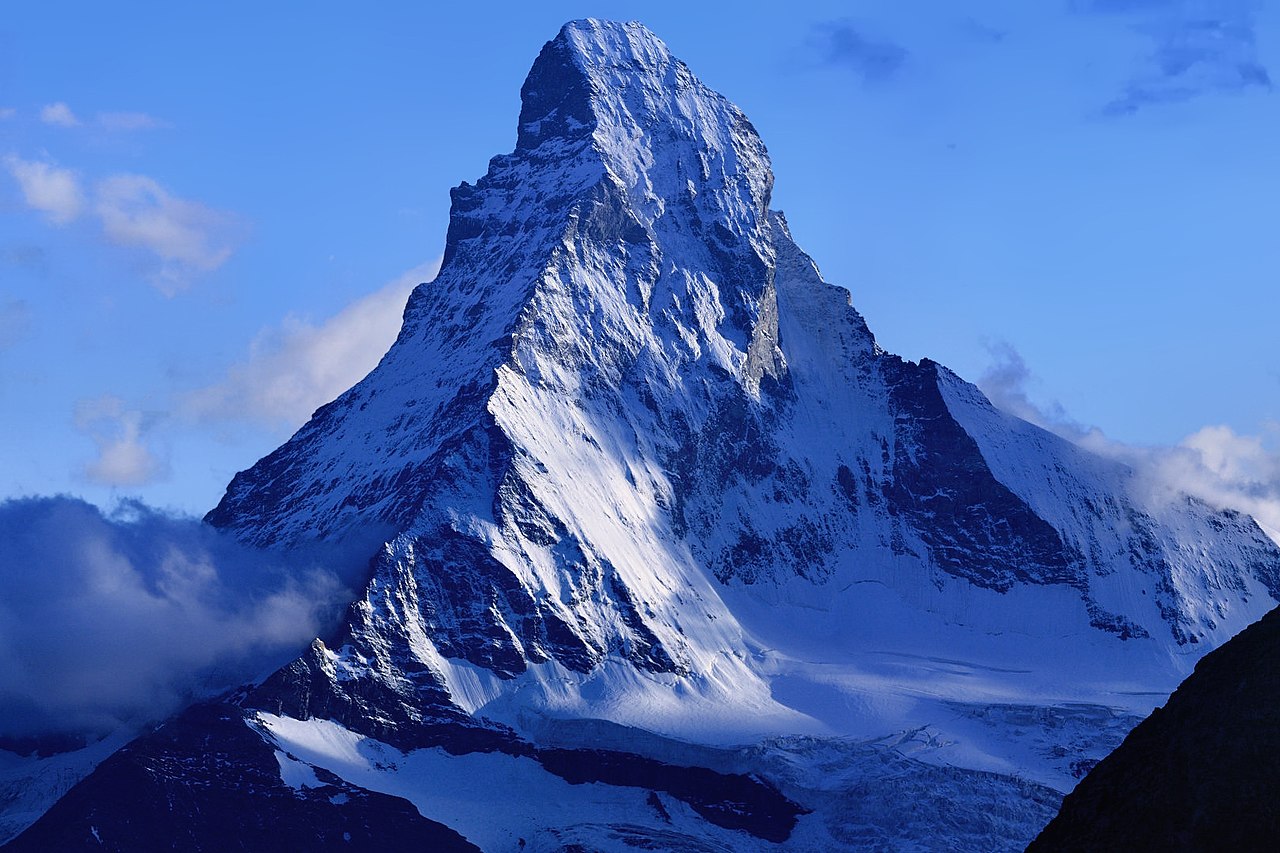
Switzerland has a temperate-to-alpine climate where weather is governed by altitude more than latitude: lowland valleys reach around 28°C (82°F) in summer, while high mountain stations stay near or below freezing even in July, and annual rainfall ranges from about 600 mm in the dry Valais to over 2,000 mm on the northern Alpine slopes. For travellers, the practical answer is simple: visit June to September for hiking, lakes and scenery, or December to April for snow and skiing.
Why Altitude Rules the Swiss Weather
Switzerland is small, but its weather behaves like several countries stacked on top of one another. The reason is elevation. Temperature falls by roughly 6°C for every 1,000 metres you climb, so a 25°C afternoon in Zurich (about 400 m) becomes a chilly 10°C at the Jungfraujoch (3,463 m), where conditions resemble the Arctic year-round. This vertical layering means you can leave a warm lakeside town in shorts and stand in snow an hour later by train or cable car.
Three broad zones result. The Swiss Plateau between the Jura and the Alps — home to Zurich, Bern, Geneva and Basel — has a mild, temperate climate fed by Atlantic air. The Alps themselves create true alpine conditions above roughly 1,500 m, with long snowy winters and short cool summers. South of the main ridge, the canton of Ticino enjoys a Mediterranean-influenced climate warm enough for palm trees, fig and kiwi cultivation around Lugano and Locarno.
The Four Seasons
Each season has a distinct character on the plateau, with mountain conditions running cooler and longer:
- Summer (June–August): Warm and pleasant in the valleys, typically 18–28°C, ideal for swimming in the famously clean lakes. Afternoon thunderstorms are common in the mountains.
- Autumn (September–October): Cooling to 8–18°C, with golden larch forests, grape harvests and clearer mountain views once summer haze fades.
- Winter (December–February): Lowlands sit around -2 to 5°C; high resorts can drop below -15°C. Snow blankets the Alps, while plateau cities often endure grey fog.
- Spring (March–May): A gradual thaw of 5–18°C brings wildflower meadows, roaring snowmelt waterfalls and lower prices.
The Swiss capital Bern and nearby Zurich average about 9°C across the year, a figure that disguises the wide swing between a frosty January and a warm July. Snow cover on the plateau has become less reliable over recent decades, but reliable powder still arrives above 1,500 m from roughly December to April.
Rainfall, Sunshine and the Föhn
Switzerland is generally well watered. Zurich receives around 1,050 mm of precipitation a year, while the northern Alpine slopes catch 2,000 mm or more as moist air is forced upward and squeezed dry. The notable exception is the Valais, the inner Rhône valley, which sits in a rain shadow and gets only about 600 mm annually — dry enough to support some of the country's best vineyards and even irrigation channels called bisses.
One uniquely Swiss feature is the Föhn, a warm, dry wind that descends the leeward side of the Alps after dumping its moisture on the windward slopes. The Föhn can lift temperatures by 15°C in a matter of hours, melt snow rapidly and deliver crystal-clear views of distant peaks. It is so woven into Swiss life that the sluggishness and headaches some people feel during Föhn conditions are widely acknowledged as a genuine weather effect.
Sunshine varies sharply too. Ticino and the Valais are the sunniest regions, while the plateau can spend weeks under low winter cloud known as the Hochnebel — which is precisely why locals escape upward, emerging above the fog into brilliant alpine sunshine.
Best Time to Visit Switzerland
The right month depends entirely on what you want to do:
- Hiking and alpine scenery: June to September, when trails, mountain railways and high passes are open and snow-free.
- Skiing and snowboarding: December to April across more than 200 resorts; Zermatt and Saas-Fee even offer glacier skiing in summer.
- Lake cruises and city breaks: May to September, with long warm evenings on the water.
- Christmas markets: Late November to December in Basel, Zurich, Montreux and Lucerne.
July and August deliver the warmest, most settled weather but also the highest prices and busiest trains. September and the May–June shoulder season reward visitors with thinner crowds, gentler prices and dramatic scenery — wildflowers in late spring, autumn colour in early autumn. October can be foggy in the lowlands yet glorious above the cloud line. For a deeper country overview, see our switzerland country guide.
A Changing Alpine Climate
Switzerland is warming faster than the global average, and its glaciers — once numbering well over a thousand — are retreating sharply, losing a substantial share of their volume in recent decades. This affects everything from summer river flows to the long-term reliability of low-altitude ski runs, pushing winter tourism steadily higher up the mountains. The trend is one reason spring and autumn travel windows are widening while traditional snow-sure months grow shorter at lower resorts.
Frequently Asked Questions
Does it snow everywhere in Switzerland?
Snow falls across the whole country in winter, but it is far more reliable in the mountains. Plateau cities like Zurich and Geneva may see only a few days of lying snow, whereas resorts above 1,500 m enjoy dependable cover from December to April.
What is the warmest part of Switzerland?
The canton of Ticino in the south, especially the lakeshore towns of Lugano and Locarno, is the warmest and sunniest region. Its Mediterranean-influenced climate supports palm trees, citrus and subtropical gardens unusual for the Alps.
When is the cheapest time to visit Switzerland?
The shoulder seasons — roughly late April to early June and again in October and November — offer the lowest prices, outside school holidays and the peak ski and summer-hiking windows.
Is Switzerland rainy?
It is moderately wet, with most places receiving 1,000–2,000 mm a year and the heaviest rain on the northern Alpine slopes. The Valais is the clear exception, staying dry at around 600 mm thanks to its sheltered position.