
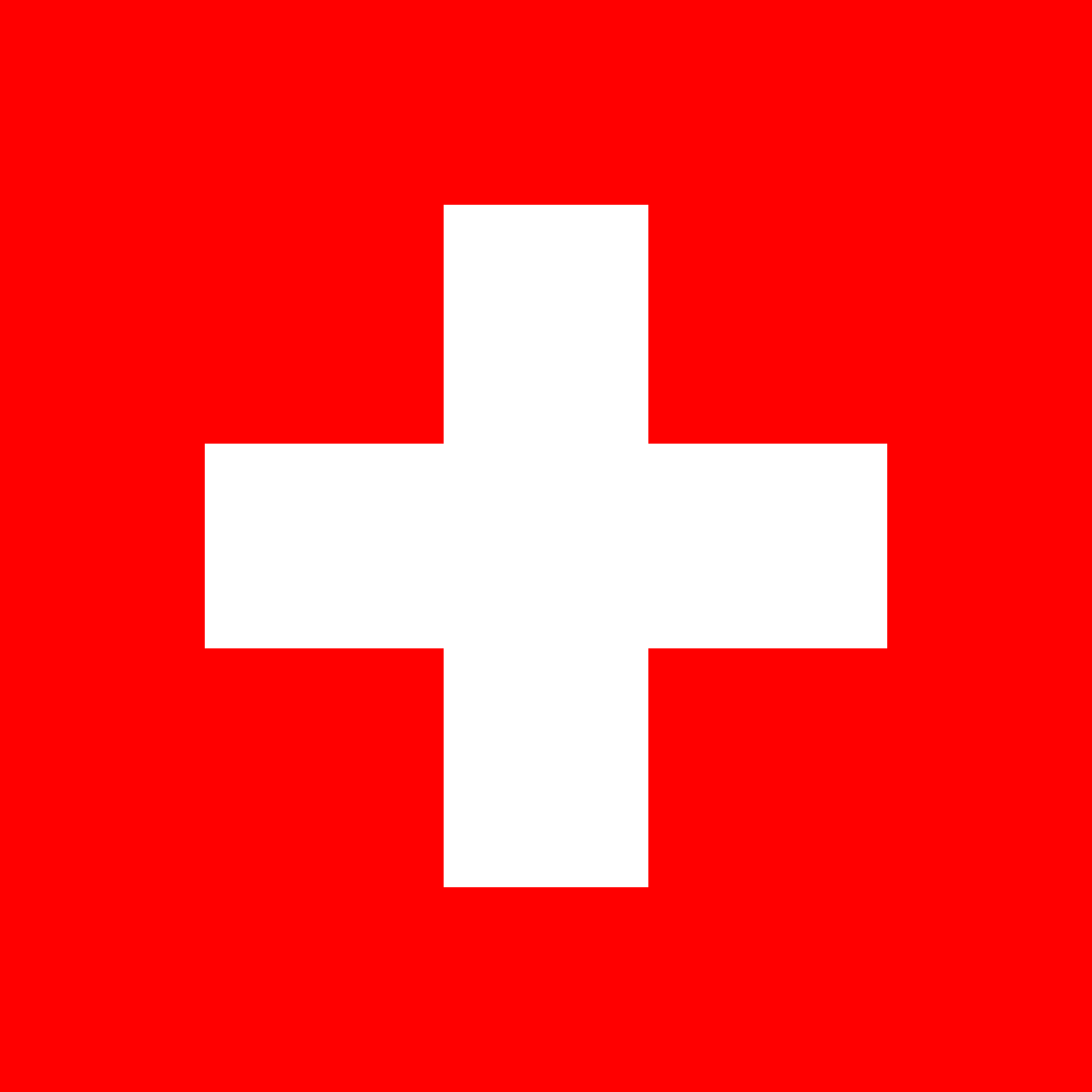
Few national emblems are as instantly recognizable as the bold white cross of Switzerland set against a field of vivid red. It is a flag that breaks the rules in the best way: it is square rather than rectangular, it carries no stripes or stars, and its cross floats freely without touching any edge. From mountain chalets to luxury watch dials, from pocket knives to humanitarian missions, this simple shape has become shorthand for quality, calm, and a particular kind of European steadiness. Yet behind that clean geometry lies a story stretching back to medieval battlefields and the very founding of one of the world's oldest confederations.
A Flag That Refuses to Be a Rectangle
The first thing most people notice about the Swiss flag is its shape. Almost every other country in the world flies a rectangular banner, but Switzerland uses a perfect square, with equal sides expressed as a 1:1 ratio. It shares this distinction with only one other sovereign state on Earth: Vatican City. That square format is not a quirk added for novelty. It echoes the war banners and standards carried by Swiss forces in the late Middle Ages, when square and near-square cloths were common on the battlefield. Keeping the square shape into the modern era was, in effect, a way of preserving a piece of military and civic heritage in everyday cloth.
The design itself is austere and confident. A bold equilateral white cross sits at the dead center of a bright red field, and crucially, the arms of the cross stop short of the borders, leaving a clean red margin all the way around. Each arm of the cross is the same length, and by official specification each arm is one-sixth longer than it is wide, giving the cross a slightly chunky, grounded feel rather than a thin, delicate one.
Just Two Colors, Heavy With Meaning
There is no shading, no gradient, and no third hue to complicate things. The Swiss flag relies entirely on red and white, and that restraint is part of its power. The red is a specific, saturated shade, frequently matched to Pantone 485, a warm and assertive scarlet that reads clearly from a distance and photographs beautifully against snow and stone.
The symbolism layered onto these two colors is deeply rooted in faith and sacrifice. The white cross has long been read as a Christian emblem and a sign of the unity binding the Swiss Confederation together. The red background traditionally represents the blood of Christ and, by extension, the blood shed in defense of faith and freedom. Over the centuries those religious meanings have broadened into something more civic, with the cross also coming to stand for neutrality and peace, two ideas that have defined Switzerland's place in the world for generations.
From a Cantonal Banner to a National Symbol
The flag's lineage runs back to 1291 and the birth of the Swiss Confederation, formed by three founding cantons. One of them, Canton Schwyz, used a red banner, and Schwyz also lent its name to the country itself. The familiar white cross on red was carried into battle by Swiss soldiers and mercenaries during the 14th century, and the Battle of Laupen in 1339 is often cited as a key moment when the white cross served as a unifying field sign for confederate troops.
For a long time the cross was a battlefield and military marking rather than a single, codified national flag. As the loose confederation gradually consolidated into the modern federal state, the need for one standardized emblem grew. The square red flag with its white cross was finally and officially adopted as the national flag on December 12, 1889, fixing in law a symbol that had already been in use, in various forms, for more than five centuries.
The Cross That Inspired the Red Cross
Among the flags of the world, Switzerland's stands somewhat apart precisely because it is so minimal, but it does have meaningful relatives. The most famous is not another national flag at all but the emblem of a global institution: the Red Cross. Established in 1863, the Red Cross movement chose its symbol by reversing the Swiss colors, a red cross on a white field, as a tribute to the country where the organization was founded. It is a rare case of a humanitarian symbol being born directly from a national flag.
The other obvious comparison is Vatican City, the world's only other square flag, though the two share little beyond their unusual proportions; the Vatican's banner is gold and white with papal insignia. Scandinavian flags also feature off-center crosses, but those are rectangular and use the elongated "Nordic cross" shape that reaches the edges, which makes the centered, free-floating Swiss cross feel quite distinct by comparison. If you want to understand how this emblem fits into the wider story of the nation, our switzerland country guide places the flag alongside the geography and culture that shaped it.
Quality, Neutrality, and National Identity
Inside Switzerland, the flag is a compact statement of independence, neutrality, and direct democracy. It signals a national character built on reliability and precision, qualities the country has actively cultivated and exported. Around the world, the white cross has become a kind of trust mark. It appears, in cross or flag form, in the branding of companies such as Victorinox, Swatch, and Swiss International Air Lines, where it quietly promises craftsmanship and dependability.
The flag also lives comfortably alongside local identity. Switzerland's federal structure means every municipality can fly the national flag together with its own cantonal banner, so a single village square may display the white cross beside a centuries-old regional coat of arms. That layering captures something essential about the country: a strong shared identity that still leaves ample room for local pride.
The Flag in Everyday and Festive Life
The most prominent moment for the Swiss flag is National Day on August 1, when it appears on buildings, balconies, and hillsides, often accompanied by bonfires and fireworks. Beyond that single date, the cross is woven into daily life, particularly in Alpine and tourist regions where it adorns everything from cable cars to souvenir shops.
One practical detail worth knowing: while the national flag is square, the Swiss civil ensign flown by merchant ships uses a more conventional 2:3 rectangular ratio. A square flag is awkward at sea, so the maritime version stretches the same red-and-white design into a shape better suited to flagstaffs and rigging.
- Switzerland is one of only two countries on Earth with a square national flag, the other being Vatican City.
- The Red Cross emblem is simply the Swiss flag with its colors reversed, honoring Switzerland's founding role in the organization.
- The white cross has served as a Swiss symbol since at least the Battle of Laupen in 1339.
- Each arm of the cross is one-sixth longer than it is wide, and none of the arms touch the flag's edges.
- The merchant marine version of the flag is rectangular (2:3), unlike the square national flag.
Frequently Asked Questions
When was the Swiss flag officially adopted?
The square red flag with the white cross was officially adopted as Switzerland's national flag on December 12, 1889, although the white cross had been used as a Swiss symbol for centuries before that, with origins reaching back to the medieval confederation and the Battle of Laupen in 1339.
What do the colors of the Swiss flag mean?
The white cross represents Christianity and the unity of the Swiss Confederation, while the red field traditionally symbolizes the blood of Christ and the blood shed in defense of faith and freedom. Together the colors have also come to stand for neutrality and peace.
Why is the Swiss flag square?
The square shape preserves the proportions of medieval Swiss war banners and standards. Switzerland is one of only two countries with a square national flag, the other being Vatican City. The civil ensign used on merchant ships, however, adopts a standard 2:3 rectangular ratio for practicality at sea.
What continent is Switzerland on, and how does its flag compare to similar ones?
Switzerland is located in Europe. Its flag is most closely related to the Red Cross emblem, which is the same design with reversed colors, and it shares its rare square format with Vatican City. It differs from Scandinavian flags, which use rectangular shapes and elongated crosses that extend to the edges rather than a centered, free-floating cross.