
Introduction
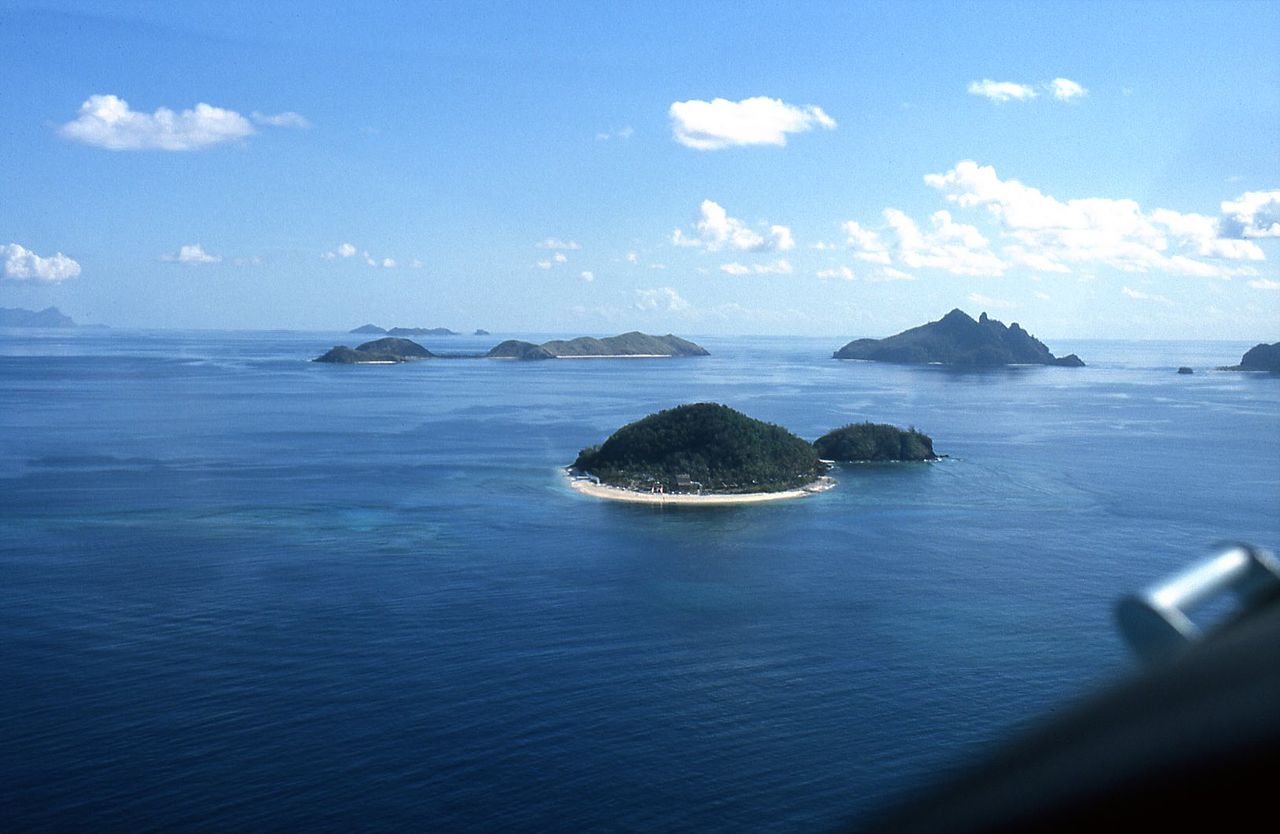
Fiji is an archipelago of more than 330 islands scattered across 1.3 million km² of the South Pacific Ocean, about two-thirds of the way from Hawaii to New Zealand. The two largest islands, Viti Levu and Vanua Levu, are mountainous volcanic islands that account for over 85% of the total land area, while the remaining islands range from raised limestone platforms to low-lying coral atolls.
Fiji occupies a unique geographic position at the meeting point of Melanesian and Polynesian cultures, reflected in its diverse population and traditions. The nation's warm tropical climate, stunning coral reefs, and welcoming culture encapsulated in the greeting "Bula!" have made it one of the South Pacific's most popular destinations.

Geography & Geology
- Total Islands: 332 (110 inhabited)
- Total Land Area: 18,274 km²
- Largest Island: Viti Levu (10,388 km²)
- Highest Point: Mount Tomanivi (1,324 m)
Fiji's islands are predominantly volcanic in origin, formed by the subduction of the Pacific Plate beneath the Australian Plate. The larger islands of Viti Levu and Vanua Levu have rugged mountain interiors with peaks reaching over 1,000 meters, deeply incised river valleys, and coastal plains. Smaller islands are a mix of volcanic remnants, raised coral platforms, and classic coral atolls.
The Great Astrolabe Reef off Kadavu Island is one of the largest barrier reefs in the world, stretching over 100 km. Fiji sits in a geologically active zone, though volcanic activity has been dormant on the main islands for thousands of years. The islands are, however, vulnerable to earthquakes and occasional tsunamis from Pacific Rim activity.
Climate & Ecosystems
- Climate: Tropical oceanic
- Wet Season: November-April (cyclone season)
- Dry Season: May-October
- Annual Rainfall: 2,000-3,000 mm (windward), 1,500 mm (leeward)
Fiji has a warm tropical climate with temperatures ranging from 22 to 33 degrees Celsius year-round. The larger islands create rain shadow effects, with the eastern (windward) sides receiving significantly more rainfall than the western (leeward) sides. The wet season from November to April coincides with cyclone season, and Fiji is occasionally struck by severe tropical cyclones.
The islands support a variety of ecosystems from tropical rainforest in the humid interior highlands to mangrove forests along the coast, grassland savannas in the rain shadow zones, and extensive coral reef systems. Fiji's tropical dry forests on the leeward sides of the larger islands are critically endangered, with less than 1% of their original extent remaining.
Wildlife & Biodiversity
- Endemic Bird Species: ~27
- Fiji Crested Iguana: Critically endangered endemic
- Coral Species: Over 390
- Marine Species: Over 1,500 fish species
Fiji's marine biodiversity is exceptional. The Fiji Barrier Reef is the third largest in the world, and the nutrient-rich waters where the warm South Equatorial Current meets cooler deep ocean water create ideal conditions for coral growth. Over 390 species of coral and 1,500 species of fish have been recorded, along with sharks, rays, sea turtles, and marine mammals.
Terrestrial biodiversity, while less spectacular, includes notable endemics like the Fiji crested iguana, one of the most striking and endangered reptiles in the Pacific. The Fiji banded iguana and several species of endemic birds, including the orange dove and the silktail, are found nowhere else. The Sovi Basin on Viti Levu is the largest remaining area of lowland rainforest in Fiji.
Culture & History
- Population: ~900,000
- Ethnic Groups: iTaukei (indigenous Fijian), Indo-Fijian
- Languages: Fijian, Hindi, English (all official)
- Settlement: ~3,500 years ago by Lapita people
Fiji was first settled by the Lapita people approximately 3,500 years ago. These Austronesian seafarers developed a complex chieftainship system and were skilled potters, navigators, and warriors. Traditional Fijian culture centers on the village, the chief, and the ceremonial drinking of yaqona (kava), a mildly sedative drink made from the root of the pepper plant.
Fiji's population is ethnically diverse, with indigenous Fijians (iTaukei) making up about 57% and Indo-Fijians, descendants of indentured laborers brought by the British in the 19th century, making up about 37%. This cultural mix has created a unique society with influences from Melanesian, Polynesian, Indian, Chinese, and European traditions reflected in its cuisine, festivals, and daily life.
Key Facts
- Fiji comprises 332 islands, of which 110 are permanently inhabited.
- The Great Astrolabe Reef off Kadavu is one of the largest barrier reefs in the world.
- Fiji sits at the cultural crossroads of Melanesia and Polynesia in the South Pacific.
- Viti Levu accounts for over half the total land area and houses about 70% of the population.
- The archipelago spans 1.3 million km² of ocean, though total land area is only 18,274 km².
Fun Facts
- Fiji is one of the first places in the world to see the new day, sitting just west of the International Date Line.
- Traditional Fijian firewalking ceremonies on Beqa Island involve walking across white-hot stones.
- Fiji's rugby sevens team won the country's first Olympic gold medal in 2016, and the event was declared a national holiday.
- The Fijian word "Bula" is used as a universal greeting and literally means "life."
Final Thoughts
Fiji is the jewel of the South Pacific, where volcanic mountains meet pristine coral reefs and ancient Melanesian traditions blend with influences from across the globe. Its exceptional marine biodiversity and warm cultural traditions make it one of the most compelling archipelagos in the world.