

Introduction
Iceland is a geologically young island in the North Atlantic, perched directly on the Mid-Atlantic Ridge where the Eurasian and North American tectonic plates diverge. This unique position makes it one of the most volcanically active places on Earth, with over 30 active volcanic systems and frequent eruptions that reshape the landscape.
Despite its name, Iceland is far more than ice. The island is a study in contrasts: massive glaciers sit atop active volcanoes, hot springs steam next to frozen rivers, and lush green valleys border black lava deserts. Nearly 100% of the country's electricity comes from renewable geothermal and hydroelectric sources, making it a global leader in clean energy.
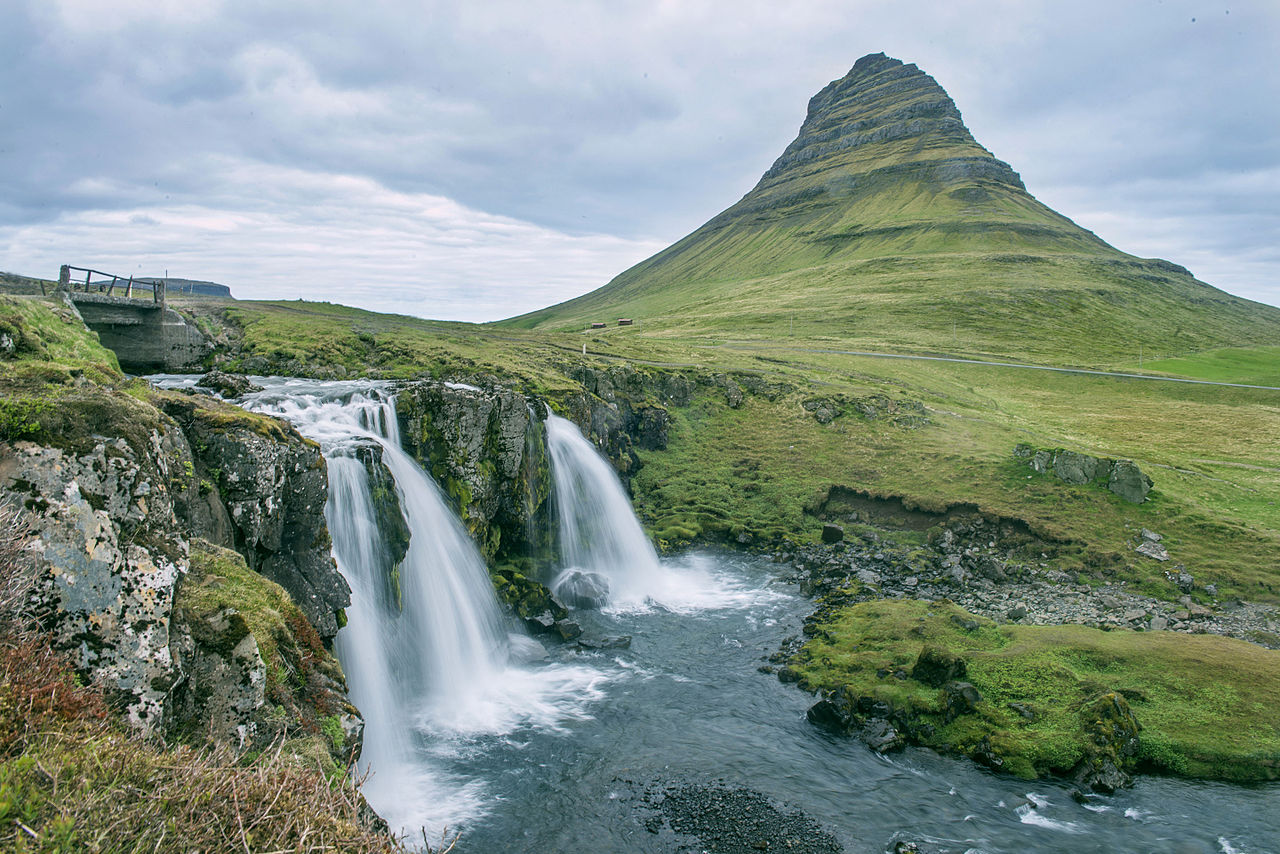
Geography & Geology
- Area: 103,000 km²
- Highest Point: Hvannadalshnjukur (2,110 m)
- Active Volcanic Systems: 30+
- Glaciers Cover: ~11% of land area
Iceland is the only place on Earth where the Mid-Atlantic Ridge rises above sea level, making it a living geology textbook. The island is essentially a large volcanic plateau, built up over 16-18 million years of volcanic activity. The rift zone running through the center of the island is where the two tectonic plates separate at a rate of about 2.5 cm per year.
Vatnajokull, Europe's largest glacier by volume, covers over 8,000 km² and conceals several active volcanoes beneath its ice cap. The interaction between volcanic heat and glacial ice creates catastrophic glacial outburst floods called jokulhlaups, which can release millions of tons of water in a matter of hours.
Climate & Ecosystems
- Average Temperature (Reykjavik): 1 to 12 degrees C
- Gulf Stream Influence: Keeps climate milder than latitude suggests
- Daylight (Summer): ~24 hours
- Daylight (Winter): ~4-5 hours
Despite lying just below the Arctic Circle, Iceland's climate is moderated by the North Atlantic Current, a branch of the Gulf Stream. Winters are milder than in comparable latitudes, though storms and high winds are frequent. Summers are cool with nearly continuous daylight from May through July.
Iceland's ecosystems are shaped by its volcanic soil, harsh climate, and geographic isolation. Less than 2% of the island is forested today, though birch woodlands were more extensive before Viking settlement. The barren highland interior, known as the Central Highlands, is one of the largest uninhabited areas in Europe and resembles a moonscape.
Wildlife & Biodiversity
- Puffin Population: ~8-10 million (largest colony in the world)
- Native Land Mammal: Arctic fox (only native)
- Whale Species: Over 20 species in surrounding waters
- Bird Species: ~330 recorded
Iceland's isolation means it has very few native land mammals; the Arctic fox is the only one that arrived naturally, likely crossing ice bridges during the last Ice Age. The waters surrounding Iceland, however, are among the richest marine ecosystems in the North Atlantic, supporting large populations of whales, seals, and seabirds.
The island is one of the world's most important seabird breeding grounds. Atlantic puffins nest in enormous colonies along the cliffs, with Vestmannaeyjar (Westman Islands) hosting one of the largest puffin colonies on Earth. Humpback whales, minke whales, and orcas are commonly spotted in Icelandic waters, particularly in Husavik Bay.
Culture & History
- Population: ~380,000
- Settlement: 874 AD by Norse Vikings
- Language: Icelandic (closest to Old Norse)
- Parliament: Althingi (established 930 AD)
Iceland was one of the last large islands settled by humans. Norse Vikings arrived around 874 AD, and in 930 AD they established the Althingi at Thingvellir, one of the world's oldest parliamentary assemblies. The medieval Icelandic sagas, written in the 13th century, remain some of the finest works of medieval literature.
Modern Icelandic has changed remarkably little from Old Norse, meaning Icelanders can still read their medieval sagas in the original language. The culture maintains strong connections to its Viking heritage, and naming conventions still follow the patronymic system where children take their father's or mother's first name plus "son" or "dottir."
Notable Landmarks
- Thingvellir: UNESCO World Heritage Site, tectonic rift
- Geysir: Original geyser that gave all geysers their name
- Gullfoss: Iconic two-tiered waterfall
- Jokulsarlon: Glacier lagoon with floating icebergs
Thingvellir National Park is where the Althingi was founded and where the visible rift between tectonic plates creates a dramatic canyon landscape. The Golden Circle route connects Thingvellir with Geysir, the original geyser from which all geysers worldwide take their name, and Gullfoss, a spectacular two-tiered waterfall.
Jokulsarlon glacier lagoon on the southeast coast features floating icebergs calved from the retreating Breidamerkurjokull glacier, creating an otherworldly scene. The Westfjords offer some of Europe's most remote and dramatic coastline, while the Snaefellsnes peninsula is crowned by the glacier-capped volcano that inspired Jules Verne's Journey to the Center of the Earth.
Key Facts
- Iceland is the only place where the Mid-Atlantic Ridge is visible above sea level.
- Over 30 active volcanic systems make it one of the most volcanically active islands on Earth.
- Nearly 100% of Iceland's electricity comes from geothermal and hydroelectric renewable sources.
- The Althingi, founded in 930 AD, is one of the oldest parliamentary institutions in the world.
- Vatnajokull glacier covers 8,000 km² and hides several active volcanoes beneath its ice.
Fun Facts
- Iceland has no native reptiles or amphibians due to its isolation and cold climate.
- The word "geyser" comes from Geysir in Iceland, which has been erupting for over 10,000 years.
- There are no mosquitoes in Iceland, making it one of the few habitable places on Earth free of them.
- Icelanders use geothermal energy to heat outdoor swimming pools year-round, even in winter.
Final Thoughts
Iceland is a place where the fundamental forces shaping our planet are on full display. Volcanoes erupt, glaciers carve, and geysers blast in a landscape that feels both primordial and alive, offering visitors and scientists alike a front-row seat to the Earth's geological engine.