
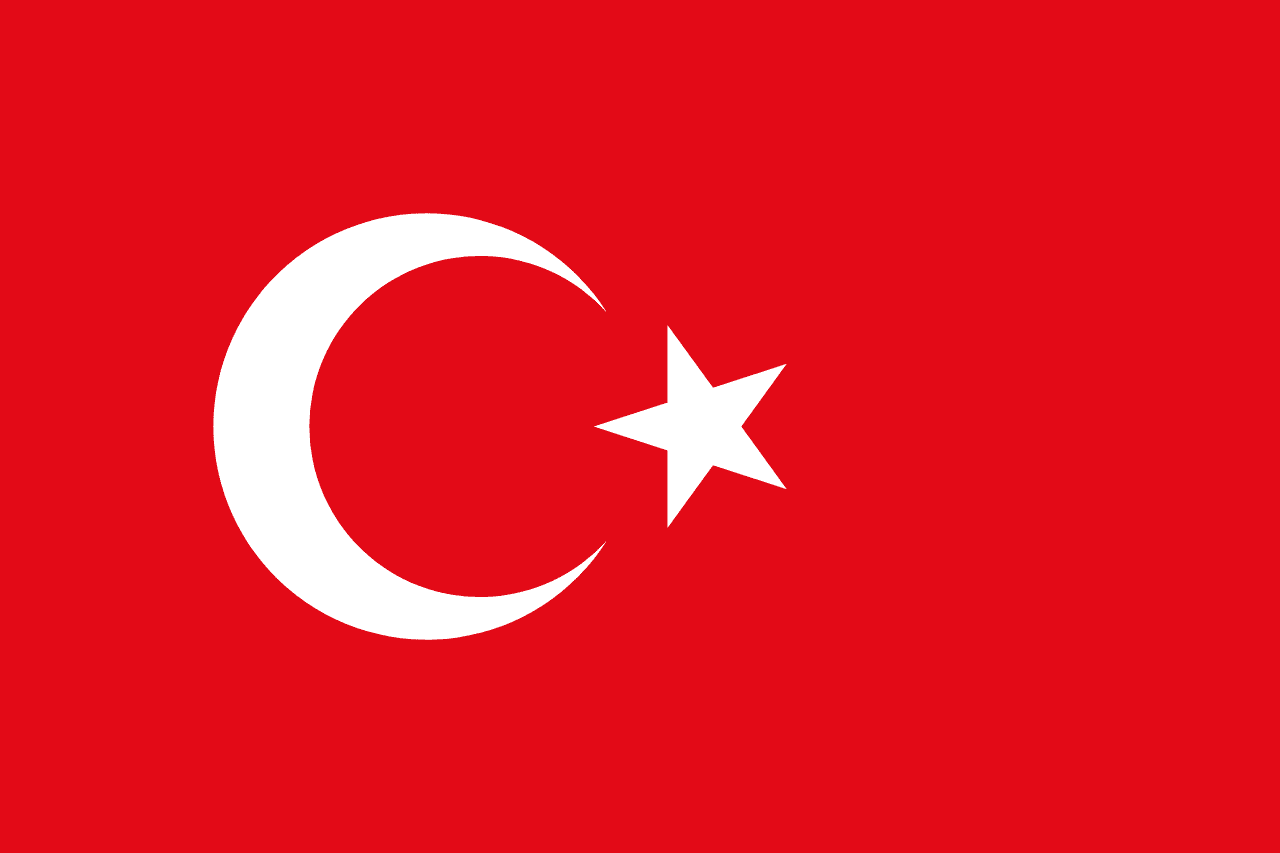
The national sport of Turkey is oil wrestling, known in Turkish as yağlı güreş — a centuries-old grappling discipline in which competitors coat themselves in olive oil before locking together for a test of strength, stamina, and technique. While Turkey has no statute formally naming a national sport, oil wrestling is universally treated as the country's sporting emblem, celebrated each summer at the Kırkpınar tournament, which has been held almost continuously since 1346 and is often cited as the oldest continuously running sporting event in the world.
What Oil Wrestling Actually Is
Oil wrestling pits two competitors, called pehlivans (a word meaning "champion" or "hero"), against each other on a grass field. Before the bout, each wrestler is doused head to toe in olive oil, which makes gripping an opponent enormously difficult and forces athletes to rely on leverage, balance, and clever holds rather than brute force alone. Because the skin is too slippery to grasp, wrestlers traditionally reach inside their opponent's trousers for purchase — one of the sport's most distinctive features.
A match is won when one pehlivan pins his rival or carries him off balance to the ground with the navel facing the sky. In the modern era, time limits and points were introduced to prevent the marathon contests of earlier centuries, some of which reportedly lasted for hours or even a full day before a winner emerged.
The Kırkpınar Tournament
The spiritual home of Turkish oil wrestling is Kırkpınar, held annually near the city of Edirne in the country's European corner. According to legend, the tradition began in the 14th century when two soldiers of the Ottoman army wrestled to a standstill and both died of exhaustion; the spot where they were buried sprang forty fountains, giving the event its name (kırk pınar means "forty springs"). The tournament has run since 1346, making it a rare example of a sporting competition that predates almost every modern league or championship by hundreds of years.
Today Kırkpınar is a multi-day festival drawing thousands of spectators. Wrestlers compete in weight-based and experience-based categories, and the overall winner earns the coveted title of başpehlivan (chief wrestler) along with a golden belt. In 2010, UNESCO inscribed Kırkpınar oil wrestling on its Representative List of the Intangible Cultural Heritage of Humanity, formally recognizing its cultural significance.
Tradition, Dress, and Ritual
The visual identity of the sport is unmistakable. Each pehlivan wears kıspet, hand-stitched trousers made of water-buffalo or calf leather that can weigh more than a dozen kilograms when soaked. Matches open with the peşrev, a rhythmic warm-up walk in which wrestlers slap their thighs and knees, salute the crowd, and pay respect to elders and past champions. A team of drummers and zurna (a reed instrument) players accompanies the action, lending the field the atmosphere of a folk festival as much as an athletic contest.
- Oil: olive oil, poured over the body to neutralize grip
- Trousers: kıspet, made of thick leather and bound at the knee
- Title: başpehlivan, awarded to the grand champion
- Prize: a golden belt and lasting national prestige
Turkey's Wider Sporting Landscape
Although oil wrestling holds the symbolic crown, it is far from the only sport Turks follow passionately. Football is overwhelmingly the most popular spectator sport, with fierce rivalries among Istanbul clubs Galatasaray, Fenerbahçe, and Beşiktaş; Galatasaray famously won the UEFA Cup in 2000, and the national team reached the FIFA World Cup semi-final in 2002. Turkey is also a wrestling powerhouse in the Olympic disciplines of freestyle and Greco-Roman, having won well over thirty Olympic wrestling medals and producing legends such as Yaşar Doğu and Hamza Yerlikaya.
Basketball has surged in recent decades, with the men's national team taking silver at the 2010 FIBA World Championship, which Turkey hosted. Weightlifting, archery, and equestrian sports such as cirit (a traditional javelin-on-horseback game) also feature in the national sporting story, reflecting a culture that blends ancient pastimes with modern competition. For a broader picture of the country's geography and culture, see our turkey country guide.
Frequently Asked Questions
What is the national sport of Turkey?
The national sport of Turkey is oil wrestling (yağlı güreş), an ancient grappling discipline in which oiled competitors wrestle on a grass field. It is not codified in law but is universally regarded as Turkey's sporting symbol.
Where is the famous oil wrestling tournament held?
The most famous oil wrestling event is the Kırkpınar tournament, held annually near Edirne in northwestern Turkey. It has run almost continuously since 1346, making it one of the oldest sporting competitions in the world.
Why do the wrestlers use olive oil?
Olive oil makes the wrestlers' skin extremely slippery, so opponents cannot get a firm grip. This forces competitors to rely on technique, leverage, and endurance rather than raw strength, and it is the defining feature of the sport.
Is football more popular than oil wrestling in Turkey?
Yes. Football is by far the most-watched and most-played sport in everyday Turkish life, but oil wrestling remains the country's traditional national sport and cultural emblem, celebrated each year at Kırkpınar.
