
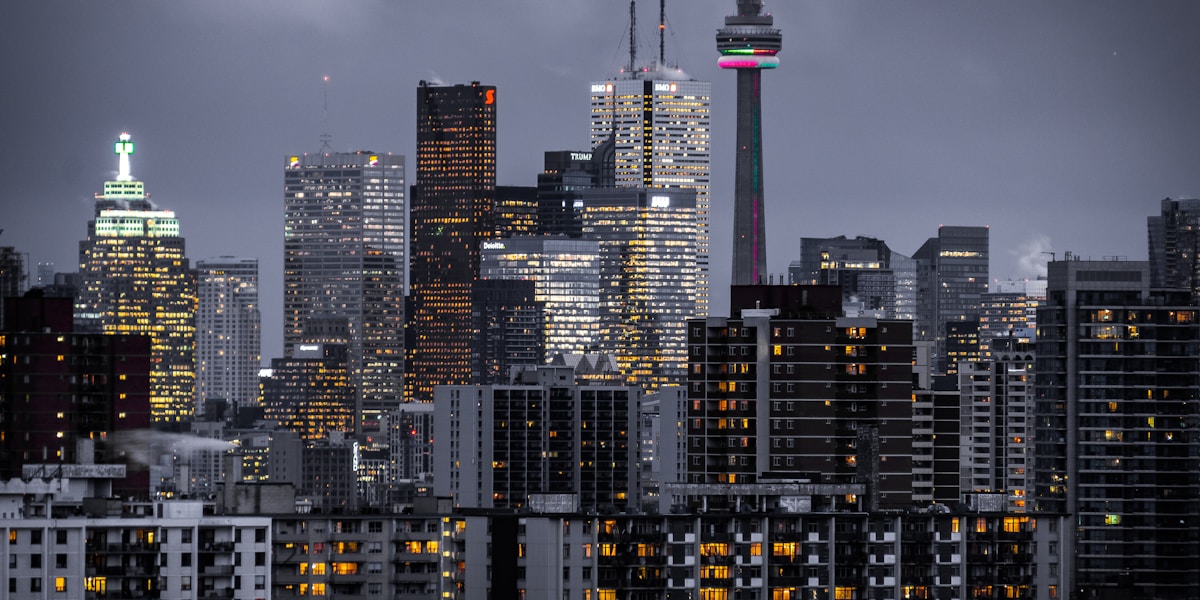
The quest to build taller has driven architectural innovation since the first skyscrapers rose in Chicago in the 1880s. Today's supertall buildings (over 300 meters) and megatall buildings (over 600 meters) push the limits of engineering, materials science, and human ambition, reshaping city skylines from Dubai to Shanghai.
Introduction
Height in architecture is never just about engineering — it is about economics, prestige, and geographic competition. The concentration of the world's tallest buildings in the Middle East and East Asia reflects the shifting center of global economic power and the use of architecture as a tool of national branding.

Burj Khalifa, Dubai, UAE
- Height: 828 m (163 floors)
- Completed: 2010
- Architect: Adrian Smith (SOM)
- Foundation: 192 piles driven 50 m into sand
The Burj Khalifa in Dubai has held the title of world's tallest building since its completion in 2010, standing 828 meters tall with 163 habitable floors. The tower's Y-shaped floor plan was inspired by the Hymenocallis flower and provides structural stability by allowing each wing to buttress the others against wind forces.
At its height, the Burj Khalifa experiences temperature differences between the base and top, requiring the spire to be designed for different thermal expansion than the base. The building's foundation of 192 concrete piles driven 50 meters into the sandy ground required innovative engineering to support the tower's 500,000-tonne weight in Dubai's challenging desert geology.
Shanghai Tower, China
- Height: 632 m (128 floors)
- Completed: 2015
- Shape: 120° twist from base to top
- Innovation: Double-skin facade reduces wind load by 24%
The Shanghai Tower is China's tallest building and the world's second tallest, rising 632 meters with a distinctive twisting form that rotates 120 degrees from base to top. This twist is not merely aesthetic — it reduces wind loads on the building by 24%, saving significant structural material and cost.
The tower's double-skin facade creates nine indoor garden atriums stacked vertically, each serving as a "neighborhood in the sky" with parks, cafes, and gathering spaces. The world's fastest elevators (20.5 meters per second) serve the building's offices, hotel, and observation deck. The tower generates some of its own electricity through 270 wind turbines built into its facade.
Merdeka 118, Kuala Lumpur, Malaysia
- Height: 678.9 m (118 floors)
- Completed: 2023
- Rank: World's 2nd tallest (by roof height)
- Feature: Triangular facade inspired by rubber tree pattern
Merdeka 118, completed in 2023 in Kuala Lumpur, is Southeast Asia's tallest building and the world's second tallest by structural height. The tower's triangulated glass facade was inspired by the pattern of rubber tree seeds, a nod to Malaysia's rubber industry heritage. Its name, meaning "independence," commemorates Malaysia's 1957 independence.
The building rises beside the historic Merdeka Stadium where independence was declared, creating a dramatic juxtaposition of past and present. Merdeka 118 includes a luxury hotel, office space, a public observation deck, and a retail podium, continuing the trend of supertall buildings as mixed-use vertical cities.
One World Trade Center, New York, USA
- Height: 541 m (104 floors)
- Completed: 2014
- Symbolism: 1,776 feet = year of US independence
- Base: 60.96 m × 60.96 m (200 × 200 ft)
One World Trade Center, the tallest building in the Western Hemisphere, rises to a symbolic 1,776 feet (541 meters) — referencing the year of American independence. Built on the site of the destroyed World Trade Center twin towers, the building represents both memorial and renewal in Lower Manhattan.
The tower's design incorporates extensive security features including a 60-meter concrete and steel base, blast-resistant glass, and redundant structural systems. Its octagonal form, created by chamfering the square base as it rises, catches light differently throughout the day, creating a dynamic presence on the Manhattan skyline.
Jeddah Tower (Under Construction), Saudi Arabia
- Planned Height: 1,000+ m (first kilometer-tall building)
- Floors: 167 planned
- Status: Construction paused, expected to resume
- Challenge: Foundation on coral reef geology
Jeddah Tower, if completed, will be the first building to exceed 1,000 meters, shattering the Burj Khalifa's record. The tower's aerodynamic Y-shaped design (similar to the Burj Khalifa, by the same architect) is optimized to reduce wind forces on the slender structure at extreme heights.
Construction began in 2013 but was paused due to financial and logistical challenges. The tower's Red Sea coastal location presents unique engineering challenges, including building on coral reef geology and designing for the corrosive salt air environment. If completed, Jeddah Tower will stand as a monument to the ongoing human ambition to build ever higher.
Key Facts
- The Burj Khalifa (828 m) has been the world's tallest building since 2010.
- Shanghai Tower's 120° twist reduces wind loads by 24%.
- Merdeka 118 (678.9 m) became the world's second tallest building by roof height in 2023.
- One World Trade Center's height of 1,776 feet symbolizes the year of American independence.
- Jeddah Tower aims to be the first building to exceed 1,000 meters.
Fun Facts
- The Burj Khalifa is so tall that residents on upper floors see the sun set minutes later than those at ground level.
- Shanghai Tower's elevators travel at 20.5 meters per second, the world's fastest.
- One World Trade Center's base is a solid concrete and steel fortress for security.
- The Jeddah Tower's foundation must contend with coral reef geology on the Red Sea coast.
Final Thoughts
The world's tallest buildings represent the pinnacle of structural engineering and human ambition. Each supertall tower tells a story about geographic competition, economic power, and the push to overcome the physical limits of building materials and wind forces. As engineers eye the 1,000-meter mark, the race to build higher shows no signs of slowing.
Test Your Knowledge!
Think you know your architecture and cities? Try our interactive quiz!
Play Geography Games →