
Tucked between two oceans and bursting with more biodiversity per square mile than almost anywhere on Earth, Costa Rica is a tiny nation that punches far above its weight. This is a country that abolished its army, runs almost entirely on renewable energy, and turned "pura vida" into a national philosophy. Here are ten genuinely fascinating facts about this Central American gem.
1. It Abolished Its Army in 1948
Perhaps Costa Rica's most remarkable claim to fame is that it has no standing army. In 1948, following a short but bloody civil war, President José Figueres Ferrer made the radical decision to abolish the military altogether. He symbolically smashed a hole in the wall of the Bellavista barracks in San José, which was later converted into the National Museum. The constitution adopted in 1949 formally banned a standing army, and the money once spent on soldiers was redirected toward education and healthcare. Today Costa Rica relies on police forces for internal security and has earned a global reputation as a peaceful, stable democracy. To learn more, see our country guide.
2. It Holds Roughly 5% of the World's Biodiversity
Costa Rica covers only about 0.03% of the planet's surface, yet it is home to an estimated 5% of all known species on Earth. Within its borders you can find more than 900 species of birds, hundreds of mammals, thousands of butterflies, and an astonishing diversity of plants, frogs, and insects. This biological richness comes from the country's position as a land bridge between North and South America, combined with dramatic variations in altitude and rainfall. Resplendent quetzals flash through cloud forests, scarlet macaws screech over the Pacific coast, and three-toed sloths hang lazily in the rainforest canopy. Roughly a quarter of the nation's land is protected in national parks and reserves.
3. San José Sits in a High Central Valley
The capital, San José, is the political, cultural, and economic heart of Costa Rica, home to well over a million people in its greater metropolitan area. It sits in the Central Valley at an elevation of around 1,170 meters (about 3,800 feet), which gives it a pleasantly mild climate often called "eternal spring." Founded in the 18th century, the city grew rich on coffee exports in the 1800s, and much of its grandest architecture, including the ornate National Theatre, dates from that golden era. The National Theatre, completed in 1897, was partly funded by a tax that coffee barons agreed to pay so they could enjoy world-class opera at home.
4. "Pura Vida" Is a Way of Life
If you spend any time in Costa Rica, you will hear the phrase pura vida constantly. Literally meaning "pure life," it functions as a greeting, a goodbye, a thank you, and an expression of contentment all at once. More than a saying, it captures a national outlook that prizes optimism, simplicity, and gratitude over stress and material excess. Costa Ricans, who proudly call themselves Ticos and Ticas, frequently appear near the top of global happiness and well-being rankings. The phrase reflects a culture that values family, community, and savoring everyday moments far more than the frantic pace common in many wealthier nations.
5. It Runs Almost Entirely on Renewable Energy
Costa Rica is a world leader in clean energy. For several recent years, the country has generated more than 98% of its electricity from renewable sources, occasionally running for hundreds of consecutive days on nothing but green power. The backbone of this achievement is hydroelectricity, supplemented by geothermal energy drawn from the country's volcanoes, plus wind and solar. Costa Rica has set ambitious goals to become one of the first carbon-neutral nations in the world. This commitment to sustainability extends to its tourism industry, which has built a global brand around ecotourism and responsible travel.
6. Gallo Pinto Fuels the Nation
The unofficial national dish of Costa Rica is gallo pinto, a hearty mixture of rice and black beans cooked together with onions, peppers, cilantro, and a splash of the local Salsa Lizano sauce. Its name translates to "spotted rooster," a reference to the speckled appearance of the dish. Ticos eat it for breakfast, often served with eggs, fried plantains, sour cream, and fresh tortillas. Costa Rican cuisine generally favors fresh, simple ingredients over heavy spice, and the country's superb coffee, grown in the volcanic highlands, is a point of immense national pride. The traditional midday meal, the casado, pairs rice and beans with meat, salad, and plantains.
7. It Is Wedged Between Two Oceans
Despite its small size, Costa Rica boasts coastlines on both the Caribbean Sea to the east and the Pacific Ocean to the west, separated by only a few hundred kilometers of land. This narrow geography means you can theoretically surf the Pacific in the morning and relax on a Caribbean beach the same day. The two coasts feel like different worlds: the Pacific side is known for its dramatic beaches and dry forests, while the Caribbean coast has a distinct Afro-Caribbean culture, reggae rhythms, and lush, rainy jungle. A spine of volcanic mountains runs down the middle of the country, creating cloud forests like the famous Monteverde reserve.
8. Volcanoes Shape the Landscape
Costa Rica sits along the volcanically active Pacific Ring of Fire and is dotted with around 200 volcanic formations, several of which are still active. Arenal Volcano, with its near-perfect cone, was one of the world's most active volcanoes for decades and remains a magnet for visitors who soak in the natural hot springs at its base. Poás Volcano features one of the largest active crater lakes on the planet, while Irazú, the country's highest volcano, offers views of both oceans on a clear day. This volcanic activity enriches the soil, which is part of why Costa Rican coffee and produce are so renowned.
9. Costa Ricans Are Among the World's Longest-Lived People
The Nicoya Peninsula on Costa Rica's Pacific coast is one of the planet's five "Blue Zones," regions where people routinely live to 90 and beyond in good health. Researchers attribute this longevity to a combination of strong family and social bonds, an active outdoor lifestyle, a diet rich in beans, squash, corn, and tropical fruit, and a deep sense of purpose that locals call plan de vida. Costa Rica as a whole enjoys life expectancy figures that rival or exceed those of much richer countries, a testament to the investments in universal healthcare made possible after the army was abolished.
10. The National Symbols Tell a Peaceful Story
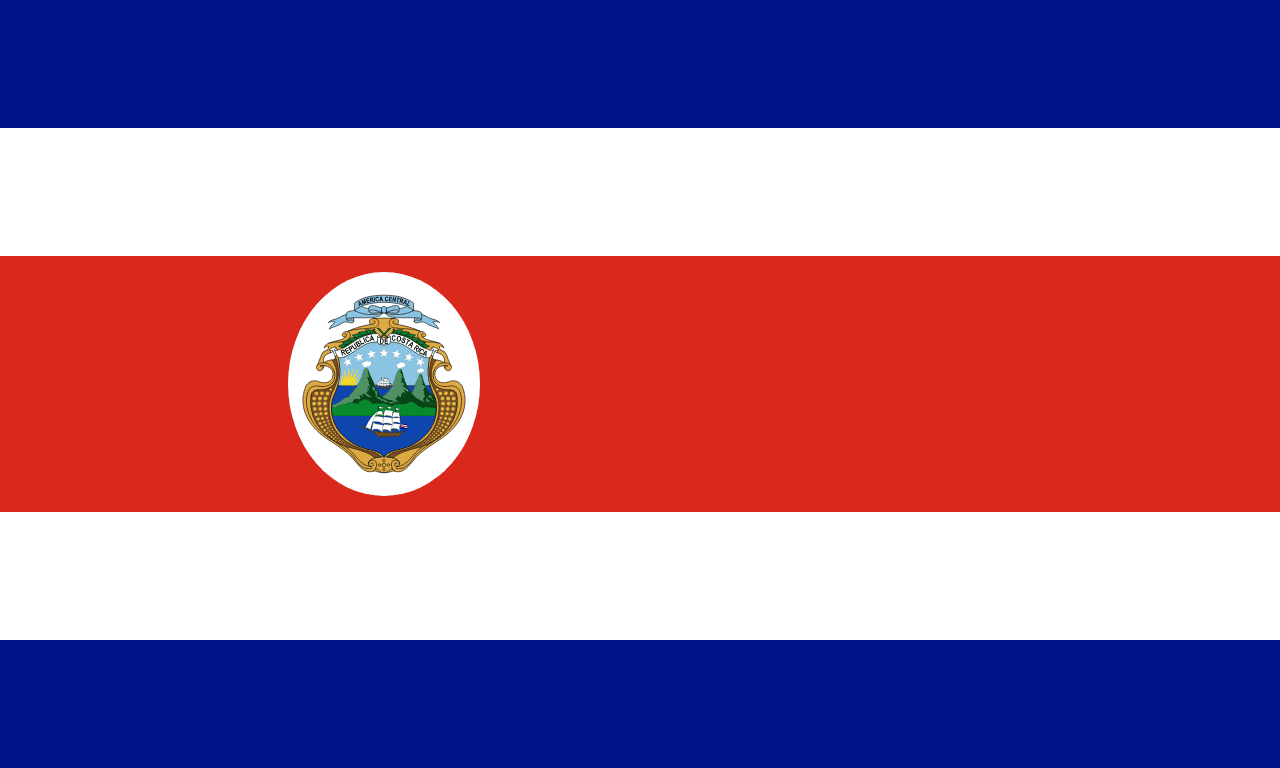
Costa Rica's national symbols reflect its calm, nature-loving character. The national bird is the modest clay-colored thrush, chosen for its beautiful song rather than flashy plumage. The national flower is a delicate purple orchid, the Guaria Morada, and the national tree is the spreading Guanacaste. Even the country's flag, with its bands of blue, white, and red, was designed in 1848 with colors inspired by the ideals of the French Revolution. The blue represents the sky and opportunity, the white stands for peace and wisdom, and the red symbolizes the warmth and bloodshed of those who defended the nation.
Frequently Asked Questions
What is the capital of Costa Rica?
The capital of Costa Rica is San José, located in the temperate Central Valley at roughly 1,170 meters above sea level. It is the largest city in the country and serves as the hub of government, commerce, education, and culture, home to landmarks like the historic National Theatre.
What is Costa Rica famous for?
Costa Rica is famous for its extraordinary biodiversity, lush rainforests, active volcanoes, and beautiful beaches on both the Pacific and Caribbean coasts. It is equally celebrated for abolishing its army in 1948, running on nearly 100% renewable electricity, and for the laid-back "pura vida" lifestyle of its people.
Why do Costa Ricans live so long?
The Nicoya Peninsula is one of the world's rare "Blue Zones," where many residents live past 90. Their longevity is linked to strong community ties, regular physical activity, a plant-rich traditional diet, and a powerful sense of life purpose, all supported by Costa Rica's universal healthcare system.
Conclusion
From a country with no army to a land powered by volcanoes and home to 5% of all life on Earth, Costa Rica proves that small nations can leave an outsized mark. Its commitment to peace, sustainability, and the simple joy of pura vida makes it one of the most inspiring places on the planet. Keep exploring, and you will discover that this little country has endless stories left to tell.
