
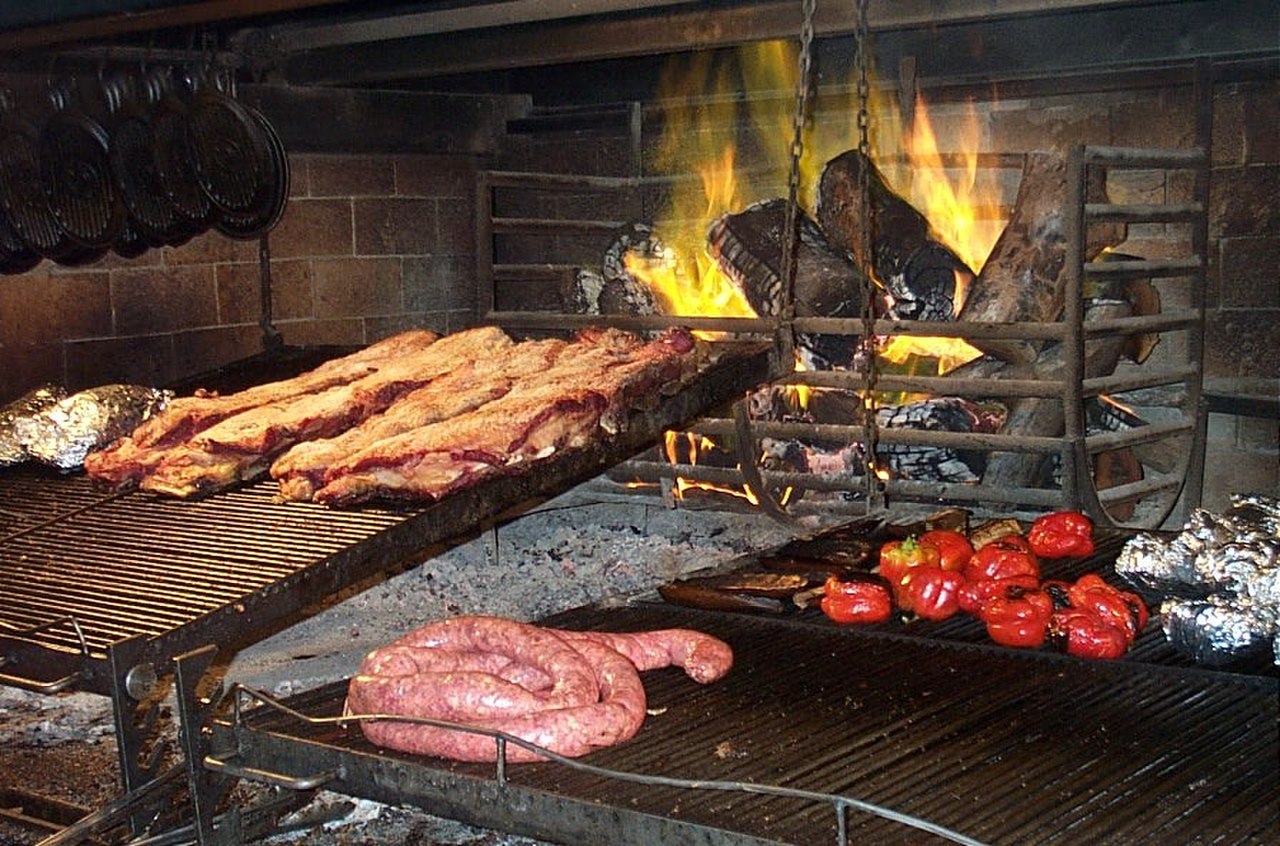
The traditional food of Argentina is built around world-class grass-fed beef, Italian-influenced pasta and milanesas, and dulce de leche, with 15 must-try dishes including asado, empanadas, choripán, locro, alfajores, and mate. Argentine cuisine reflects the country's endless pampas grasslands and successive waves of Spanish and Italian immigration, producing a food culture that prizes quality ingredients, simple preparation, and the deep pleasure of eating together.
The Beef Dishes Argentina Is Famous For
No discussion of Argentine food begins anywhere but the grill. With roughly 55 million head of cattle — more cows than people — and the highest per-capita beef consumption on Earth at around 50 kg per person each year, beef is the backbone of the national diet.
- Asado: The sacred barbecue. Beef ribs (asado de tira), short ribs, chorizo, and morcilla (blood sausage) are grilled slowly over wood or charcoal by the asador, the revered grill master. A Sunday asado is less a meal than an all-afternoon social ritual.
- Bife de chorizo: A thick, juicy sirloin steak — despite the name it contains no sausage — and the cut most associated with an Argentine steakhouse.
- Milanesa: A breaded, pan-fried beef or chicken cutlet. Topped with ham, tomato sauce, and melted cheese it becomes milanesa a la napolitana, a direct edible expression of the country's Italian heritage.
- Matambre arrollado: Rolled flank steak stuffed with eggs, carrots, peppers, and olives, then poached or roasted and served cold in slices as a starter.
Empanadas and Everyday Savory Bites
If asado is the centerpiece, empanadas are the everyday staple eaten at home, at parties, and on the go. These baked or fried pastry pockets vary dramatically by province, and Argentines take fierce regional pride in their version.
- Empanadas: Tucumán fills them with hand-cut beef and cumin; Salta adds potato and peas; Mendoza folds in olives. The decorative crimped edge, called the repulgue, often signals the filling inside.
- Choripán: A grilled chorizo split lengthwise, tucked into crusty bread, and slathered with chimichurri. It is Argentina's defining street food and the unofficial fuel of football matchdays.
- Provoleta: A thick disc of provolone cheese grilled until molten inside and crisp outside, dusted with oregano and chili flakes, served sizzling as an asado appetizer.
Chimichurri — a bright sauce of parsley, garlic, oregano, vinegar, and oil — is the national condiment that ties many of these dishes together.
Hearty Stews With Indigenous Roots
Beyond the grill, Argentina's interior provinces keep alive comfort foods that predate European arrival, especially in the Andean northwest.
- Locro: A thick, slow-cooked stew of corn, white beans, squash, and meat. This pre-Columbian dish is traditionally eaten on May 25, the anniversary of the 1810 revolution, making it one of the few foods to bridge indigenous and patriotic tradition.
- Carbonada: A subtly sweet stew of beef, corn, sweet potato, squash, and dried fruit, sometimes baked and served inside a hollowed pumpkin.
- Humita: A creamy purée of fresh corn, onion, and spices, often steamed in its own husk like a tamale — another dish carried down from Andean kitchens.
Sweets and the National Obsession With Dulce de Leche
Argentina eats more dulce de leche than any nation on Earth — roughly 3 kg per person each year — and the caramelized milk spread turns up in nearly every dessert.
- Dulce de leche: Slow-cooked sweetened milk used as a filling, a topping, and a spread eaten straight from the jar.
- Alfajores: Two soft shortbread cookies sandwiching dulce de leche, then dipped in chocolate or rolled in coconut and powdered sugar — the country's most beloved cookie and ubiquitous gift.
- Medialunas: Small, glossy, glazed croissants that are sweeter and denser than their French cousins, essential alongside a morning coffee.
- Flan con dulce de leche: A wobbly caramel custard finished with a generous pour of dulce de leche and whipped cream.
Mate, Malbec, and What Argentines Drink
Every meal sits inside a drinking culture as distinctive as the food itself, anchored by one daily ritual and one global export.
- Mate: A bitter herbal infusion of dried yerba leaves, sipped through a metal bombilla from a shared gourd and passed around the circle. Argentines drink an average of more than 100 liters a year, and offering mate is an act of friendship and trust.
- Malbec: Argentina's signature red wine, grown at high altitude around Mendoza, which produces over 70 percent of the country's wine. Argentina ranks among the world's largest wine producers.
- Fernet con Coca: The bitter Italian herbal liqueur Fernet Branca mixed with Coca-Cola — a Córdoba habit that became a nationwide favorite.
For travelers wanting the full picture of the country behind these flavors, see our argentina country guide.
Frequently Asked Questions
What is the most famous food in Argentina?
Asado, the traditional barbecue of grilled beef and sausages, is the most iconic Argentine food. It is both a dish and a social ritual that defines weekend gatherings across the country.
What is Argentina's national dish?
Argentina has no single official national dish, but asado, empanadas, and locro are the strongest contenders. Locro is the dish most tied to national identity, eaten every May 25 to mark the country's independence revolution.
What do Argentines eat for breakfast?
Breakfast is light, typically coffee or mate with medialunas or toast and dulce de leche. Heavy savory breakfasts are uncommon, as the largest meals come at lunch and a late dinner.
Why is Argentine beef considered so good?
Argentina's vast pampas grasslands allow cattle to graze on natural pasture, producing grass-fed beef known for its flavor. Combined with a deep grilling tradition and skilled asadores, this gives Argentine steak its global reputation.