
The traditional food of Chile centers on hearty, fresh dishes built around seafood, corn, beef, and potatoes — with 15 must-try staples including empanadas de pino, pastel de choclo, cazuela, curanto, completos, caldillo de congrio, porotos granados, sopaipillas, charquicán, humitas, mote con huesillo, alfajores, kuchen, the terremoto cocktail, and pisco sour. Chilean cuisine reflects a country that stretches more than 4,300 kilometres from the Atacama Desert to Patagonian glaciers, giving it an unusually wide range of ingredients for a nation only about 177 km wide on average.
The 15 dishes that define Chilean cuisine
Chilean cooking favours simple, honest flavours over heavy spice, letting quality ingredients speak for themselves. These are the dishes most worth seeking out:
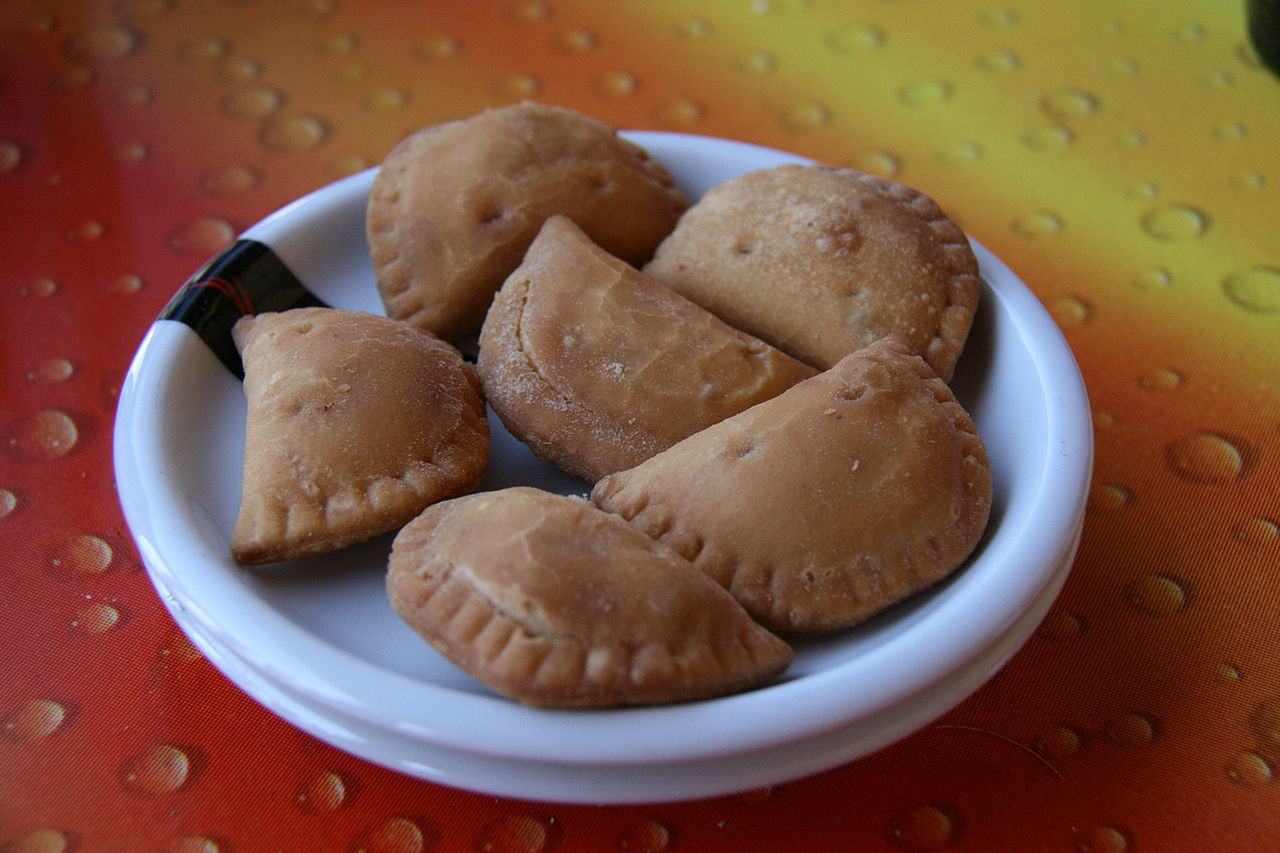
- Empanada de pino — a baked pastry stuffed with ground beef, onion, raisins, a black olive, and a slice of hard-boiled egg.
- Pastel de choclo — a sweet-savoury casserole topped with mashed sweetcorn over beef, chicken, onion, olives, and egg.
- Cazuela — a clear, brothy stew with a large piece of beef or chicken plus corn on the cob, potato, and squash.
- Curanto — a Chiloé Island feast of shellfish, meat, and potatoes cooked over hot stones in an earth pit.
- Completo — the loaded Chilean hot dog, piled with avocado, tomato, sauerkraut, and mayonnaise.
- Caldillo de congrio — a rich conger-eel soup immortalised in a poem by Pablo Neruda.
- Porotos granados — a summer stew of cranberry beans, corn, squash, and basil.
- Charquicán — a comforting mash of beef, potato, squash, and corn, often crowned with a fried egg.
- Humitas — fresh corn paste wrapped and steamed in corn husks, the Andean cousin of the tamale.
- Sopaipillas — fried pumpkin-dough discs eaten with pebre salsa or chancaca syrup.
- Mote con huesillo — a sweet drink-dessert of husked wheat and dried peaches in syrup.
- Alfajores — shortbread cookies sandwiched with manjar (dulce de leche).
- Kuchen — German-style fruit cake from the country's southern immigrant towns.
- Terremoto — the "earthquake" cocktail of pipeño wine, fernet, and pineapple ice cream.
- Pisco sour — Chile's grape-brandy cocktail with lime, sugar, and egg white.
How geography shapes the menu
Few countries owe their cuisine to geography as directly as Chile. With one of the world's longest coastlines — roughly 6,400 km facing the Pacific — Chileans eat extraordinary seafood, from conger eel and sea bass to machas (razor clams) and the prized loco abalone. The cold Humboldt Current keeps these waters teeming with fish, which is why dishes such as caldillo de congrio and the seafood-laden curanto are coastal institutions rather than luxuries.
Inland, the fertile Central Valley around Santiago supplies the corn, beans, squash, and beef that anchor home cooking. Move south into the Lake District and Chiloé, and you find a wetter, cooler climate suited to potatoes — Chiloé alone is home to hundreds of native potato varieties, the foundation of milcao and chapaleles eaten with curanto. To learn more about the country behind the food, see our chile country guide.
Empanadas and the food of Fiestas Patrias
If one dish is sacred in Chile, it is the empanada de pino. Around Fiestas Patrias — the September 18 independence celebrations — families bake them by the dozen, and the quality of a household's empanada becomes a genuine point of pride. The word pino comes from the Mapuche term for the minced filling rather than from pine nuts, a reminder of Indigenous influence on Chilean speech and cooking.
These celebrations are also when the terremoto cocktail and roasted meats appear at the fondas (festival food stalls), alongside choripán and anticuchos (grilled skewers). It is the one week of the year when nearly the entire national menu shows up in a single setting.
Sweet treats and immigrant influences
Chile's sweet tooth runs deep. Manjar, the local dulce de leche, fills alfajores, doughnut-like berlines, and countless cakes. Street vendors ladle out mote con huesillo on hot summer days, a refreshing mix of chewy wheat and reconstituted dried peaches that doubles as drink and dessert.
The south tells a different story. Nineteenth-century German settlers around Valdivia, Osorno, and the Lake District left a lasting mark, most deliciously in kuchen — apple, berry, or rhubarb cakes that still appear in café windows. The town of Frutillar even celebrates this heritage with its own kuchen tradition, a tangible link between European baking and Chilean ingredients.
What Chileans drink with their food
Chile is one of the world's great wine producers, with the Maipo, Colchagua, and Casablanca valleys benefiting from cool Pacific breezes and the Andes' rain shadow. Its signature grape, Carmenère, was thought extinct in Bordeaux until it was rediscovered growing in Chilean vineyards in 1994. For cocktails, the pisco sour reigns — though Chile and Peru both claim it — and the potent terremoto rounds out any festive table. Test your knowledge of world cuisines and the countries behind them with our geography games.
Frequently Asked Questions
What is Chile's national dish?
Chile has no single official national dish, but the empanada de pino and pastel de choclo are the two most commonly cited national favourites, closely followed by the comforting cazuela stew.
What is the most popular street food in Chile?
The completo — an oversized hot dog topped with mashed avocado, diced tomato, and mayonnaise (the "italiano" version, coloured like the Italian flag) — is Chile's most beloved street food, sold from carts and fast-food counters nationwide.
Is Chilean food spicy?
Not particularly. Chilean cuisine is generally mild, relying on fresh herbs and quality ingredients. Heat usually comes from pebre, a side salsa of tomato, onion, coriander, and ají chillies that diners add to taste.
What seafood is Chile known for?
Thanks to its long Pacific coast and the cold Humboldt Current, Chile is famous for conger eel, sea bass, machas (razor clams), and the prized loco, a sought-after abalone-like shellfish.