
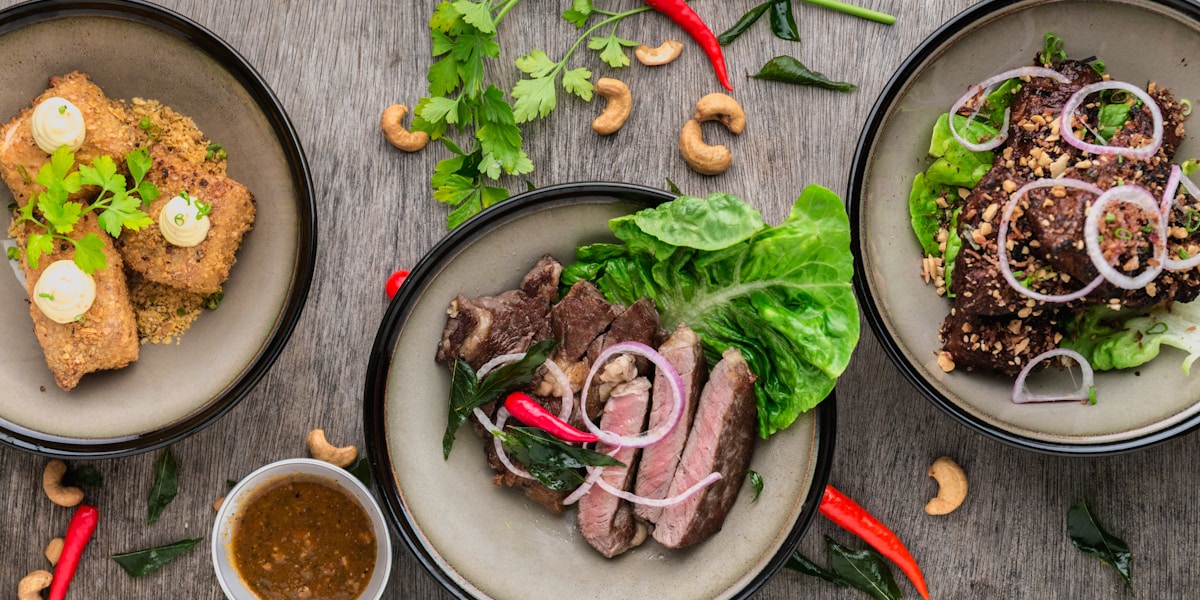
The traditional food of Japan, known as washoku, centres on a handful of iconic dishes — sushi, ramen, tempura, miso soup, udon, tonkatsu, takoyaki, gyoza, onigiri, mochi, dorayaki, sashimi, soba, okonomiyaki, and yakitori — built around fresh, seasonal ingredients and umami-rich flavour. Washoku was recognised as a UNESCO Intangible Cultural Heritage in 2013, honouring a cooking philosophy that prizes balance, simplicity, and respect for nature over heavy sauces and spice.
The Big Three: Sushi, Ramen, and Tempura
If three dishes define Japanese cuisine abroad, these are them. Sushi pairs vinegared rice with fresh seafood in forms ranging from hand-pressed nigiri to rolled maki, and it remains Japan's most celebrated culinary export. Ramen, a wheat-noodle soup adapted from Chinese cooking, comes in regional broth styles — rich tonkotsu (pork bone), soy-based shoyu, miso, and clear shio — topped with chashu pork, soft-boiled egg, and nori. Japan has well over 30,000 ramen shops, each guarding its own recipe. Tempura, lightly battered and deep-fried seafood and vegetables, was introduced by Portuguese missionaries in the 16th century and refined into something distinctly Japanese: airy, crisp, and barely greasy.
Street Food and Everyday Snacks
Japanese street food shines at summer festivals (matsuri) and in the ubiquitous convenience stores (konbini).
- Takoyaki: crispy, ball-shaped batter snacks filled with diced octopus, pickled ginger, and spring onion, born in Osaka.
- Gyoza: pan-fried dumplings stuffed with pork and cabbage, served with a soy-vinegar dip.
- Onigiri: triangular rice balls wrapped in nori and filled with salmon, umeboshi plum, or tuna mayo — billions are sold each year at konbini counters.
- Okonomiyaki: a savoury cabbage-and-batter pancake, often called "Japanese pizza," loaded with pork, seafood, and a drizzle of sweet sauce and mayonnaise.
- Yakitori: skewered grilled chicken seasoned with salt or a sweet-savoury tare glaze, a staple of izakaya pubs.
Noodles, Soups, and Comfort Dishes
Comfort cooking in Japan rests on dashi, the foundational stock made from kombu kelp and bonito flakes that delivers deep umami without heaviness. Miso soup, a fermented soybean broth with tofu and wakame seaweed, accompanies nearly every traditional meal, including breakfast. Udon noodles are thick and chewy, served hot or cold in dashi broth with toppings like tempura or sweet fried tofu. Soba, thinner buckwheat noodles, are eaten chilled with a dipping sauce in summer or in hot broth in winter, and slurping them is a sign of enjoyment. Tonkatsu, a breaded and deep-fried pork cutlet served with shredded cabbage and a tangy sauce, anchors many home and restaurant menus. For the freshest expression of seafood, sashimi presents thin slices of raw fish without any rice at all.
Sweets, Desserts, and Wagashi
Traditional Japanese sweets, or wagashi, are designed to balance the bitterness of green tea and to mirror the seasons — cherry blossom motifs in spring, chestnut in autumn.
- Mochi: chewy cakes of pounded glutinous rice, often filled with sweet red bean paste (anko) or wrapped around ice cream.
- Dorayaki: two fluffy pancakes sandwiching azuki bean paste, famous as the favourite snack of the anime cat Doraemon.
- Matcha sweets: green-tea-flavoured parfaits, cakes, and delicate tea-ceremony confections.
To drink, sake (rice wine, served warm or chilled) and matcha (powdered green tea whisked to a froth) round out the table, the latter central to the chanoyu tea ceremony for over 500 years.
Why Japanese Cuisine Tastes the Way It Does
Japan's long, mountainous archipelago, surrounded by rich fishing grounds, naturally pushed its cuisine toward seafood, rice, soybeans, and seaweed rather than dairy or large amounts of red meat. The result is a kitchen organised around five flavours and a famous "rule of five colours" for visual balance on the plate. It was a Japanese chemist, Kikunae Ikeda, who isolated umami — the savoury fifth taste — in 1908, giving a scientific name to the kombu-and-bonito flavour that anchors so much of the food. To explore the geography and culture behind these dishes, see our japan country guide.
Frequently Asked Questions
What is the most famous traditional Japanese food?
Sushi is the most internationally recognised Japanese dish, followed closely by ramen and tempura. Within Japan, everyday staples such as rice, miso soup, and grilled fish are eaten far more frequently than restaurant sushi.
What is washoku?
Washoku is the term for traditional Japanese cuisine. It emphasises seasonality, fresh ingredients, careful presentation, and a dashi-based umami foundation. UNESCO added washoku to its list of Intangible Cultural Heritage in 2013.
What do Japanese people eat for breakfast?
A classic Japanese breakfast includes steamed rice, miso soup, grilled fish, pickled vegetables, and sometimes a raw or rolled egg — a savoury, balanced start to the day rather than a sweet one.
Is all Japanese food raw fish?
No. While sushi and sashimi use raw seafood, much of Japanese cooking is cooked — ramen, tempura, tonkatsu, udon, yakitori, and gyoza are all grilled, fried, simmered, or boiled.
