
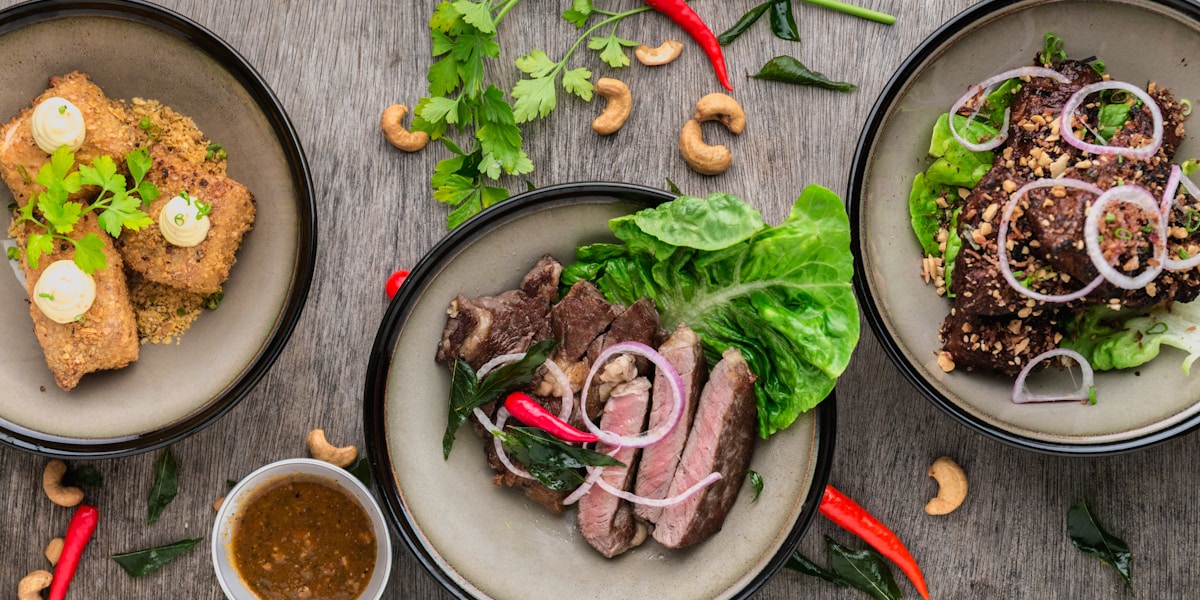
The traditional food of Mexico centres on 15 must-try dishes: tacos, mole, tamales, pozole, chiles en nogada, birria, elote, quesadillas, tlayudas, enchiladas, cochinita pibil, ceviche, churros, tres leches cake, and the agave spirits tequila and mezcal. Built on corn, beans, and chili peppers, Mexican cuisine was inscribed on UNESCO's list of Intangible Cultural Heritage in 2010 — one of only a handful of national cuisines ever honoured that way.
The corn, bean, and chili foundation
Almost every dish on this list traces back to three ingredients domesticated in Mesoamerica thousands of years ago. Corn (maize) has been cultivated in Mexico for over 7,000 years and is nixtamalised — soaked in an alkaline lime solution — to make the masa for tortillas, tamales, and pozole. Beans supply protein, and chilies provide the heat and depth: Mexico grows more than 60 distinct chili varieties, from mild poblano and ancho to fiery habanero. To understand how geography shaped this larder, see our mexico country guide, which covers the deserts, highlands, and tropical coasts that each gave rise to their own regional dishes.
The iconic main dishes
These are the heart of any list of must-try Mexican food, found everywhere from family kitchens to street stalls:
- Tacos — soft corn tortillas folded around fillings like al pastor (spit-roasted pork), carnitas (braised pork), or barbacoa, finished simply with cilantro, onion, and lime.
- Mole — a complex sauce of chilies, chocolate, nuts, and spices that can contain more than 30 ingredients; Oaxaca is famed as "the land of seven moles."
- Tamales — corn masa filled with meat, cheese, or chilies, wrapped in corn husks or banana leaves and steamed.
- Enchiladas — rolled tortillas bathed in chili sauce, a staple of home cooking across the country.
- Cochinita pibil — Yucatán's slow-roasted pork marinated in achiote and bitter orange, traditionally cooked in an underground pit.
Authentic tacos bear little resemblance to their international imitations: the tortilla is soft corn, never a crunchy shell, and the seasoning is bright rather than heavy.
Hearty soups, stews, and festive plates
Mexican cuisine reserves some of its most celebrated dishes for stews and special occasions:
- Pozole — a hominy-corn stew with pork or chicken in red or green chili broth, garnished with shredded cabbage, radish, and oregano; its origins are pre-Columbian and ceremonial.
- Birria — slow-braised goat or beef in a rich, spiced broth from Jalisco, now globally famous as the dippable birria taco.
- Chiles en nogada — stuffed poblano peppers in a white walnut-cream sauce scattered with red pomegranate seeds; its green, white, and red colours mirror the Mexican flag, and it is traditionally served in September around Independence Day.
Street food and snacks
Mexico's antojitos ("little cravings") culture is among the richest in the world, and these are the snacks you should not miss:
- Elote — grilled corn on the cob slathered with mayonnaise, crumbled cotija cheese, chili powder, and lime.
- Quesadillas — folded tortillas with melted Oaxaca cheese, sometimes filled with squash blossoms or huitlacoche, the prized corn truffle considered a crop disease elsewhere.
- Tlayudas — giant crisp tortillas from Oaxaca topped with refried beans, cheese, and meat, often called "Oaxacan pizza."
- Ceviche — fresh raw fish or shrimp "cooked" in lime juice with tomato, onion, and chili, a coastal favourite from Baja to the Gulf.
Sweets, desserts, and drinks
No list of traditional Mexican food is complete without its sweets and signature beverages, which blend indigenous and Spanish influences:
- Churros — fried dough sticks rolled in cinnamon sugar and dipped in thick chocolate or cajeta (goat-milk caramel).
- Tres leches cake — airy sponge soaked in three milks (evaporated, condensed, and cream) until lusciously moist.
- Tequila — distilled from blue Weber agave, it can legally be produced only in designated regions, primarily Jalisco.
- Mezcal — the broader, smoky agave spirit from Oaxaca, made from dozens of agave species using pit-roasting that gives its distinctive flavour.
Together these dishes show why Mexican cooking is treated as a living heritage rather than a fixed menu: chocolate itself was first made here, its name derived from the Nahuatl xocolatl.
Frequently Asked Questions
What is the national dish of Mexico?
Mexico has no single official national dish, but mole poblano and chiles en nogada are the strongest contenders, and tacos are by far the most widely eaten everyday food.
What is the most popular Mexican food?
The taco is the most popular and recognisable Mexican food, eaten daily across every region with endless regional fillings, from al pastor to fish tacos on the coasts.
Why is Mexican cuisine a UNESCO heritage?
UNESCO inscribed traditional Mexican cuisine in 2010 for its ancient farming methods, communal cooking practices, and continuous use of corn, beans, and chilies dating back thousands of years.
What are the staple ingredients in Mexican food?
Corn, beans, and chili peppers form the foundation, joined by tomatoes, avocado, squash, and an enormous range of chilies and herbs unique to Mexico's varied landscapes.
