
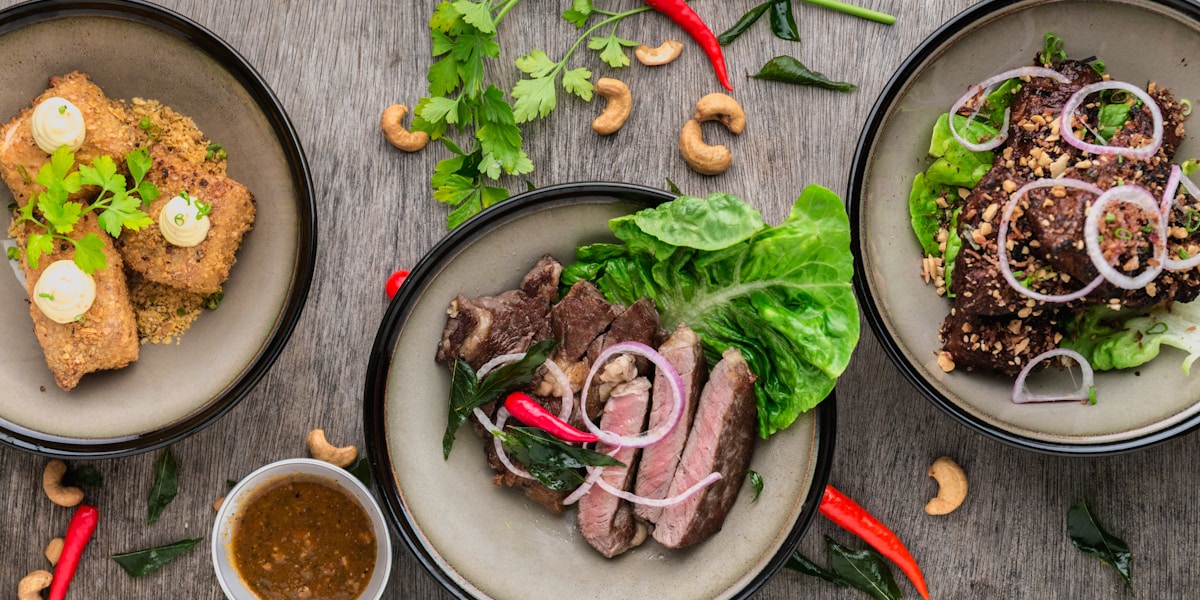
The traditional food of Nepal centres on dal bhat, momos, and sel roti, alongside warming dishes like thukpa, gundruk, and Newari specialities such as chatamari and juju dhau. Nepali cuisine is shaped by altitude and ethnicity, blending Indian, Tibetan, and indigenous Himalayan traditions into hearty, spice-forward mountain fare. Here are 15 must-try dishes that define eating in Nepal.
The Everyday Staples
No meal defines Nepal like dal bhat — lentil soup poured over steamed rice, rounded out with a vegetable curry (tarkari) and tangy pickle (achar). Most Nepalis eat it twice a day, and the trekking-trail mantra "dal bhat power, 24 hour" captures why: it is cheap, filling, and endlessly refillable. The genius of the meal is balance, combining protein, carbohydrate, and pickled acidity in one plate.
- Dal Bhat: The national plate of rice, lentils, curry, and achar, eaten by millions every day.
- Momos: Steamed or fried dumplings stuffed with buffalo, chicken, or vegetables, served with a fiery tomato-and-sesame chutney.
- Sel Roti: A sweet, ring-shaped rice bread fried until crisp, made in huge batches for Dashain and Tihar.
Momos arrived via Tibetan and Newari kitchens but have become Nepal's beloved comfort food, so popular that vendors compete over the best jhol achar dipping sauce.
Newari Cuisine of the Kathmandu Valley
The Newar people of the Kathmandu Valley maintain one of Asia's oldest continuous food cultures, built around elaborate feasts and festival dishes.
- Chatamari: A thin rice-flour crepe topped with minced meat, egg, and vegetables, often nicknamed "Nepali pizza."
- Bara: A savoury fried lentil patty, crisp outside and soft within, eaten plain or topped with egg.
- Chhoila: Spiced grilled buffalo meat tossed with mustard oil, garlic, and chilli, a classic feast dish.
- Yomari: Steamed rice-flour dumplings filled with molasses (chaku) and sesame, made for the Yomari Punhi festival.
A full Newari spread, or samay baji, layers beaten rice, chhoila, bara, soybeans, and pickles into a single ceremonial plate that reflects centuries of refined valley cooking.
Mountain Soups, Stews, and Fermented Foods
At high altitude, where rice gives way to barley, buckwheat, and millet, the food turns toward warming soups and clever preservation.
- Thukpa: A Tibetan-influenced noodle soup loaded with vegetables and meat, ideal for cold mountain evenings.
- Dhido: A thick porridge of buckwheat or millet flour, a traditional rural alternative to rice, eaten with curry and gundruk.
- Gundruk: Fermented, sun-dried leafy greens — Nepal's answer to kimchi — served as a tangy soup or pickle.
- Kwati: A soup of nine sprouted beans, prepared during the Janai Purnima festival for strength and nourishment.
Fermentation here is born of necessity. In villages without refrigeration, gundruk and sinki (fermented radish) let families preserve the harvest through long Himalayan winters, and these sour, probiotic foods remain prized today.
Sweets, Snacks, and Festival Treats
Nepali sweets are closely tied to celebration, and many are impossible to find outside their home regions.
- Juju Dhau: The "King of Yogurt" from Bhaktapur, a thick, sweet yogurt set in clay pots that give it a distinctive earthy flavour.
- Lakhamari: Decoratively shaped deep-fried sweet bread, essential to Newari weddings and offerings.
For everyday snacking, street vendors around Asan and Indra Chowk in Kathmandu fry samosas and serve pani puri — crisp hollow shells filled with spiced tamarind water. These quick bites bridge the gap between Nepal's home cooking and its lively urban food scene.
Traditional Drinks
Beverages in Nepal range from the universal cup of tea to potent festival spirits.
- Chiya: Sweet, spiced milk tea served in every teahouse, the social glue of village and trail alike.
- Tongba: Warm millet beer sipped through a bamboo straw from a wooden pot, a speciality of the eastern Limbu people.
- Raksi: A clear distilled spirit made from rice or millet, poured warm during celebrations and cold nights.
Tongba is uniquely Himalayan: hot water is repeatedly added to fermented millet packed in the vessel, so a single serving can be topped up again and again throughout an evening.
Frequently Asked Questions
What is the national dish of Nepal?
Dal bhat — rice with lentil soup, vegetable curry, and pickle — is widely regarded as Nepal's national dish. It is eaten across all regions and ethnic groups, usually twice a day, and refills are typically free at local eateries.
Are momos originally from Nepal?
Momos trace their roots to Tibet and reached Nepal through Himalayan and Newari trade and migration. Nepal has since made them its own, with distinctive buffalo fillings and a signature spicy tomato-sesame achar that sets Nepali momos apart.
Is Nepali food spicy?
It can be, but heat is adjustable. Chillies, garlic, ginger, and cumin feature heavily in pickles and chutneys like chhoila and jhol achar, while staples such as dal bhat and thukpa are milder and rely more on warmth and balance than fire.
What should vegetarians eat in Nepal?
Nepal is very vegetarian-friendly. Dal bhat with vegetable tarkari, vegetable momos, dhido with gundruk, kwati bean soup, and sel roti are all meat-free, and many Hindu households cook vegetarian by default during festivals.
To learn more about the country behind these dishes, explore our nepal country guide.