
Introduction
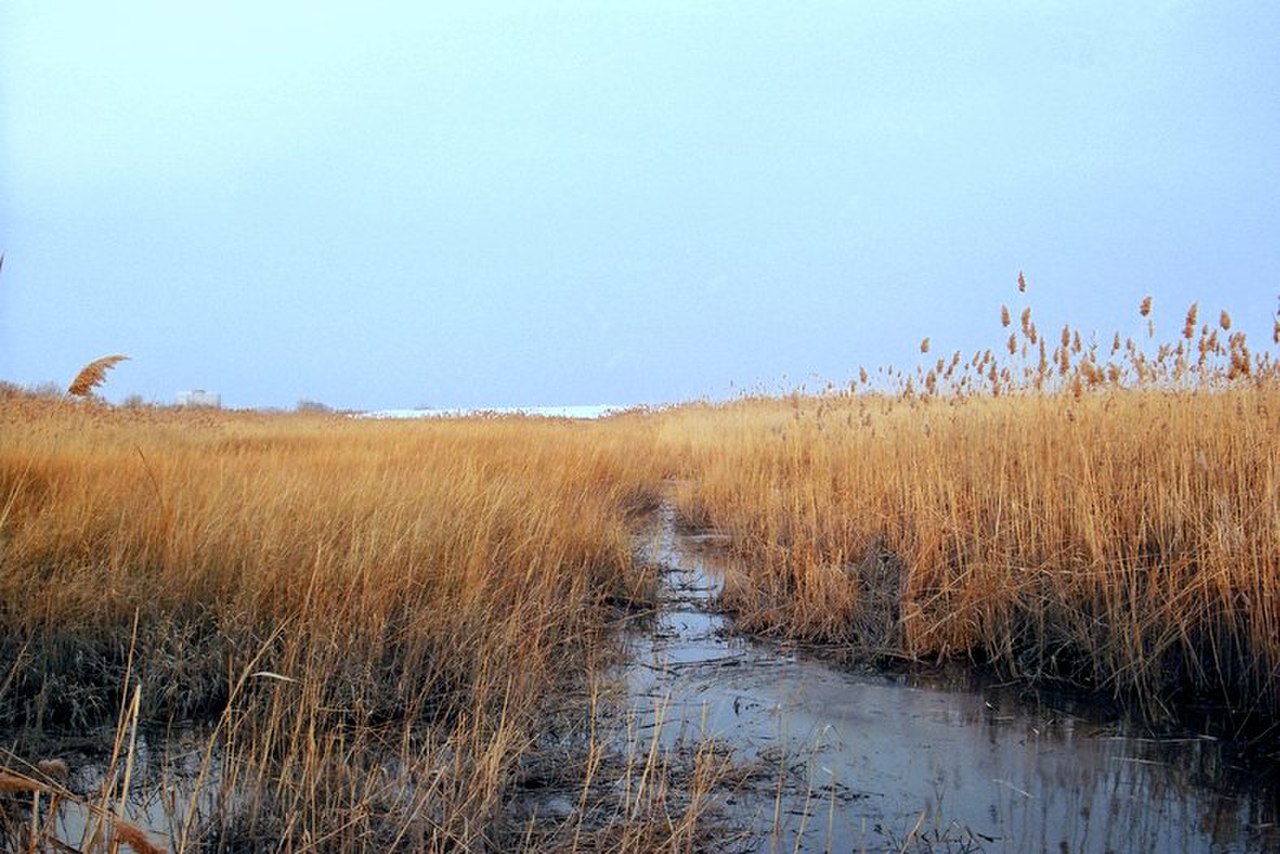
Wetlands are ecosystems where water covers the soil or is present at or near the surface for significant periods during the growing season. They include swamps, marshes, bogs, fens, and mangroves, and they occur on every continent except Antarctica. Despite covering only about 6% of Earth's land surface, wetlands are among the most biologically productive ecosystems on the planet.
Wetlands have historically been viewed as wasteland — obstacles to agriculture and breeding grounds for disease. Consequently, more than 50% of the world's wetlands have been drained or destroyed since 1900. Yet we now understand that wetlands provide ecosystem services worth trillions of dollars annually, including flood control, water purification, carbon storage, and habitat for an extraordinary diversity of species.

Types of Wetlands
- Swamps: Tree-dominated wetlands (cypress, mangrove)
- Marshes: Herbaceous vegetation, shallow standing water
- Bogs: Acidic, peat-accumulating, rain-fed
- Fens: Alkaline, groundwater-fed, mineral-rich
Swamps are forested wetlands dominated by trees adapted to waterlogged conditions. Cypress swamps of the southeastern United States, papyrus swamps of tropical Africa, and mangrove swamps along tropical coastlines are classic examples. Marshes are dominated by non-woody vegetation such as reeds, cattails, and sedges, and they typically have shallow standing water throughout the year.
Bogs and fens are peatland wetlands found primarily in cool, moist climates. Bogs are acidic, nutrient-poor environments fed only by rainfall, dominated by Sphagnum mosses that slowly accumulate as peat. Fens are groundwater-fed, less acidic, and typically richer in plant species. Both types accumulate peat over thousands of years, creating deposits that can be meters thick.
Ecological Productivity
- Primary Productivity: Up to 3,000 g/m²/year in marshes
- Comparison: Rivals tropical rainforests
- Food Webs: Support complex aquatic and terrestrial food chains
- Nursery Function: ~75% of commercially harvested fish spend part of life in wetlands
Wetlands are among the most productive ecosystems per unit area on Earth. Freshwater marshes can produce up to 3,000 grams of dry biomass per square meter per year, comparable to the most productive tropical rainforests. This extraordinary productivity results from the constant availability of water and nutrients, which fuels rapid plant growth.
Approximately 75% of commercially harvested fish and shellfish species depend on wetlands during some part of their life cycle, whether for spawning, nursery habitat, or feeding. Wetlands serve as critical nurseries where juvenile fish find shelter from predators and abundant food in the form of insects, crustaceans, and plant material.
Ecosystem Services
- Flood Control: Absorb and slow floodwaters
- Water Purification: Filter pollutants, sediments, nutrients
- Carbon Storage: Peatlands store ~30% of global soil carbon
- Shoreline Protection: Buffer against storms and erosion
Wetlands function as natural sponges, absorbing excess water during floods and releasing it slowly over time. The Mississippi River floodplain wetlands, before they were largely drained, could store enormous volumes of floodwater that now devastates downstream cities. The economic value of wetland flood control has been estimated at thousands of dollars per hectare per year.
Peatlands, which cover only about 3% of Earth's land surface, store approximately 30% of all global soil carbon — roughly 600 billion tonnes. This makes peatland conservation one of the most cost-effective strategies for climate change mitigation. When peatlands are drained or burned, they release this stored carbon as CO2, contributing significantly to greenhouse gas emissions.
Biodiversity
- Amphibian Habitat: Critical for ~40% of amphibian species
- Bird Habitat: Millions of waterbirds depend on wetlands
- Plant Diversity: Unique specialist species in each wetland type
- Endangered Species: Many wetland-dependent species are threatened
Wetlands support a disproportionate share of Earth's biodiversity relative to their area. They are critical habitat for approximately 40% of all amphibian species, most of which require standing water for breeding. Wetlands also support millions of migratory waterbirds, with the world's major flyways following chains of wetland stopover sites from breeding to wintering grounds.
Many wetland species are highly specialized and found nowhere else. Carnivorous plants like sundews and pitcher plants thrive in the nutrient-poor conditions of bogs. The shoebill stork of African papyrus swamps is one of the world's most sought-after birds for wildlife watchers. Freshwater mussels, some of the most endangered animals in North America, depend entirely on clean-flowing wetland streams.
Threats & Conservation
- Global Loss: Over 50% of wetlands destroyed since 1900
- Main Threats: Drainage for agriculture, urbanization, pollution
- Ramsar Convention: International treaty protecting 2,400+ wetland sites
- Restoration: Growing worldwide movement to restore drained wetlands
More than half of the world's wetlands have been destroyed since the beginning of the 20th century, primarily through drainage for agriculture and urban development. In some regions, the losses are even more severe: Iowa has lost 99% of its original wetlands, and Europe has lost over 60% of its wetland area. This destruction continues at a rate of roughly 1% per year in many developing countries.
The Ramsar Convention on Wetlands, signed in 1971, is the oldest modern intergovernmental environmental agreement and has designated over 2,400 Wetlands of International Importance worldwide. Wetland restoration is gaining momentum as governments recognize the enormous value of the ecosystem services that were lost when wetlands were drained. In many cases, restoration involves simply re-wetting previously drained land.
Key Facts
- Wetlands cover only 6% of Earth's land but are among the most productive ecosystems on the planet.
- Over 50% of the world's wetlands have been destroyed since 1900.
- Peatlands store ~30% of global soil carbon despite covering only 3% of land area.
- Approximately 75% of commercially harvested fish depend on wetlands during their life cycle.
- The Ramsar Convention protects over 2,400 wetland sites of international importance.
Fun Facts
- A single hectare of wetland can store up to 15 million liters of floodwater.
- Sphagnum moss in bogs is so acidic and antimicrobial that it was used as wound dressing in World War I.
- Iowa has lost 99% of its original wetlands to agriculture, the highest loss rate of any US state.
- Some bog bodies — human remains preserved in peat — are over 2,000 years old with skin, hair, and internal organs intact.
Final Thoughts
Wetlands are among Earth's most undervalued and threatened ecosystems, providing essential services including flood control, water purification, carbon storage, and biodiversity support. The loss of over half the world's wetlands represents one of the greatest ecological tragedies of the modern era. Restoring and protecting the wetlands that remain is not just an environmental priority but an economic imperative, given the trillions of dollars in services they provide.
