
Introduction
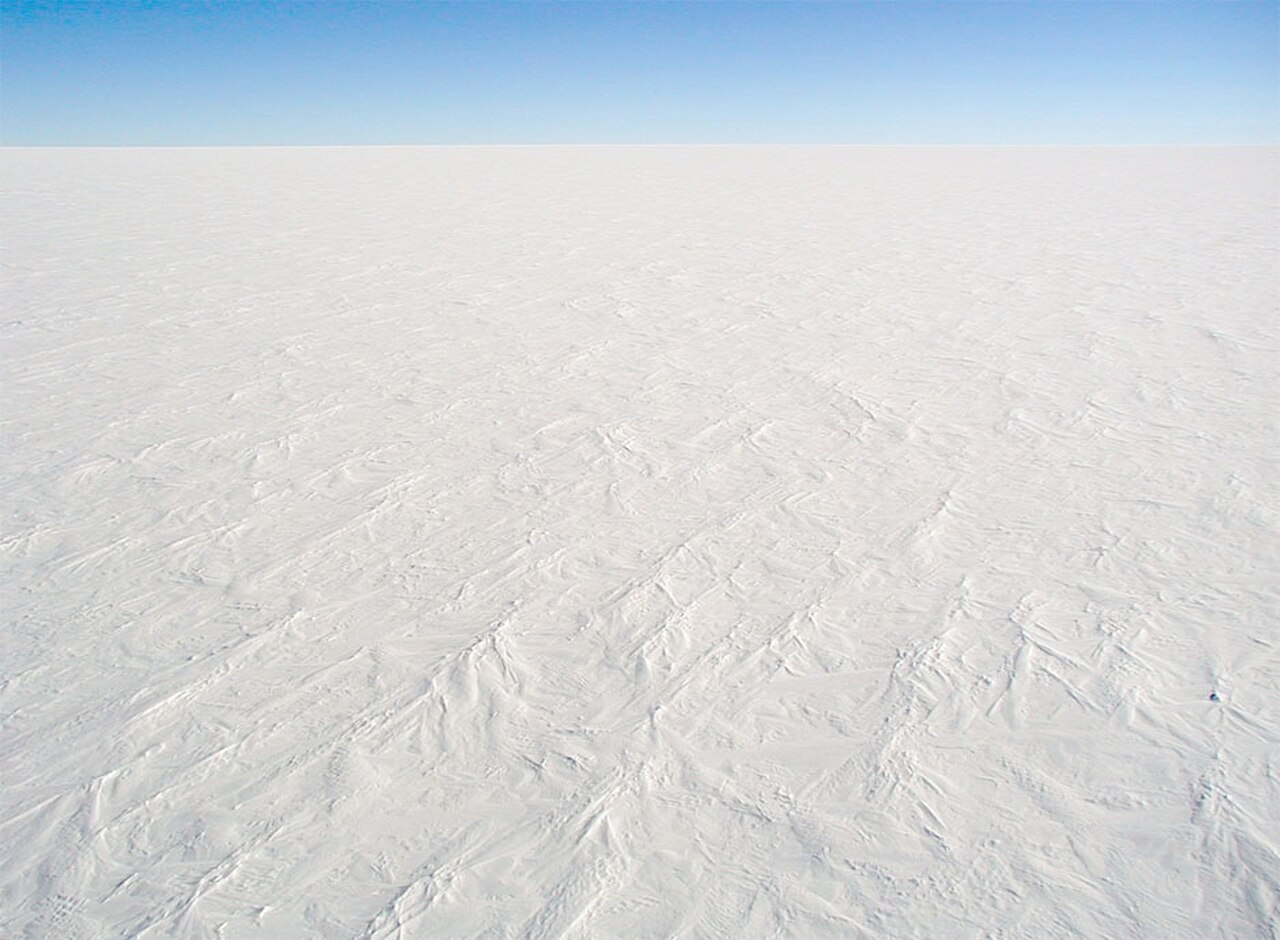
Antarctica is the largest desert on Earth, covering 14.2 million square kilometers. While it may seem counterintuitive to call a continent covered in ice a desert, Antarctica qualifies because its interior receives less than 50 millimeters of precipitation per year, far less than the Sahara.
This frozen continent holds approximately 70 percent of the world's fresh water locked in its ice sheet, which averages 2.16 kilometers thick. It is the coldest, driest, windiest, and highest continent on Earth, and it has no permanent human population.

Geography & Location
- Area: 14,200,000 km²
- Ice Sheet Volume: 26.5 million km³
- Average Elevation: 2,300 m (highest continent)
- Lowest Temperature: -89.2°C at Vostok Station
Antarctica is roughly centered on the South Pole and is surrounded by the Southern Ocean. The Transantarctic Mountains divide the continent into East Antarctica (the larger, higher ice sheet) and West Antarctica (a smaller, lower, and less stable ice sheet).
If all of Antarctica's ice melted, global sea levels would rise by approximately 58 meters, enough to submerge most coastal cities worldwide. The Bentley Subglacial Trench beneath the ice sheet reaches 2,555 meters below sea level, the lowest point on Earth not covered by ocean.
Climate
- Interior Precipitation: Less than 50 mm/year
- Average Temperature: -57°C interior, -10°C coast
- Wind Speeds: Up to 327 km/h recorded
- Sunlight: 24 hours in summer, 24 hours darkness in winter
Antarctica's interior is colder and drier than its coast. The South Pole averages minus 49 degrees Celsius year-round, while the Dry Valleys receive virtually no precipitation and are considered the driest places on Earth, with some areas not seeing rain or snow for nearly 2 million years.
Katabatic winds, caused by cold, dense air flowing downhill from the ice sheet, can reach extreme speeds. A wind gust of 327 kilometers per hour was recorded at Dumont d'Urville station. These winds can lower the effective temperature by 20 to 30 degrees below the actual air temperature.
Wildlife
- Penguin Species: Emperor, Adelie, Chinstrap, Gentoo, Macaroni
- Seal Species: 6 (including leopard seal, Weddell seal)
- Largest Animal: Blue whale (in surrounding waters)
- No Land Mammals: Largest permanent land animal is a midge (Belgica antarctica)
Antarctica has no land-based predators or mammals. The largest permanent land animal is the Antarctic midge (Belgica antarctica), a wingless fly just 6 millimeters long. All larger Antarctic animals depend on the ocean for food.
Emperor penguins are the most iconic Antarctic species. They breed during the harsh winter, with males incubating eggs on their feet for over two months in temperatures below minus 40 degrees and winds exceeding 200 kilometers per hour. The surrounding Southern Ocean supports an incredibly productive ecosystem based on krill.
Human History
- First Sighting: 1820 (Russian, British, and American expeditions)
- First South Pole: Roald Amundsen, December 14, 1911
- Antarctic Treaty: Signed 1959, protects the continent for science
- Research Stations: ~70 active stations from 30 countries
The race to the South Pole between Roald Amundsen and Robert Falcon Scott in 1911-1912 is one of the great dramas of exploration. Amundsen reached the pole on December 14, 1911, using dog sleds. Scott arrived 34 days later and perished with his entire party on the return journey.
The Antarctic Treaty of 1959, one of the most successful international agreements in history, designates Antarctica as a scientific preserve and bans military activity. Approximately 70 research stations from 30 countries operate on the continent, with a summer population of about 5,000 researchers.
Notable Features
- Dry Valleys: Ice-free for ~2 million years
- Lake Vostok: Subglacial lake, 250 km long
- Ozone Hole: Discovered 1985, recovering slowly
- Ice Cores: Climate records spanning 800,000 years
The McMurdo Dry Valleys are among the most extreme environments on Earth. Free of ice for nearly 2 million years, they receive so little moisture that the mummified remains of seals that wandered in centuries ago are still preserved on the valley floor.
Lake Vostok, buried under 4 kilometers of ice, is one of the largest subglacial lakes in the world. Isolated for millions of years, it may harbor unique microbial life. Ice cores drilled from the Antarctic ice sheet have provided invaluable climate data spanning 800,000 years, revealing the relationship between CO2 levels and temperature.
Key Facts
- Antarctica is the largest desert on Earth at 14.2 million square kilometers.
- Its interior receives less than 50 mm of precipitation per year, drier than the Sahara.
- If all Antarctic ice melted, sea levels would rise approximately 58 meters.
- The McMurdo Dry Valleys have not seen rain or snow for nearly 2 million years.
- Ice cores from Antarctica provide climate records going back 800,000 years.
Fun Facts
- The largest permanent land animal in Antarctica is a wingless midge only 6 mm long.
- Antarctica has an active volcano, Mount Erebus, that has a permanent lava lake.
- The Antarctic Treaty forbids military activity, mineral mining, and nuclear testing on the continent.
- Emperor penguin males lose up to 45% of their body weight while incubating eggs during the Antarctic winter.
Final Thoughts
Antarctica challenges our definition of a desert by being both the driest and the iciest place on Earth. As a scientific laboratory for understanding climate change, a refuge for extraordinary wildlife, and the last great wilderness, this frozen desert holds lessons critical to the future of our planet.
