
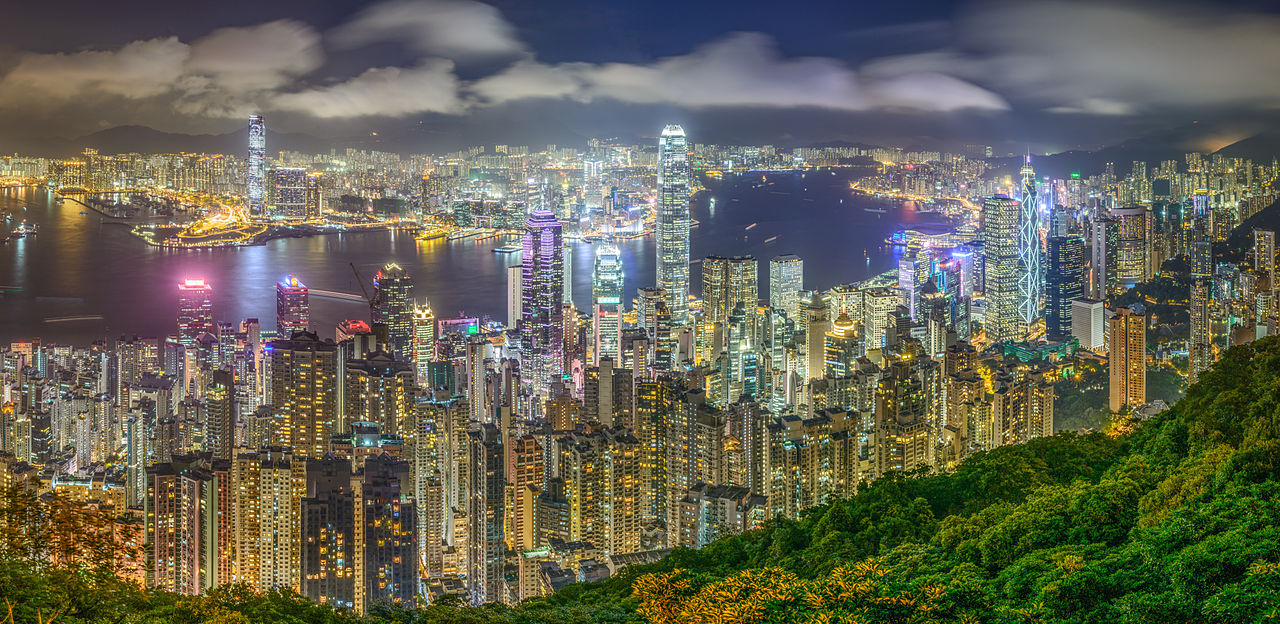
Hong Kong is a Special Administrative Region of China, with population of 7.5 million in just 1,114 km² — making it one of the world's most densely populated jurisdictions. The territory comprises Hong Kong Island, Kowloon Peninsula, the New Territories (the larger mainland portion), and 263 outlying islands. Hong Kong was a British colony from 1841 (following the Opium Wars) until July 1, 1997, when it was returned to China under the "One Country, Two Systems" framework. Hong Kong was guaranteed a high degree of autonomy for 50 years following handover (until 2047), with its own legal system, currency, and immigration controls separate from mainland China. This autonomy has been significantly curtailed since the famous 2020 National Security Law imposed by Beijing following the 2019-2020 pro-democracy protests — Hong Kong's political character has shifted significantly, though daily tourism experience remains largely similar to pre-2020 conditions. The territory has subtropical maritime weather with four distinct seasons compressed into a small geographic area.
Major attractions include the famous Victoria Peak (the famous mountain on Hong Kong Island with the iconic skyline view via the famous Peak Tram funicular operating since 1888 — the famous "Sky Terrace 428" observation deck at 428 m elevation), Victoria Harbour (the famous deep-water harbor between Hong Kong Island and Kowloon — with the famous "Symphony of Lights" nightly multimedia show — the world's largest permanent light and sound show), the famous Tsim Sha Tsui Promenade (with the famous Avenue of Stars commemorating Hong Kong cinema), Star Ferry (the famous historic ferry service operating since 1888 — National Geographic ranked it among 50 places to see in a lifetime), the famous Big Buddha at Po Lin Monastery on Lantau Island (the famous 34 m bronze Tian Tan Buddha — accessed via the famous 5.7 km Ngong Ping 360 cable car), Lantau Island (Hong Kong's largest island with Hong Kong Disneyland, Hong Kong International Airport, and extensive hiking), Hong Kong Disneyland (the famous theme park opened 2005), Ocean Park (the famous original Hong Kong theme park combining marine animals with amusement park rides), the famous Wong Tai Sin Temple (the famous Taoist temple — the famous "fortune-telling temple"), the famous Man Mo Temple (in Sheung Wan — the famous incense-coil-burning temple), the famous Sik Sik Yuen Wong Tai Sin Temple, the famous Hong Kong Skyline at night (consistently ranked among the world's most beautiful skylines), the famous "Cheung Chau" outlying island (with the famous Cheung Chau Bun Festival in May featuring the famous Bun Tower climbing competition — UNESCO Intangible Cultural Heritage), the famous Lamma Island (the famous laid-back outlying island), the famous Sai Kung district (the famous fishing community and "back door" to Hong Kong's UNESCO Geopark with extensive hiking), the famous Mong Kok and Temple Street Night Markets, the famous Hong Kong Park and Hong Kong Zoological and Botanical Gardens, the famous Repulse Bay (the famous beach on Hong Kong Island), Stanley Market (the famous waterfront shopping area), and the famous Hong Kong Wetland Park.
Quick verdict
Best overall: Mid-October through early December (the famous "cool dry season" with comfortable temperatures, low humidity, clear skyline visibility — Hong Kong's universal best window).
Best for budget travelers: June and September (excluding active typhoon weeks).
Best for Chinese New Year (Lunar New Year) cultural experience: Late January-February (varies by lunar calendar). Book accommodation 4-6 months ahead.
Best for the famous outlying islands and hiking (Lantau, Cheung Chau, Lamma, Sai Kung): October-March (avoiding summer heat).
Best for the famous Cheung Chau Bun Festival (UNESCO Intangible Cultural Heritage): Early May.
Best for the famous Hong Kong Wine and Dine Festival: Late October-early November.
Best for the famous Mid-Autumn Festival lanterns at Victoria Park: Mid-September-early October (varies by lunar calendar).
Best for the famous Dragon Boat Festival ("Tuen Ng" — international Dragon Boat Races): Early June (varies by lunar calendar).
Best for the famous Hong Kong Sevens Rugby Tournament: Early April.
Best for the famous Symphony of Lights nightly show: Year-round at 8 PM nightly from Victoria Harbour.
Best for Hong Kong Disneyland (lowest crowds): Mid-September-mid-November (avoiding holidays) and mid-January-mid-February (excluding Chinese New Year).
Best for the famous Hong Kong Marathon: Mid-January-mid-February.
Best for shopping (the famous twice-yearly major sales): July-August (summer sales) and December-January (winter sales).
Avoid if you can: July-September peak typhoon weeks (when Tropical Cyclone Signal 8+ shuts the city down); March-April spring fog ("mist" obscuring skyline views from Victoria Peak); Chinese New Year week itself if expecting normal business (many family-run shops close 3-5 days).
Autumn (mid-October through December) — peak season
Mid-October through early December is genuinely Hong Kong's best window. Daytime 22-27 °C with comfortable evenings (16-20 °C), low humidity (60-75%), and the famous "Hong Kong autumn clarity" producing the city's best skyline visibility. The famous Victoria Harbour views from Tsim Sha Tsui Promenade and Sky Terrace at the Peak reach their clearest. Crowds are heavy but manageable. Hong Kong's extensive restaurant scene is at full operation. The famous Hong Kong Wine and Dine Festival (late October-early November) at the Central Harbourfront brings major culinary tourism.
November is excellent — arguably the single best month. Slightly cooler (18-23 °C), low humidity (50-65%), bright sunny days dominate. The famous outlying island hiking (Lantau's Wisdom Path, Cheung Chau perimeter, Lamma Family Trail, Sai Kung's Tai Long Wan beach trail) reaches ideal conditions. The famous MacLehose Trail (the famous 100 km hiking route across the New Territories) provides peak conditions.
December has Christmas decorations along Tsim Sha Tsui Promenade, Times Square in Causeway Bay, Central, and IFC Mall. Cool weather (16-21 °C) but generally comfortable. Hotel rates climb around Christmas-New Year. The famous Hong Kong New Year fireworks at Victoria Harbour draw 200,000+ spectators on December 31.
Winter (January-February) — cool, dry, with Chinese New Year
January and February are cool — 14-18 °C daytime, sometimes dropping below 10 °C overnight. The famous Hong Kong winter atmosphere is genuine — sweaters and coats, hot Cantonese hot pot, comfort soups, the famous "hot pot" dim sum dining culture. The famous Hong Kong Marathon (mid-January-mid-February) brings concentrated running tourism.
Chinese New Year (Lunar New Year, varies late January-mid-February by lunar calendar) is the city's biggest cultural event. Major celebrations include the famous Cathay Pacific International Chinese New Year Night Parade through Tsim Sha Tsui (with elaborate floats from international and Hong Kong delegations), massive fireworks over Victoria Harbour, lion and dragon dances throughout the city, the famous Victoria Park Lunar New Year Fair with traditional flowers and food, and extensive temple visits (Wong Tai Sin Temple and Che Kung Temple are especially crowded for the famous "first incense" New Year tradition). Hotel rates triple in some areas. Many family-run businesses close 3-5 days around the holiday itself.
Spring (March-May) — hot, humid, foggy
March and April are the city's most humid months. Daytime 18-25 °C, but humidity often above 85%. The famous "April mist" can severely limit Victoria Peak visibility — some weeks see almost no clear skyline views. Showers are frequent. The famous Hong Kong Sevens Rugby Tournament (early April) brings major sports tourism with international rugby fans creating extensive party atmosphere.
May is hot and humid (22-29 °C). The famous Cheung Chau Bun Festival (UNESCO Intangible Cultural Heritage, varies by lunar calendar, typically early May) on Cheung Chau Island provides one of Hong Kong's most distinctive cultural events — the famous "Bun Tower Climb" sees competitors race up bamboo-and-bun towers; the famous "Floating Children" parade features children carried on metal frames creating illusion of floating. Mid-May brings the start of the rainy season.
Summer (June-September) — hot, wet, typhoon-prone
Summer Hong Kong is hot (28-33 °C with extreme humidity 85-95%, feels-like temperatures regularly 38-42 °C). Daily afternoon thunderstorms typical. Typhoon season is at peak — typhoons can shut the city down for 1-2 days at a time. The famous Hong Kong Observatory tropical cyclone warning system uses signals 1, 3, 8, 9, and 10 with successively greater impact. Signal 8 or above typically means most businesses close, public transit limited, and outdoor activities suspended. The famous typhoons Mangkhut (2018) and Hato (2017) brought significant damage.
The famous Hong Kong Dragon Boat Festival (early June, varies by lunar calendar) brings significant atmosphere with international dragon boat races at multiple harbor venues. The famous Mid-Autumn Festival (mid-September-early October, varies) features the famous lantern displays at Victoria Park, the famous mooncake culinary tradition, and the famous Fire Dragon Dance in Tai Hang (3-day September celebration with a 67 m dragon-shaped frame carrying 12,000+ burning incense sticks). Hotel rates drop notably from peak. Summer "Hong Kong Summer Spectacular" provides indoor mall-focused tourism programming.
Festivals & cultural events
Chinese New Year (varies January-February): Major cultural celebration.
Hong Kong Sevens Rugby Tournament (early April): Major sports event.
Cheung Chau Bun Festival (early May): UNESCO Intangible Cultural Heritage.
Dragon Boat Festival (early June): Major traditional event.
Mid-Autumn Festival (mid-September-early October): Major lantern festival.
Tai Hang Fire Dragon Dance (around Mid-Autumn Festival): Distinctive cultural tradition.
Hong Kong Wine and Dine Festival (late October-early November): Major food event.
Hong Kong Marathon (mid-January-mid-February): Major sports event.
Hong Kong New Year Fireworks (December 31): Major celebration.
National Day fireworks (October 1): Major celebration of PRC National Day.
Hong Kong International Film Festival (March-April): Major film event.
Cultural and practical notes
Cantonese is the primary local language with English widely spoken throughout business and tourism contexts (Hong Kong's colonial history makes English communication far easier than in mainland China). Mandarin increasingly common since 1997 handover. Hong Kong Dollar (HKD) is the currency, pegged to USD at approximately 7.8 HKD per USD. Tipping not customary (10% service charge often added). The famous Octopus card provides convenient transit and small-purchase payment. Hong Kong dim sum culture, Cantonese cuisine, and the famous "yum cha" (drinking tea / dim sum lunch) tradition provide essential cultural experiences. The famous "wet markets," tea houses, and family-style Cantonese restaurants offer authentic local experiences alongside Hong Kong's renowned international dining.
Practical considerations
Hong Kong International Airport (HKG) at Chek Lap Kok on Lantau Island is one of the world's largest airports — the famous Airport Express train provides 24-minute service to Hong Kong Central. Hong Kong's MTR (subway), Star Ferry, double-decker trams (Hong Kong Island only), and buses provide excellent transit coverage. The famous "Cathay Pacific" is Hong Kong's flag carrier. Hong Kong-Macau ferries provide 1-hour service to nearby Macau. Hong Kong-mainland China crossings via the Hong Kong-Zhuhai-Macau Bridge (opened 2018, 55 km), Lo Wu, Lok Ma Chau, and high-speed rail to Guangzhou-Shenzhen provide multiple options. Verify current Chinese visa requirements for mainland China side trips.
Traveler-type advice
First-time visitors: Mid-October through November.
Chinese New Year cultural travelers: Late January-mid-February.
Hiking and outlying island travelers: October-March.
Family travelers (Disneyland, Ocean Park): October-November or mid-January-February (avoiding holidays).
Cultural travelers (Cheung Chau Bun Festival): Early May.
Food travelers (Wine and Dine Festival): Late October-early November.
Sports travelers (Rugby Sevens): Early April.
Photography travelers (skyline): Mid-October through early December.
Budget travelers: June (avoiding typhoons) or September.
Stopover travelers: Year-round — HKG-to-city is 24 minutes via Airport Express.
Combined Hong Kong + Macau travelers: October-March for combined dry season.
Bottom line
Hong Kong's brief autumn window from mid-October through early December delivers the city at its absolute best — clear skyline, comfortable temperatures, full operations, manageable crowds. The spring fog (March-April) and summer typhoons (June-September) limit other seasons significantly. Chinese New Year provides a uniquely Hong Kong cultural experience worth specifically planning around. Allow 3-4 days for Hong Kong-focused visits; 5-7 days for combined Hong Kong + outlying islands + Macau exploration.