
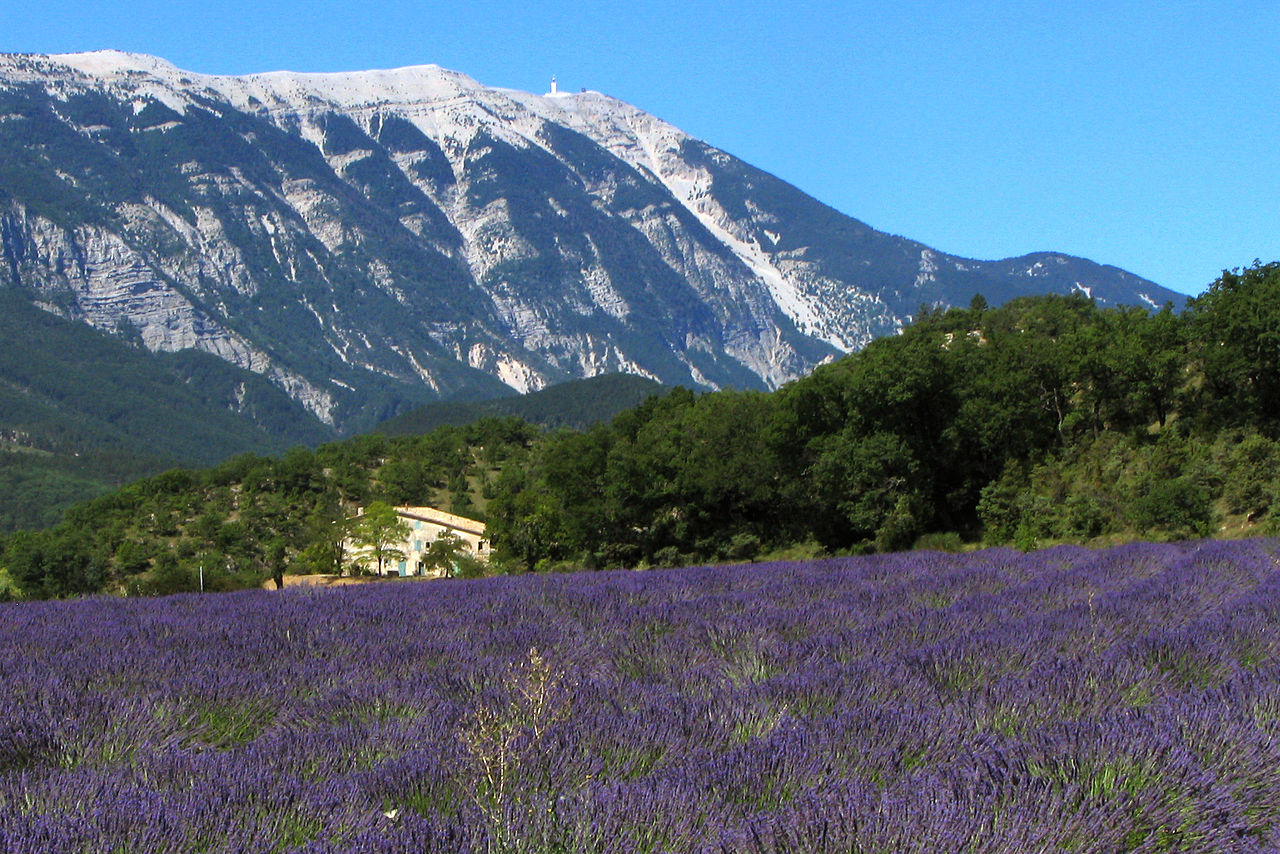
France has four distinct climate zones: an oceanic climate along the Atlantic coast and Paris basin (Köppen Cfb), a Mediterranean climate on the south coast and Corsica (Csa), a continental climate across the eastern interior (Dfb), and an alpine climate in the Alps and Pyrenees (ET/Dfc). It is the only country in Europe to contain all four major Western European climate types within its mainland borders. Temperatures range from a January average near 5°C in Paris to August highs of 28–32°C on the Riviera, and Nice basks in roughly 2,700 hours of sunshine a year — almost double the capital.
The four climate zones
Each of France's climates is shaped by a different mix of latitude, distance from the Atlantic, mountain barriers, and the warming Mediterranean Sea.
- Oceanic (Cfb) — Brittany, Normandy, the Loire Valley, the Paris basin, and the southwest coast. Mild winters (5–8°C), cool summers (17–22°C), and rain spread evenly through the year (700–1,200 mm) under frequent Atlantic cloud. Brest, Nantes, Bordeaux, Rennes, and Paris all belong here.
- Mediterranean (Csa) — the Côte d'Azur, Provence, Languedoc, and most of Corsica. Hot, virtually rain-free summers (25–30°C), mild wet winters (8–12°C), and 2,500–2,900 sunshine hours a year, the most in France. Nice, Marseille, Montpellier, and Ajaccio define this zone.
- Continental (Dfb) — Alsace, Lorraine, Burgundy, and Champagne. Colder winters than the coast (1–4°C with regular frost), warm summers (19–25°C), and 600–900 mm of rain. Strasbourg, Nancy, Reims, and Dijon sit here; Lyon is semi-continental.
- Alpine (ET/Dfc) — the Alps, Pyrenees, Massif Central, Vosges, and Jura. Heavy winter snowfall of 5–10 metres a season at resort altitude, sub-zero winters, and short cool summers. Chamonix, Val d'Isère, and Tignes are typical.
City-by-city comparison
The clearest way to picture France's climate is to set its cities side by side, using Météo-France climate normals (1991–2020):
- Paris — January 5°C / July 20°C, 640 mm of rain, 1,660 sunshine hours. Mild grey winters and warm but rarely hot summers.
- Lyon — January 4°C / July 23°C, 830 mm, 2,000 hours. A bridge between oceanic and continental, with warmer summers and colder winters than Paris.
- Marseille — January 8°C / July 25°C, 520 mm, 2,860 hours. Properly Mediterranean, with hot dry summers and the Mistral wind.
- Nice — January 9°C / July 24°C, 770 mm, 2,700 hours. Sheltered by the Maritime Alps, so its winters are milder than Marseille's.
- Bordeaux — January 6°C / July 22°C, 980 mm, 2,000 hours. Atlantic-mild, with summers warm enough to ripen world-class wine.
- Strasbourg — January 1°C / July 21°C, 660 mm, 1,700 hours. The coldest major French city in winter.
- Brest — January 7°C / July 17°C, 1,140 mm, 1,600 hours. The coolest summers and the rainiest skies of any large French city.
The seasons across France
The north–south contrast widens and narrows with the calendar. Spring (March–May) is one of the loveliest seasons: Paris and the Loire are mild at 10–18°C, the south warms quickly toward swimming temperatures by late May, and the Alps still hold skiable snow above 2,000 metres. Summer (June–August) splits the country sharply — the north stays pleasant at 20–26°C while the Mediterranean coast turns reliably hot and dry, with sea temperatures around 24°C in August. Heatwaves, known as canicules, have grown more frequent, with record-breaking events in 2003, 2019, 2022, and 2023. Autumn (September–November) opens with warm, uncrowded September days and the wine harvest, before October vineyard colour and the first Atlantic storms arrive. Winter (December–February) shows the biggest differences of all: Brest sits near 7°C and rainy, Strasbourg can drop below freezing with snow, Paris hovers around 5°C under grey skies, Nice stays bright near 10°C, and Chamonix is sub-zero and skiable.
The famous winds
France's regional winds are part of its climate identity, and several have names known across the country.
- Mistral — a cold, dry north-to-south wind that funnels down the Rhône valley between the Alps and the Massif Central. It can blow 60–100 km/h for days, clears the sky to a brilliant Provençal blue, and shaped local architecture with low buildings and windbreak cypresses.
- Tramontane — the Mistral's cousin, blowing northwest to southeast across Languedoc-Roussillon out of the Pyrenees. Same character: cold, dry, and persistent.
- Autan — a warm, dry southeasterly across Toulouse and the Aquitaine basin that can lift winter temperatures above 20°C.
- Sirocco — an occasional hot, dust-laden flow that carries Saharan air into the south, turning skies orange and dusting cars with fine red sand.
A changing climate
France is warming faster than the global average, especially in summer. Its all-time national temperature record of 46.0°C was set at Vérargues in the Hérault on 28 June 2019, beating the previous 2003 mark by 1.8°C, and multi-day 40°C events are no longer rare. In the Alps, the Mer de Glace above Chamonix has retreated dramatically since the 1970s, losing hundreds of metres of length. Mediterranean rainfall is concentrating into fewer but more intense storms, raising flood risk in Languedoc and the Cévennes, while warmer summers have lifted Champagne quality but stressed traditional Bordeaux and Languedoc grape varieties, pushing growers toward heat-tolerant vines. For a wider picture of the country's geography and regions, see our france country guide.
Frequently Asked Questions
What kind of climate does France have?
France has four distinct climate zones — oceanic on the Atlantic coast (mild and rainy), Mediterranean in the south (hot dry summers, mild winters), continental in the east (colder winters, warmer summers), and alpine in the mountains. It is the only European country with all four mainland climates.
Is France hot or cold?
Both, depending on where and when. Paris in winter can sit near freezing while the Riviera stays around 9–12°C. In summer Paris averages 20°C, the Mediterranean reaches 25–28°C and often tops 35°C in heatwaves, and the high Alps stay sub-zero year-round above 2,500 metres.
Which part of France has the best weather?
For sunshine, the Mediterranean coast wins — Marseille and Nice both record more than 2,700 sunshine hours a year. For mild year-round temperatures, the Atlantic coast around La Rochelle and Biarritz is hard to beat, while Bordeaux offers the most balanced weather for wine country.
When is the best time to visit France?
May–June and September are usually ideal almost everywhere: warm, long days with manageable crowds. For skiing in the Alps, choose mid-December through mid-April, and for Provence's lavender bloom aim for late June into mid-July.