

The Connecticut River is the longest river in New England, flowing 410 miles from the Fourth Connecticut Lake near the Canadian border in northern New Hampshire south through Vermont, Massachusetts, and Connecticut to Long Island Sound at Old Saybrook. For most of its length, it forms the border between New Hampshire and Vermont.
Introduction
The river's name comes from the Mohegan-Pequot word "Quinnehtukqut," meaning "beside the long tidal river." For over 12,000 years, Indigenous peoples lived along its fertile floodplains. In the colonial era, the Connecticut Valley became one of the most productive agricultural regions in North America, and the river powered the mills that launched America's Industrial Revolution.
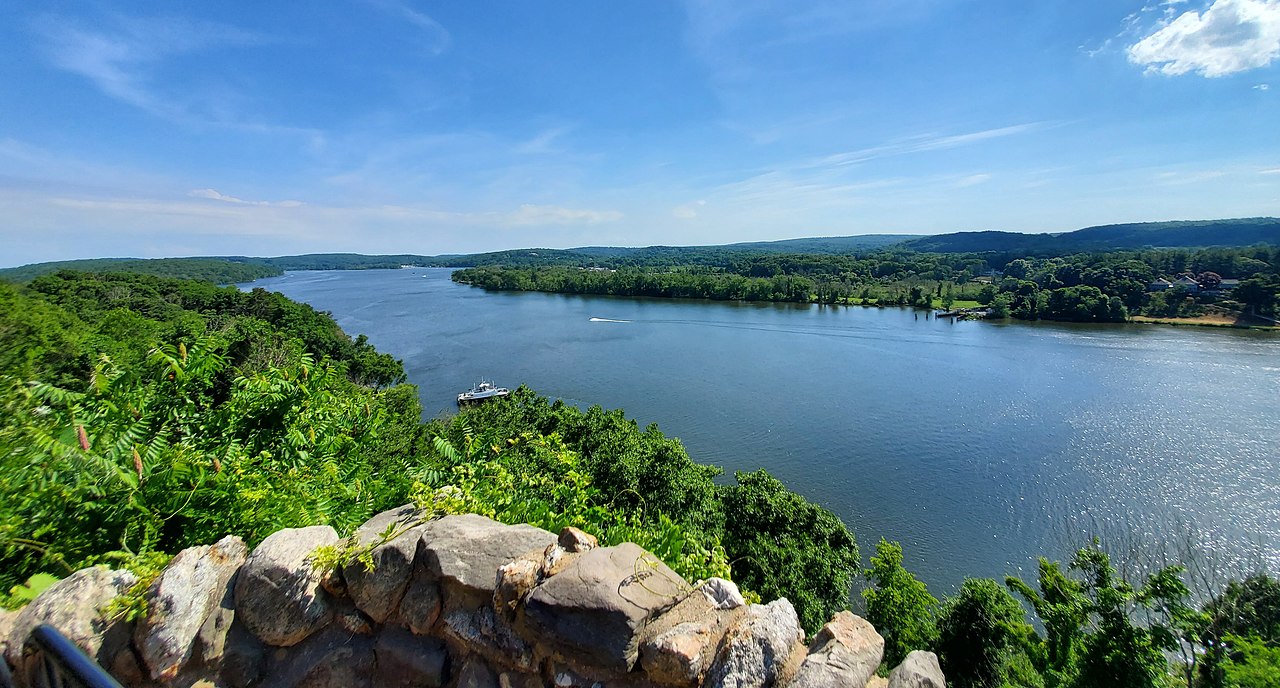
Geography & Dimensions
- Length: 410 miles (660 km)
- Drainage Basin: 11,260 sq miles (4 states)
- Average Discharge: 16,600 cu ft/s at mouth
- Source: Fourth Connecticut Lake, New Hampshire
The Connecticut River rises at Fourth Connecticut Lake, a small pond just south of the Canadian border in the remote North Country of New Hampshire. It flows south through the Connecticut Lakes region, one of the most pristine and undeveloped areas in New England, before entering the broad valley that bears its name.
The Connecticut Valley is a structural depression — a rift valley formed during the breakup of the supercontinent Pangaea roughly 200 million years ago. The valley's flat, fertile floodplains, created by thousands of years of sediment deposition, contrast sharply with the rugged hills and mountains that flank it. Dinosaur tracks preserved in the valley's red sandstone are among the finest in the world and document life during the early age of dinosaurs.
History & Industry
- Indigenous Peoples: Abenaki, Pocumtuck, Mohegan, Pequot
- Colonial Settlement: Hartford, Springfield, and other towns founded 1630s
- Industrial Revolution: Springfield Armory, mill towns along the river
- Tobacco: Connecticut Valley shade tobacco, premium cigar wrappers
The Connecticut Valley was one of the first regions settled by English colonists outside the coastal zone. Hartford, Springfield, and other towns were founded along the river in the 1630s, drawn by the valley's fertile soils. The Connecticut colony adopted the Fundamental Orders in 1639, sometimes called the first written constitution in Western history, which influenced the US Constitution.
The river powered the mills that launched America's Industrial Revolution. The Springfield Armory, established in 1777, became the nation's primary weapons manufacturer and pioneered interchangeable parts and precision manufacturing. Mill towns like Holyoke, Turners Falls, and Windsor Locks harnessed the river's power for paper, textiles, and manufacturing. Connecticut Valley shade tobacco, grown under gauze tents to produce thin, even leaves, became the premier cigar wrapper tobacco in the world.
Ecology & Wildlife
- Atlantic Salmon: Restoration efforts ongoing since 1967
- Bald Eagles: Growing nesting population
- Migratory Fish: Shad, alewife, sea lamprey returning
- Tidal Marshes: Important habitat at the river's mouth
The Connecticut River was once home to enormous runs of Atlantic salmon, shad, and other migratory fish. Dams built for mills and power generation blocked these runs, and salmon were eliminated from the river by the early 19th century. A restoration program begun in 1967 has spent hundreds of millions of dollars on fish ladders, hatcheries, and habitat restoration, but Atlantic salmon recovery has been largely unsuccessful — a sobering lesson in the difficulty of restoring extirpated species.
The Connecticut River Estuary at its mouth is one of the most ecologically significant tidal wetland complexes in the northeastern United States. Designated as a "Wetland of International Importance" under the Ramsar Convention, the estuary supports migratory birds, horseshoe crabs, and nursery habitat for commercial fish species. The tidal marshes filter water, buffer storms, and store carbon, providing ecosystem services valued at millions of dollars annually.
Pollution & Cleanup
- Raw Sewage: Major cities discharged directly into the river until 1970s
- Clean Water Act: Triggered massive cleanup effort
- PCBs: General Electric contamination in the upper valley
- Recovery: River now swimmable and fishable in most sections
By the mid-20th century, the Connecticut River was an open sewer. Hartford, Springfield, Holyoke, and dozens of smaller cities discharged raw sewage directly into the river. Industrial pollutants, including PCBs from General Electric facilities in the upper valley, contaminated sediments and fish. The river was so polluted that touching the water was considered a health hazard.
The Clean Water Act of 1972 triggered a dramatic cleanup. Billions of dollars invested in sewage treatment and industrial pollution controls transformed the Connecticut from one of New England's most polluted rivers into one of its cleanest. By the early 2000s, the river was again swimmable and fishable along most of its length. The Connecticut was designated a National Blueway in 2012, recognizing its ecological and recreational value.
Challenges & Future
- Dam Removal: Several small dams removed, more planned
- Combined Sewer Overflows: Storm events still trigger raw sewage discharges
- Invasive Species: Water chestnut, Asian clams, variable-leaf milfoil
- Climate Change: More intense storms and warmer water temperatures
Combined sewer overflows remain a significant problem in older Connecticut Valley cities. During heavy rainstorms, combined sewer systems that carry both sewage and stormwater overflow directly into the river, releasing raw sewage. Hartford, Springfield, and other cities are investing billions in infrastructure upgrades to reduce these overflows, but eliminating them entirely is decades away.
Climate change is altering the Connecticut River's hydrology. Warmer temperatures are reducing ice cover, shifting spring snowmelt earlier, and intensifying summer storms. These changes affect fish spawning, flooding patterns, and water quality. Invasive species, particularly water chestnut, which forms dense mats on the river's surface, threaten native ecosystems and impede recreation. Managing the Connecticut River in a changing climate requires coordination across four states and dozens of municipalities.
Key Facts
- The Connecticut River is New England's longest river at 410 miles.
- It flows through four states: New Hampshire, Vermont, Massachusetts, and Connecticut.
- The Connecticut Valley was a cradle of the American Industrial Revolution.
- The river's cleanup from severe pollution is a major environmental success story.
- The Connecticut River Estuary is a wetland of international importance.
Fun Facts
- The Connecticut Valley contains some of the finest dinosaur track sites in the world, preserved in 200-million-year-old sandstone.
- The Fundamental Orders of Connecticut (1639), adopted by river towns, are sometimes called the first written constitution in the Western world.
- Connecticut Valley shade tobacco, grown under gauze tents, is the most expensive tobacco per acre in the United States.
- Fourth Connecticut Lake, the river's source, is so remote that it was the subject of a border dispute between the US and Canada that wasn't resolved until 1842.
Final Thoughts
The Connecticut River is the thread that ties New England together — a river that has sustained Indigenous peoples, powered the Industrial Revolution, suffered catastrophic pollution, and staged a remarkable recovery. Its story is New England's story in miniature, and its future health depends on the commitment of four states and millions of residents.
Test Your Knowledge!
Think you know America's rivers? Try our interactive quiz!
Play Geography Games →