
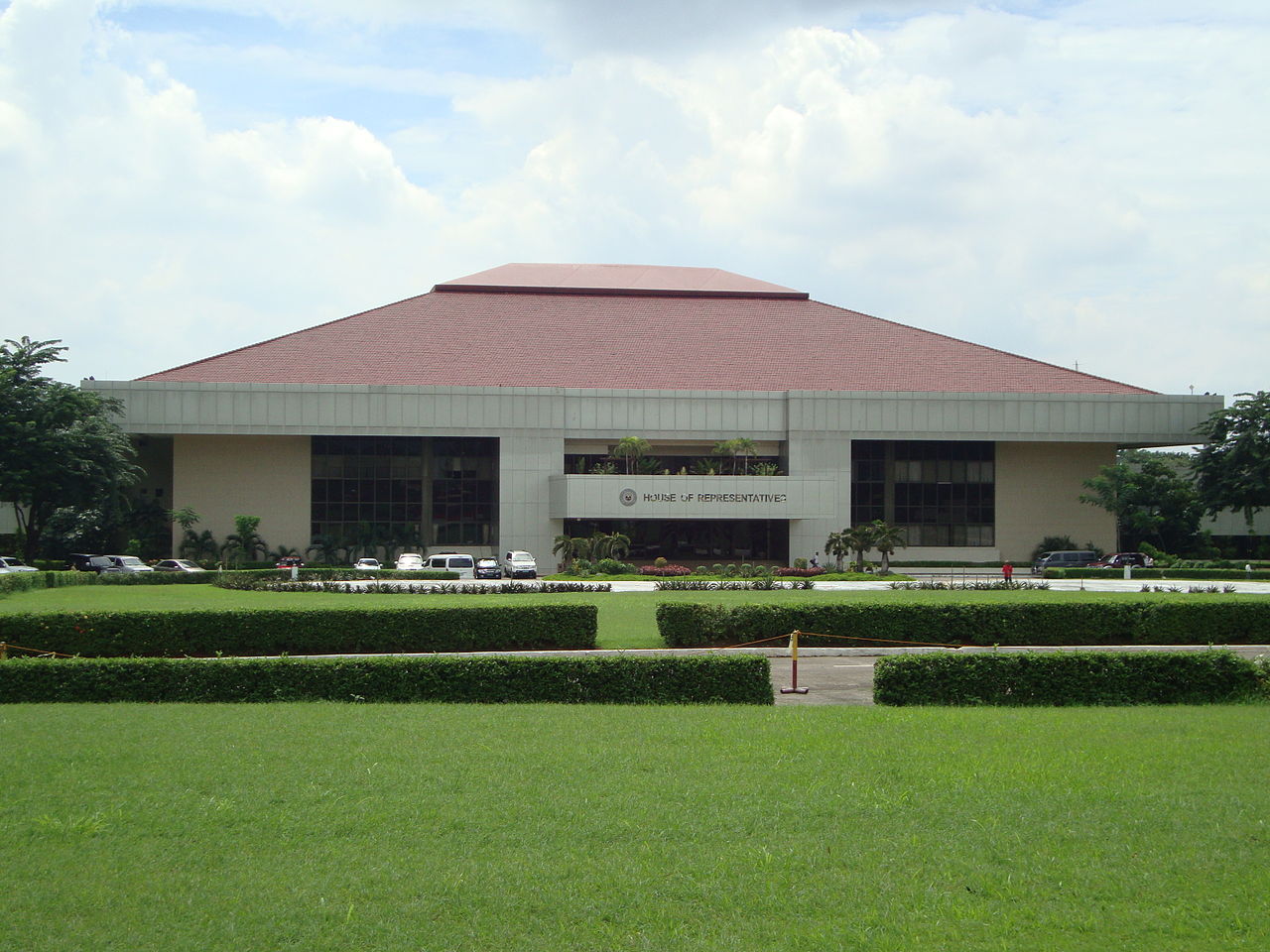
The Philippines is a unitary presidential constitutional republic, in which a directly elected President serves as both head of state and head of government, working alongside a bicameral legislature called the Congress and an independent Supreme Court. This three-branch structure, defined by the 1987 Constitution, closely mirrors the American model the country inherited during nearly five decades of US rule.
The Presidential System
At the centre of Philippine government is the President, who is elected directly by popular vote for a single six-year term and is constitutionally barred from re-election. This one-term limit is one of the most distinctive features of the system, designed specifically to prevent any leader from entrenching themselves in power. The President holds executive authority, commands the armed forces, conducts foreign policy, and appoints cabinet secretaries and other senior officials.
Unusually, the Vice President is elected separately rather than on a joint ticket. This means the President and Vice President can, and frequently do, come from rival parties, an arrangement found nowhere else in Asia. The Vice President also serves a six-year term but, unlike the President, may be re-elected once. If the presidency falls vacant, the Vice President succeeds to the office.
The Congress: Senate and House
Legislative power rests with a bicameral Congress. The upper chamber, the Senate, has 24 members elected nationwide for six-year terms, with half the seats contested every three years to stagger turnover. Senators may serve no more than two consecutive terms. Because they are elected by the entire country, senators often build national profiles and a Senate seat is widely seen as a launching pad for presidential ambitions.
The lower chamber, the House of Representatives, has roughly 300 members serving three-year terms. Most are district representatives elected from local constituencies, but around one-fifth of the seats are filled through a party-list system. This mechanism reserves representation for marginalised and under-represented sectors, including labourers, farmers, fisherfolk, indigenous peoples, women, and youth, giving smaller advocacy groups a foothold in national lawmaking.
The Judiciary and Constitutional Bodies
The Supreme Court sits at the apex of the judicial branch and wields the power of judicial review, allowing it to strike down laws or executive actions it finds unconstitutional. It is composed of a Chief Justice and 14 Associate Justices, all appointed by the President from a shortlist prepared by the Judicial and Bar Council. Justices serve until the mandatory retirement age of 70, insulating them from electoral cycles.
Beyond the three main branches, the Constitution establishes several independent bodies to safeguard democracy. The Commission on Elections (COMELEC) administers and supervises all elections, the Commission on Audit reviews government spending, and the Civil Service Commission oversees the bureaucracy. An independent Ombudsman investigates corruption and abuse by public officials.
From Colony to Constitutional Republic
The roots of today's government run deep. The Philippines declared independence from Spain in 1898, only to fall under American colonial rule until full sovereignty was granted on 4 July 1946. The democratic order was interrupted in 1972 when President Ferdinand Marcos declared martial law and ruled as a strongman for the next 14 years. His regime ended in February 1986, when the peaceful People Power (EDSA) Revolution swept him from office and restored democracy.
In response to that authoritarian experience, the framers drafted the 1987 Constitution with deliberate safeguards: the single presidential term, congressional term limits, a robust Bill of Rights, and strong independent commissions. The capital, Manila, houses the seat of national government, including Malacañang Palace, the official residence and principal workplace of the President. For more on the nation's geography, culture, and history, see our philippines country guide.
Elections and Political Culture
Filipinos elect their president and senators every six years and their representatives and local officials every three years, producing frequent and energetic campaign seasons. Voter turnout is consistently high, and elections are vivid, personality-driven affairs. Political dynasties remain a defining feature: many provinces and cities have been governed by the same families for generations, and surnames often carry more electoral weight than party platforms. The country maintains a free and active press, though the safety of journalists remains an ongoing concern.
Frequently Asked Questions
What type of government does the Philippines have?
The Philippines is a unitary presidential constitutional republic. Executive power is held by an elected President, legislative power by a bicameral Congress, and judicial power by an independent Supreme Court.
Who is the head of state of the Philippines?
The President is both head of state and head of government, elected directly by the people for a single, non-renewable six-year term.
How is the Philippine Congress structured?
Congress has two chambers: a 24-member Senate elected nationwide for six-year terms, and a House of Representatives of about 300 members elected for three-year terms, including party-list seats for marginalised sectors.
Why can the President and Vice President be from different parties?
Because they are elected separately rather than as a single ticket, voters can split their choices. This makes the Philippines the only country in Asia where the two top officials may belong to opposing parties.