
The Great Wall of China has an official total length of 21,196.18 kilometers (13,170 miles), according to a comprehensive survey completed by China's State Administration of Cultural Heritage in 2012. This figure includes all sections of wall, trenches, natural defensive barriers, and branches built by multiple dynasties over more than 2,000 years.
Introduction
The most famous and best-preserved sections, built during the Ming Dynasty (1368-1644), account for 8,851 kilometers. These are the iconic stone-and-brick walls with watchtowers that most visitors see near Beijing. But the full Great Wall system is far more extensive, including earlier walls of rammed earth, some dating back to the 7th century BCE.
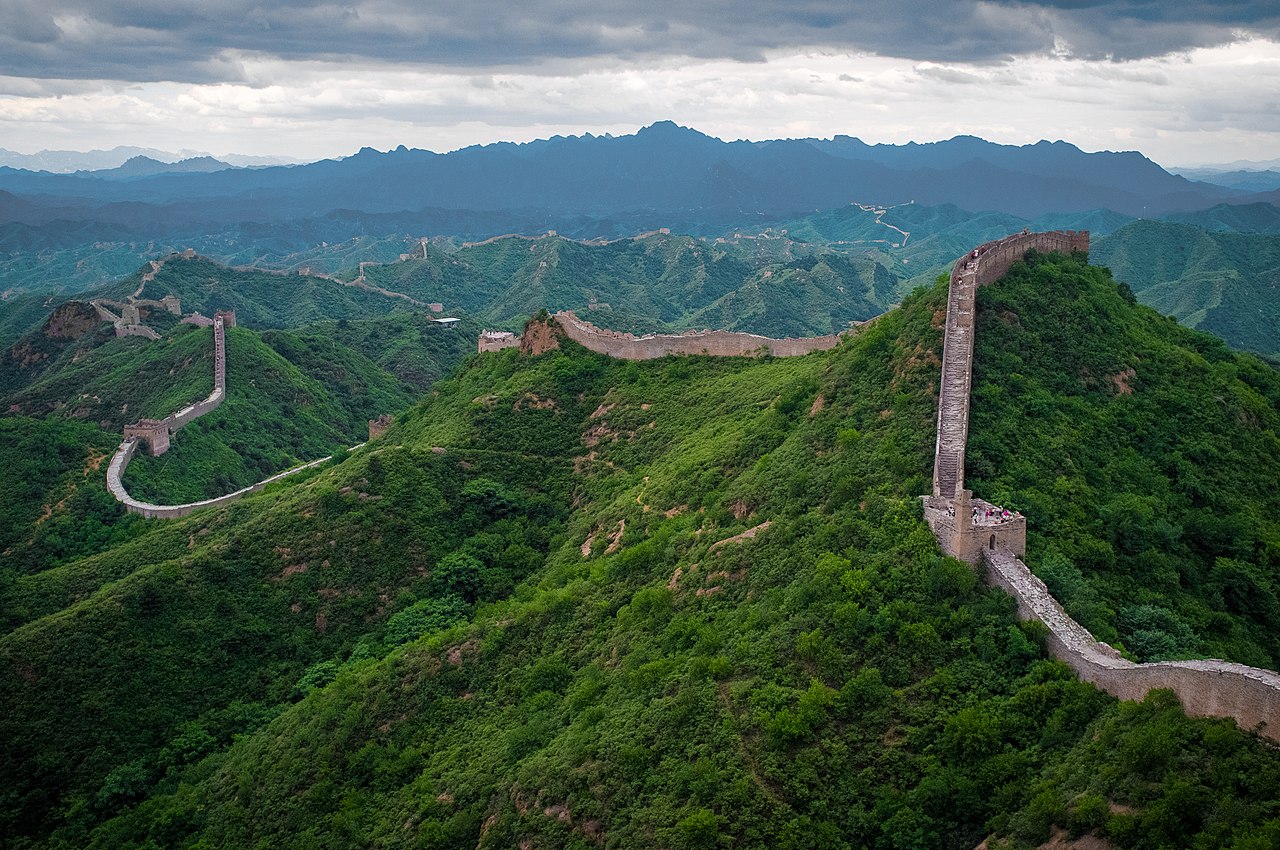
The Short Answer
- Total Length (All Dynasties): 21,196 km (13,170 miles)
- Ming Dynasty Wall: 8,851 km (5,500 miles)
- Actual Wall Structure: 6,259 km of the Ming wall
- Trenches & Natural Barriers: The remainder uses rivers, mountains, and ditches
The 21,196 km figure represents the cumulative length of all walls ever built as part of the Great Wall defense system, from the Warring States period (7th century BCE) through the Ming Dynasty (17th century CE). Many sections overlap, parallel each other, or represent walls that were rebuilt in different locations by successive dynasties.
Of the Ming Dynasty's 8,851 kilometers, approximately 6,259 kilometers are actual constructed wall. The remainder consists of trenches (359 km) and natural defensive barriers such as rivers and steep hills (2,233 km) that were incorporated into the defense system. The wall is not a single continuous structure but a network of walls, towers, and fortifications.
The Science Behind It
- Survey Period: 2007-2012 (first comprehensive GPS/GIS survey)
- Dynasties Involved: Qin, Han, Jin, Northern, Sui, Ming, and others
- Watchtowers: ~25,000 (Ming Dynasty alone)
- Construction Period: ~2,300 years (7th century BCE to 17th century CE)
China's 2012 survey was the first to use modern GPS and geographic information systems to map all Great Wall remnants across the country. Previous estimates varied wildly, from 5,000 to 50,000 kilometers, because there was no comprehensive survey. The project took five years, surveyed walls in 15 provinces, and documented every remaining section.
The survey revealed that roughly 30 percent of the Ming Dynasty wall has disappeared due to natural erosion, human damage, and agricultural encroachment. Some of the oldest walls, built of rammed earth during the Warring States and Qin periods, have eroded to low mounds barely visible in the landscape.
Types & Variations
- Ming Dynasty: Stone and brick, with watchtowers (most iconic)
- Qin Dynasty: Rammed earth, connecting earlier walls (~221-206 BCE)
- Han Dynasty: Extended westward into Gobi Desert (~206 BCE-220 CE)
- Earlier Walls: Various states built defensive walls from 7th century BCE
The Great Wall is not one wall but many, built over 2,300 years using different materials and techniques. The earliest walls were rammed earth — layers of soil pounded between wooden forms. The Qin Dynasty (221-206 BCE) connected earlier walls into the first unified system, though little of this original wall survives.
The Ming Dynasty walls, built primarily in the 15th-16th centuries, are the structures most people envision. Near Beijing, these walls are built of brick and stone, 6-9 meters high, 4-5 meters wide at the top, with watchtowers every few hundred meters. Further west, even Ming walls were often rammed earth, reflecting the available materials and the decreasing strategic importance of more remote sections.
Famous Examples
- Badaling: Most visited section, 80 km northwest of Beijing
- Mutianyu: Well-restored, less crowded than Badaling
- Jinshanling: Partially restored, popular for hiking and photography
- Jiayuguan: Western terminus of the Ming wall, at the Gobi Desert's edge
Badaling is the most visited section of the Great Wall, attracting roughly 10 million visitors annually. It was the first section opened to tourists (1958) and the first restored. President Nixon visited Badaling in 1972. The section is heavily restored and can be extremely crowded during Chinese holidays.
Jiayuguan Pass in Gansu Province marks the western end of the Ming Dynasty wall, where the wall meets the Gobi Desert. This fortress, built in 1372, controlled the narrow corridor between the Tibetan Plateau and the Mongolian steppe. It was known as the "First and Greatest Pass Under Heaven" and marked the boundary of Chinese civilization for centuries.
Why It Matters
- UNESCO Status: World Heritage Site since 1987
- Cultural Symbol: Among the most recognized structures in human history
- Conservation: 30% of Ming wall has disappeared; preservation is urgent
- Tourism: Generates billions of dollars annually for local economies
The Great Wall is one of the most powerful symbols of human engineering ambition. Built to defend the Chinese empire from nomadic invasions from the north, it represents centuries of labor by millions of workers. Estimates suggest that up to 1 million people may have died during construction across all dynasties, though precise figures are impossible to determine.
Conservation of the Great Wall is a growing concern. Only about 8 percent of the Ming wall is well-preserved, while 74 percent is in poor condition and 30 percent has vanished entirely. Natural erosion, tourism pressure, and local communities taking bricks for construction all contribute to the wall's deterioration. China has increased legal protections and restoration funding in recent decades.
Key Facts
- The Great Wall's total length is 21,196 km including all dynasties' walls, trenches, and barriers.
- The Ming Dynasty wall alone is 8,851 km, with 6,259 km of actual constructed wall.
- Construction spanned ~2,300 years from the 7th century BCE to the 17th century CE.
- The Ming wall included ~25,000 watchtowers along its length.
- Roughly 30% of the Ming Dynasty wall has disappeared due to erosion and human damage.
Fun Facts
- The Great Wall cannot be seen from space with the naked eye — this is a persistent myth.
- The mortar used in some sections was made with sticky rice, which gave it extraordinary strength.
- Up to 1 million people may have died during the wall's construction across all dynasties.
- The 2012 survey was the first to use GPS to map the entire wall — previous length estimates ranged from 5,000 to 50,000 km.
Final Thoughts
The Great Wall of China stretches 21,196 kilometers when all sections are counted — a testament to over two millennia of defensive construction across China's northern frontier. The iconic Ming Dynasty sections near Beijing represent only part of a much vaster system that extends from the Gobi Desert to the Yellow Sea. The wall's true length, only confirmed in 2012, reflects the extraordinary scale of ancient Chinese engineering and the importance placed on defending the empire's borders.
Test Your Knowledge!
Curious about geography? Test what you've learned!
Play Geography Games →