
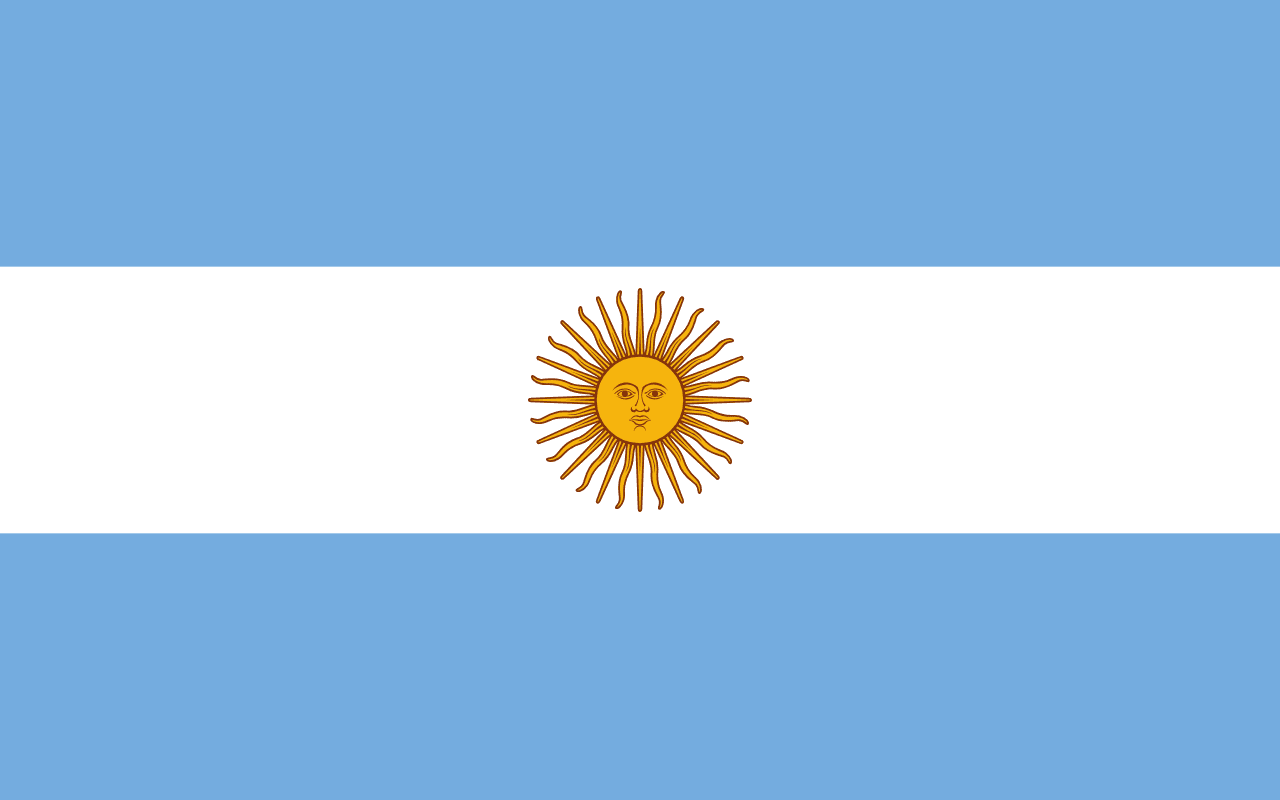
The official national sport of Argentina is Pato, a horseback ball game declared the country's national sport by presidential decree in 1953. The name "pato" is Spanish for "duck," a nod to the game's 17th-century origins, when mounted gauchos competed for a live duck sealed inside a leather basket. Today the duck has been replaced by a leather ball fitted with six handles, but Pato remains the sport that legally represents Argentina at official ceremonies — even though football is far more popular among everyday fans. Understanding why a relatively obscure equestrian game holds this title reveals a great deal about Argentina's gaucho heritage and its sweeping pampas frontier.
How Pato Is Played
Modern Pato blends elements of polo and basketball on horseback. Two teams of four riders each gallop across a grass field, passing and carrying a ball fitted with six leather handles. The objective is to throw the ball through a vertical ring mounted on a tall post at either end of the pitch, resembling a basketball hoop turned sideways. Possession is contested through the cinchada, a tug-of-war in which two opposing riders, both standing in their stirrups, pull on the ball to wrest it away from one another.
A regulation match is divided into periods called chukkas, a term borrowed directly from polo. Because riders gallop at high speed while reaching and pulling, Pato demands exceptional horsemanship, upper-body strength, and balance. A single misjudged stretch from the saddle can unseat a rider entirely. Strict modern rules govern how players may approach one another and ride alongside the ball carrier, a direct response to the sport's long and sometimes violent history. Officials watch closely for dangerous crossing and reckless contact, penalising fouls that in earlier centuries went unchecked.
The History Behind the Duck
Pato traces back to the early 1600s on the Argentine pampas, where gauchos played a wild, lawless version of the game. A live duck was stitched into a leather pouch, and rival groups of horsemen fought to carry it across vast distances to their own ranch or village. Matches could stretch for kilometres over open countryside, with no fixed field and few rules, and the rough play frequently caused serious injuries and even deaths among riders trampled or thrown in the scramble.
The brutality led authorities to ban Pato repeatedly throughout the 18th and 19th centuries. The Catholic Church condemned the game, and players killed in matches were at times denied Christian burial. Despite the prohibitions, the sport survived in rural areas until the early 20th century, when reformers codified safe rules, replaced the duck with a handled ball, and rehabilitated it into the organised game played today. Alberto del Castillo Posse drafted a formal set of regulations in the late 1930s, and that transformation paved the way for its 1953 designation as the national sport under President Juan Perón.
Football: Argentina's Sporting Passion
While Pato holds the official title, football (soccer) is the genuine heartbeat of Argentine sporting culture. The national team is one of the most successful in the world, having lifted the FIFA World Cup three times — in 1978, 1986, and most recently in 2022, when Lionel Messi led the squad to victory in Qatar. Messi and the late Diego Maradona are revered as national icons, their images appearing on murals across Buenos Aires.
Domestically, the Argentine Primera División is one of South America's most followed leagues, home to historic clubs such as Boca Juniors and River Plate, whose Superclásico rivalry ranks among the fiercest in world football. The sheer cultural weight of football means that when most people picture sport in Argentina, they imagine a packed stadium rather than a polo field — a gap between official symbol and popular reality that few countries display so starkly.
Polo, Rugby, and Other Strengths
Argentina excels in several equestrian and team sports beyond Pato and football. The country is widely regarded as the world's premier polo nation, producing many of the sport's highest-rated players and hosting the prestigious Argentine Open Championship at Palermo each year. This polo dominance shares deep roots with Pato in the nation's gaucho horsemanship tradition.
Argentina's sporting breadth is striking for a nation of roughly 46 million people:
- Rugby union: The national side, Los Pumas, competes at the highest international level and reached the semi-finals of multiple Rugby World Cups.
- Basketball: The men's team won Olympic gold in 2004 and has produced NBA talent such as Manu Ginóbili.
- Field hockey: The women's team, Las Leonas, has earned multiple Olympic medals.
- Tennis and motorsport: Grand Slam champions and Formula One legend Juan Manuel Fangio underscore individual excellence.
Why Pato Still Matters
Despite football's dominance, Pato endures as a powerful emblem of Argentine identity. As the legally recognised national sport, it appears in official cultural promotions and symbolises the gaucho heritage and the pampas where the nation's rural character was forged. The Federación Argentina de Pato continues to organise tournaments, and exhibition matches keep the tradition visible to new generations who connect it to their country's frontier past. In a sense, Pato preserves a memory of the open range that football, an urban and global game, cannot. For broader context on the nation's geography and culture, see our Argentina country guide.
Key Facts
- National sport: Pato (declared by presidential decree in 1953)
- Meaning of name: "Pato" is Spanish for "duck"
- Origins: Early 1600s on the Argentine pampas, played by gauchos
- Players: Two teams of four riders on horseback
- Equipment: A leather ball with six handles thrown through a vertical ring
- Most popular sport: Football (three-time World Cup champions)
- Governing body: Federación Argentina de Pato
Frequently Asked Questions
What is the national sport of Argentina?
The official national sport of Argentina is Pato, a game played on horseback in which two teams of four riders try to throw a six-handled ball through a vertical hoop. It was declared the national sport by presidential decree in 1953.
Is football the national sport of Argentina?
No. Football is by far the most popular sport in Argentina, but the officially designated national sport is Pato. Football remains the country's leading spectator and cultural sport despite not holding the official title.
Why is it called Pato?
"Pato" means "duck" in Spanish. The name comes from the game's 17th-century origins, when gauchos competed to seize a live duck sealed inside a leather basket. The duck has since been replaced by a ball with six handles.
How is Pato related to polo?
Both are Argentine horseback team sports rooted in gaucho riding traditions, and Pato borrows terms like "chukka" from polo. However, Pato uses a handled ball thrown through a vertical ring, while polo uses mallets to strike a ball along the ground.
