
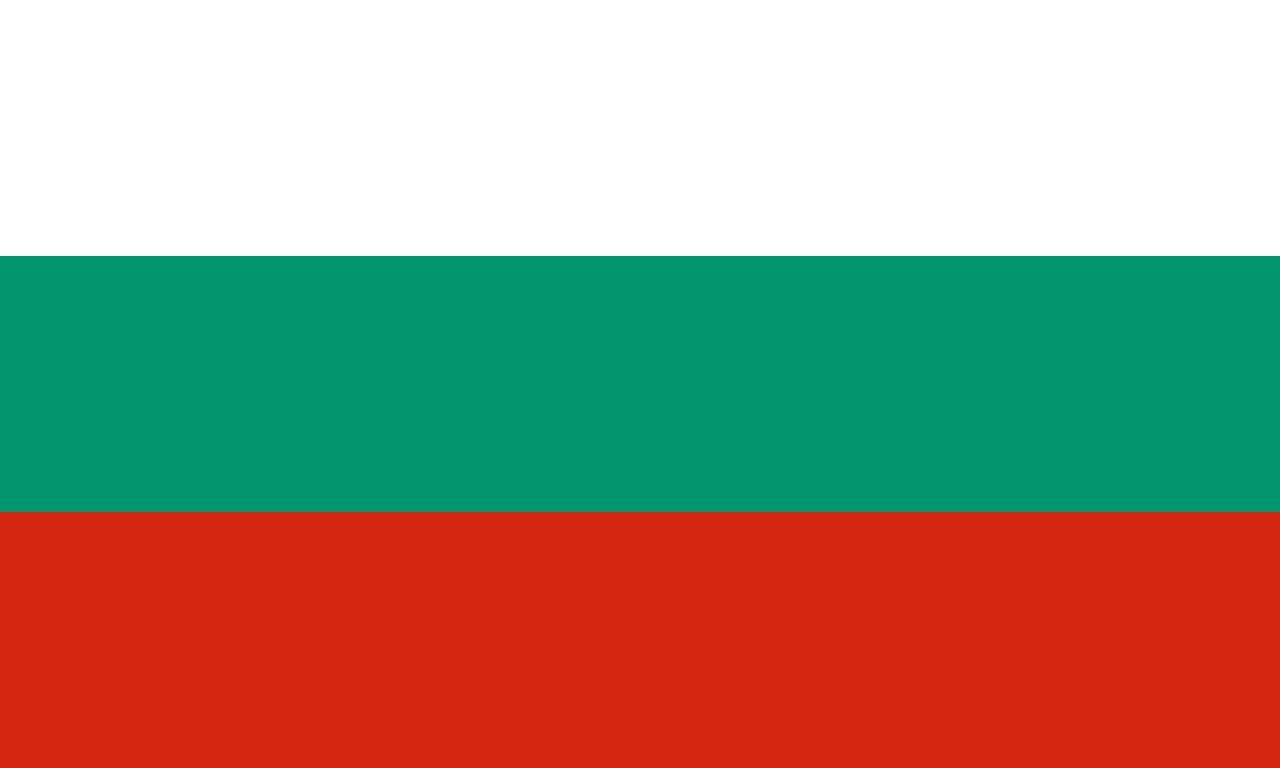
The de-facto national sport of Bulgaria is wrestling, a discipline so woven into the country's identity that Bulgaria ranks among the most successful wrestling nations in Olympic history relative to its modest population of roughly 6.7 million. While Bulgaria has never formally codified a national sport in law, wrestling is universally recognised as the sport that best expresses the country's heritage, physical tradition, and competitive pride on the world stage.
Why Wrestling Holds the Title
Wrestling earned its place at the heart of Bulgarian culture through a combination of ancient roots and modern dominance. The grappling traditions of the lands that became Bulgaria stretch back to the Thracians, the Iron Age people who left behind frescoes and artefacts depicting combat sport. During nearly five centuries of Ottoman rule, the tradition continued through oil wrestling, in which competitors known as pehlivans coated themselves in olive oil and grappled at village fairs and festivals. This long lineage meant that when organised, codified wrestling arrived in the twentieth century, Bulgaria already had a deep cultural reservoir of grappling skill to draw upon.
What cements wrestling as the national sport, though, is sustained international success. Bulgarian wrestlers have won medals at virtually every Summer Olympics since 1952, accumulating dozens of Olympic medals across freestyle and Greco-Roman styles. For a small nation, this consistency is extraordinary and has made wrestling a source of recurring national celebration.
Olympic Glory and Famous Wrestlers
Bulgaria's wrestling record is the envy of far larger countries. The nation has gathered well over 70 Olympic wrestling medals, placing it among the world leaders in the sport per head of population.
- Boyan Radev won Greco-Roman gold at both the 1964 Tokyo and 1968 Mexico City Olympics, becoming a two-time champion and a national icon.
- Bulgarian freestyle and Greco-Roman teams produced a steady stream of world and European champions throughout the Cold War era, when the sport received strong state backing.
- The country's wrestling academies and clubs continue to feed talent into international competition, sustaining a pipeline that began generations ago.
These achievements turned wrestlers into household names and reinforced the idea that, when Bulgaria steps onto the mat, it competes for the very top of the podium.
Other Popular Sports in Bulgaria
Although wrestling carries the deepest cultural weight, it is not the only sport Bulgarians embrace passionately. Several others command huge followings and have produced memorable moments:
- Football is the most widely watched and played sport. The national team's run to the semi-finals of the 1994 FIFA World Cup in the United States, powered by striker Hristo Stoichkov, remains one of the proudest sporting memories in Bulgarian history.
- Weightlifting has long been a Bulgarian Olympic strength, with the country's training methods once studied worldwide.
- Boxing and other combat disciplines remain popular, building on the same physical culture that makes wrestling so successful.
- Rhythmic gymnastics and volleyball also enjoy strong national support and have brought Bulgaria international honours.
This breadth shows a nation that values athletic achievement broadly, even as wrestling retains its symbolic status.
The Tradition of Oil Wrestling
One of the most distinctive threads in Bulgaria's wrestling story is oil wrestling, a folk form that predates the modern Olympic codes. Competitors stripped to leather or canvas breeches, oiled their bodies, and tried to pin or lift their opponent. The slippery oil made grips difficult and rewarded raw strength, balance, and stamina. Practised across the Balkans and Anatolia, this style was a feature of fairs and seasonal festivals, blending athletic contest with community celebration. Echoes of that tradition survive in regional events and in the cultural memory that helps explain why grappling feels so natural to the Bulgarian sporting psyche.
Bulgaria at a Glance
- Capital: Sofia
- Continent: Europe, in the Eastern Europe region of the Balkan Peninsula
- Population: approximately 6.7 million
- National sport (de-facto): Wrestling
- Notable strengths: Wrestling, weightlifting, football, gymnastics
For a fuller picture of the country's geography, climate, and culture, see the bulgaria country guide.
Frequently Asked Questions
What is the national sport of Bulgaria?
Bulgaria's de-facto national sport is wrestling. It is not enshrined in law, but it is widely accepted as the country's sporting emblem thanks to ancient grappling traditions and a remarkable record of Olympic and world-championship success.
Why is wrestling so important in Bulgaria?
Wrestling combines deep history with modern excellence. Its roots reach back to the Thracians and the Ottoman-era oil wrestlers, while since 1952 Bulgarian wrestlers have won medals at almost every Olympics, making the sport a recurring source of national pride.
Is football popular in Bulgaria?
Yes. Football is the most watched and played sport in the country. Bulgaria's fourth-place finish at the 1994 FIFA World Cup, led by Hristo Stoichkov, remains a celebrated highlight of the national game.
What continent is Bulgaria on?
Bulgaria is in Europe, specifically in the Eastern Europe region on the Balkan Peninsula, with Sofia as its capital city.
