
Finland has 4 extreme seasons: summer (June–August, 15–25°C) with midnight sun in Lapland, and winter (December–February, -10 to -20°C) with Northern Lights and snow. The warmest month is July (22°C in Helsinki) and the coldest is January (-6°C in Helsinki, -20°C in Lapland). Both summer and winter offer compelling reasons to visit.
Introduction
Finland's extreme latitude (60°N–70°N) drives dramatic seasonal changes. In Lapland, the sun doesn't set for 73 days in summer or rise for 51 days in winter, creating two completely different countries depending on when you visit.

Summer (June–August)
- Temperature: 15–25°C
- Daylight: Midnight sun in Lapland (73 consecutive days)
- Key Event: Midnight sun, midsummer festival (Juhannus), lake swimming
Finnish summer is an explosion of light and nature. In Lapland, the sun doesn't set from mid-May to late July, creating the surreal midnight sun. Helsinki enjoys nearly 19 hours of daylight at the solstice. Finns celebrate Midsummer (Juhannus) at lake cottages with bonfires, sauna, and swimming.
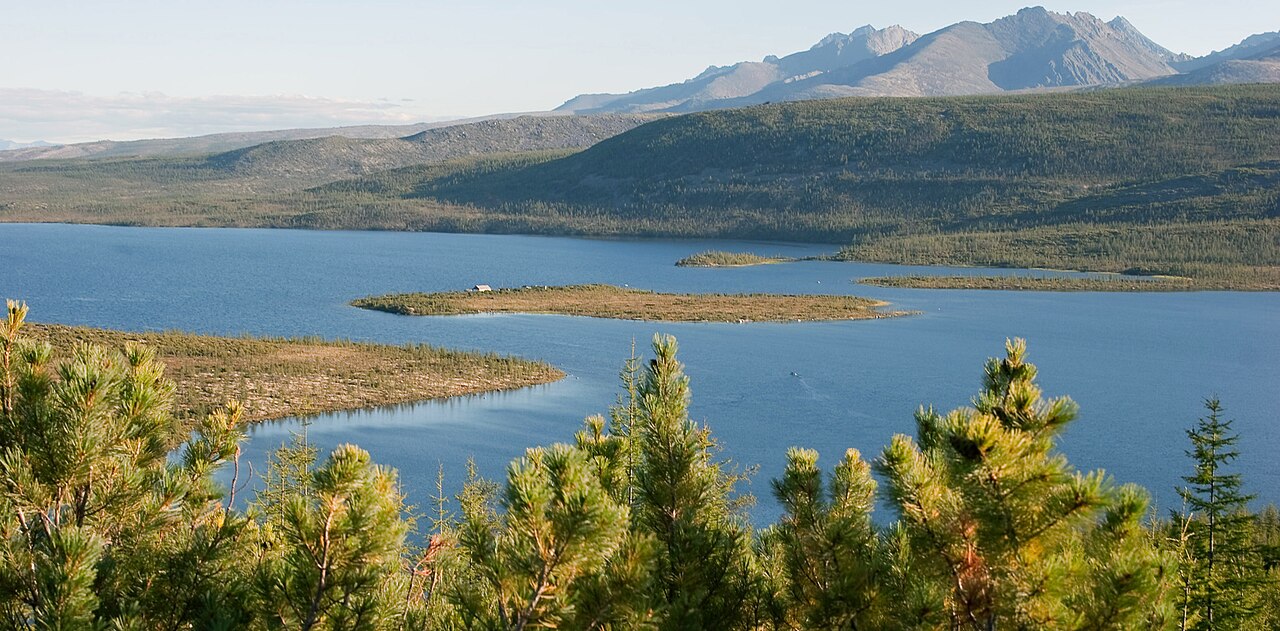
Finland's 188,000 lakes become the center of summer life. Lake swimming, canoeing, berry picking, and hiking fill the long days. Temperatures reach 25°C on warm days, and Finns make the most of the brief summer with outdoor festivals and cabin retreats.
Autumn (September–November)
- Temperature: 2–10°C, dropping rapidly
- Key Event: Ruska (autumn colors), Northern Lights season begins
Finnish autumn (ruska) brings spectacular foliage to Lapland in September, with birch forests turning vivid gold against dark green conifers. Mushroom and berry foraging is a national pastime. The Northern Lights become visible from late August in Lapland as darkness returns.
By November, snow covers Lapland and temperatures drop well below freezing. Southern Finland is grey and rainy — this is the least tourist-friendly season in the south.
Winter (December–February)
- Temperature: -5°C (Helsinki), -15 to -30°C (Lapland)
- Daylight: Polar night in Lapland (51 days without sunrise)
- Key Event: Northern Lights, Santa Claus Village, skiing, ice swimming
Finnish winter is a magical wonderland of snow, ice, and Northern Lights. Lapland is the official home of Santa Claus (Rovaniemi), and December through March offers reliable snow, reindeer safaris, husky sledding, and ice hotels. The Northern Lights are visible on roughly 200 nights per year in Lapland.
The polar night (kaamos) in northern Lapland means no sunrise for 51 days around the winter solstice, but the blue twilight and frequent aurora displays create an ethereal atmosphere. Finns embrace winter with saunas, ice swimming (avanto), and cross-country skiing.
Spring (March–May)
- Temperature: -5 to 10°C
- Key Event: Increasing daylight, spring skiing, ice breakup
Finnish spring combines increasing daylight with lingering snow — March and April in Lapland offer excellent skiing under the returning sun, with daylight hours increasing dramatically. Ice breakup on lakes occurs from April to May, with dramatic scenes of cracking and moving ice.
Helsinki warms gradually, with May bringing the first warm days and outdoor cafe culture. Spring is an underrated time to visit, especially for Lapland skiing under the lengthening Arctic sun.
Best Time to Visit
- Midnight Sun: Mid-June to mid-July
- Northern Lights: September–March (best: Oct, Feb–Mar)
- Santa Claus Village: December
- Lake Activities: June–August
Finland offers two distinct peak experiences: the midnight sun (June–July) and the Northern Lights winter (December–March). For Northern Lights, February and March offer a good balance of darkness, aurora activity, and snow activities. December is magical for Santa Claus Village but has the least daylight.
What to Pack
Summer: Layers, rain jacket, mosquito repellent (essential near lakes), and swimwear for lake swimming and sauna. Winter: Extreme cold-weather gear — insulated parka rated to -30°C, thermal base layers, insulated boots, balaclava, and hand warmers. Most winter activity providers supply snowsuits, but having your own thermal layers underneath is essential. Year-round: Sauna towel — you will use a sauna.
Key Facts
- Finland has 188,000 lakes and 3.3 million saunas for 5.5 million people.
- Lapland experiences 73 days of midnight sun and 51 days of polar night.
- Northern Lights are visible on ~200 nights/year in Finnish Lapland.
- Finland is the only country where Santa Claus has an official post office.
- Ice swimming (avanto) is a popular Finnish winter tradition.
Fun Facts
- There are more saunas in Finland than cars — 3.3 million saunas for 5.5 million people.
- Finnish babies often take their first sauna at just a few weeks old.
- Rovaniemi's Santa Claus Village receives over 500,000 letters addressed to Santa from 198 countries each year.
Final Thoughts
Finland's extreme seasonal contrasts make it a destination that rewards visitors twice — once in the endless summer light and once in the Northern Lights winter. No country on Earth offers such a dramatic difference between its seasonal faces.
Test Your Knowledge!
Think you know your world geography? Try our interactive quiz!
Play Geography Games →