
Stretching from the snow-dusted peaks of the Alborz to the shimmering salt flats of the Dasht-e Kavir, Iran is a country that confounds easy summary. It is a land where 2,500-year-old palaces sit beside neon-lit bazaars, where poetry is recited at dinner tables and where the calendar still marks the arrival of spring as the start of a brand-new year. Here are ten facts that reveal why this ancient nation remains one of the most fascinating places on Earth.
1. One of the World's Oldest Continuous Civilizations
Iran is the heir to the Persian Empire, founded by Cyrus the Great around 550 BCE, which became the largest empire the ancient world had yet seen, stretching from the Balkans to the Indus Valley. The civilization here predates even that, with the Elamite culture flourishing more than 5,000 years ago. This deep continuity means modern Iranians still feel a living connection to figures like Cyrus, Darius and the poet Ferdowsi. You can explore more of this layered story in our country guide, which traces how empires, dynasties and revolutions shaped today's nation.
2. Tehran Is a Megacity in the Shadow of a Volcano
Iran's capital, Tehran, is home to roughly 9 million people in the city proper and many more across its sprawling metropolitan area, making it one of the largest cities in Western Asia. The city climbs the southern slopes of the Alborz mountains, and on a clear winter day residents can glimpse Mount Damavand, a dormant volcano and, at over 5,600 metres, the highest peak in the entire Middle East. Tehran is a city of contrasts: grand Qajar-era palaces and the National Museum sit alongside choking traffic, ski resorts just an hour away, and a famously vibrant café and art scene that thrives despite the chaos.
3. A Young, Highly Educated Population of 93 Million
With approximately 93.2 million people, Iran is one of the most populous countries in the Middle East. What surprises many outsiders is how young and educated the population is: a large share are under 35, and Iranian universities produce enormous numbers of engineering and science graduates each year, with women often outnumbering men in higher education. This generation, raised on the internet and global media, drives a dynamic, sometimes restless cultural undercurrent. The result is a society that blends deeply traditional family values with a thoroughly modern, tech-savvy youth culture.
4. Persian: A Language That Shaped an Entire Region
The official language is Persian, known to its speakers as Farsi, an Indo-European tongue written in a modified Arabic script. Persian was once the language of courts and poetry from Istanbul to Delhi, and its literary heritage is staggering: the works of Hafez, Rumi, Saadi and Ferdowsi are still memorised and quoted in everyday conversation. Many English words, including "paradise," "bazaar," "pajamas" and "lemon," trace their roots to Persian. The reverence for poetry runs so deep that families visit the tomb of Hafez in Shiraz to seek guidance by opening his collected verses at random.
5. Nowruz: A New Year Celebrated by Millions Worldwide
Nowruz, the Persian New Year, falls on the spring equinox in late March and is one of the oldest continuously celebrated festivals on the planet, with roots in Zoroastrian tradition stretching back thousands of years. Iranians prepare a symbolic table called the haft-sin, featuring seven items beginning with the Persian letter "s," each representing hopes like health, prosperity and rebirth. The festivities last nearly two weeks and are observed not only in Iran but across Central Asia, the Caucasus and beyond, by an estimated 300 million people. It is a celebration of renewal that ties together an entire cultural sphere.
6. A Geography of Deserts, Mountains and Two Great Seas
Iran is enormous and astonishingly varied. Two vast deserts, the Dasht-e Kavir and the Dasht-e Lut, dominate the interior, and the Lut has recorded some of the hottest land-surface temperatures ever measured on Earth. Ringing these arid expanses are great mountain ranges, the Alborz to the north and the Zagros to the west. To the north lies the Caspian Sea, the world's largest inland body of water, where lush, humid forests and rice paddies feel almost tropical. To the south stretch the warm waters of the Persian Gulf and the Gulf of Oman, giving Iran an extraordinary range of climates within a single country.
7. Persepolis and a Wealth of World Heritage Sites
Iran boasts more than two dozen UNESCO World Heritage Sites, a testament to its layered history. The crown jewel is Persepolis, the ceremonial capital of the Achaemenid Empire, where the carved staircases still depict delegations from across the ancient world bringing tribute to the Persian king. Beyond it lie the breathtaking blue-tiled mosques and grand square of Isfahan, the windcatcher-topped mud-brick city of Yazd, and the ancient ziggurat of Chogha Zanbil. Few countries on Earth pack so many architectural marvels into one territory, each one a window onto a different chapter of human history.
8. A Cuisine Built on Saffron, Rice and Slow Stews
Persian food is one of the world's great underrated cuisines, prizing balance, fragrance and texture over heat. A meal often centres on fluffy basmati rice crowned with tahdig, the prized golden crust scraped from the bottom of the pot. Slow-cooked stews called khoresh, like the herb-rich ghormeh sabzi and the sweet-and-sour walnut-and-pomegranate fesenjan, are national treasures. Saffron, of which Iran is the world's leading producer, perfumes everything from rice to ice cream. Meals are generous, communal affairs, and the famous tradition of taarof, an elaborate etiquette of politeness, governs how food and hospitality are offered and accepted.
9. Home to the Critically Endangered Asiatic Cheetah
Iran is the last refuge on Earth for the Asiatic cheetah, a subspecies that once ranged across South and Western Asia but now survives only in Iran's central deserts, with perhaps just a few dozen individuals remaining. The country's varied terrain also shelters the Persian leopard, the Persian fallow deer and brown bears in the Caspian forests. Iranians have embraced the cheetah as a national symbol of conservation, even featuring it on the national football team's jerseys at the World Cup to raise awareness. Protecting these animals has become a point of genuine pride amid the pressures of habitat loss.
10. An Oil-Rich Economy and a Striking National Flag
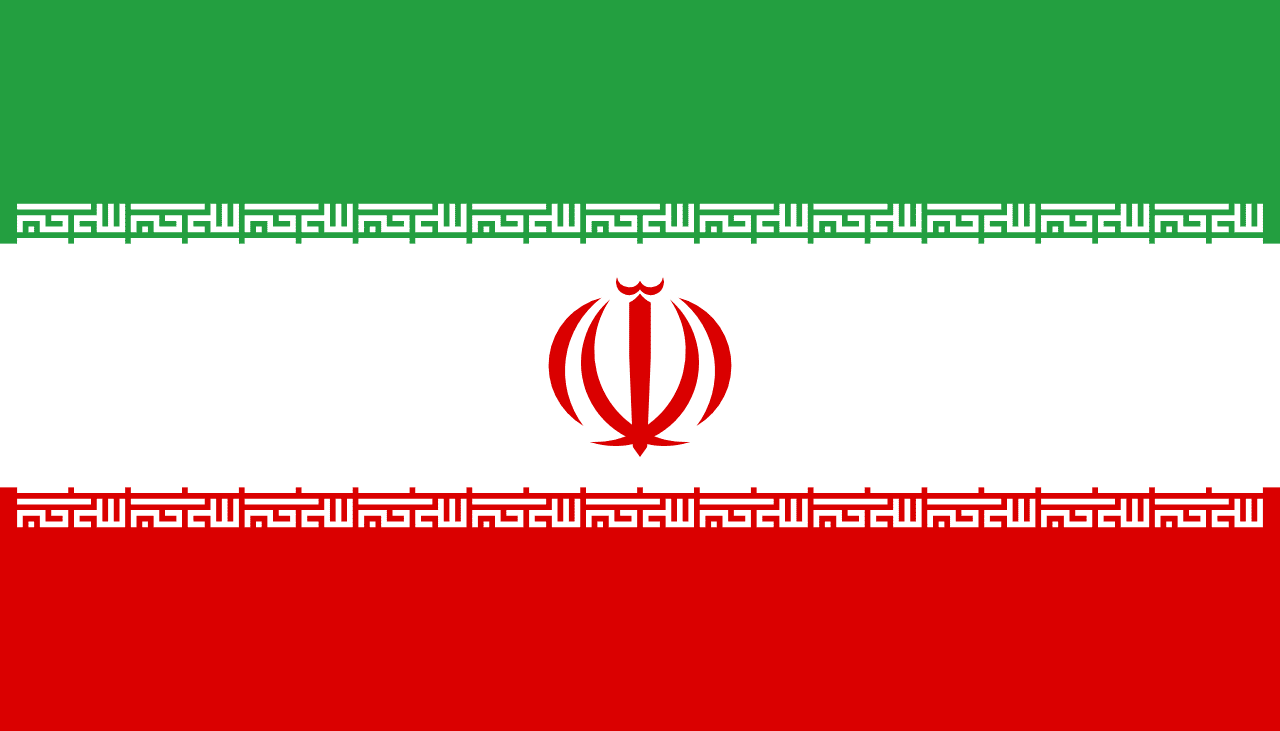
Iran sits atop some of the largest proven reserves of crude oil and natural gas in the world, making energy the backbone of its economy, alongside carpets, pistachios, saffron and a substantial industrial base. The national identity is also expressed through its distinctive tricolour, whose green, white and red bands carry intricate emblems and stylised script along their edges. You can learn what each colour and symbol represents in our guide to the flag of Iran. From ancient empire to modern energy power, the country's wealth has always shaped its place on the world stage.
Frequently Asked Questions
What is the capital of Iran?
The capital of Iran is Tehran, a sprawling megacity of around 9 million people set against the Alborz mountains. It is the country's political, cultural and economic heart, home to the government, major universities, museums and a lively arts scene.
What is Iran most famous for?
Iran is famous for being the heart of the ancient Persian Empire, for landmarks like Persepolis and the blue mosques of Isfahan, for its world-class Persian cuisine and saffron, and for its rich poetic and carpet-weaving traditions. It is also well known for its vast oil and gas reserves.
Why do Iranians celebrate the new year in spring?
Iranians follow the Solar Hijri calendar, and their new year, Nowruz, begins on the spring equinox to mark the rebirth of nature. The tradition dates back thousands of years to Zoroastrian times and symbolises renewal, making it one of the oldest seasonal festivals still celebrated today.
Conclusion
From the deserts that record record-breaking heat to the poetry recited at every gathering, Iran rewards anyone willing to look beyond the headlines. Its ancient empires, generous cuisine, rare wildlife and warm traditions of hospitality make it one of the most layered and surprising countries on the planet. These ten facts are only an invitation to keep exploring a civilisation that has been shaping the world for more than two and a half thousand years.
