
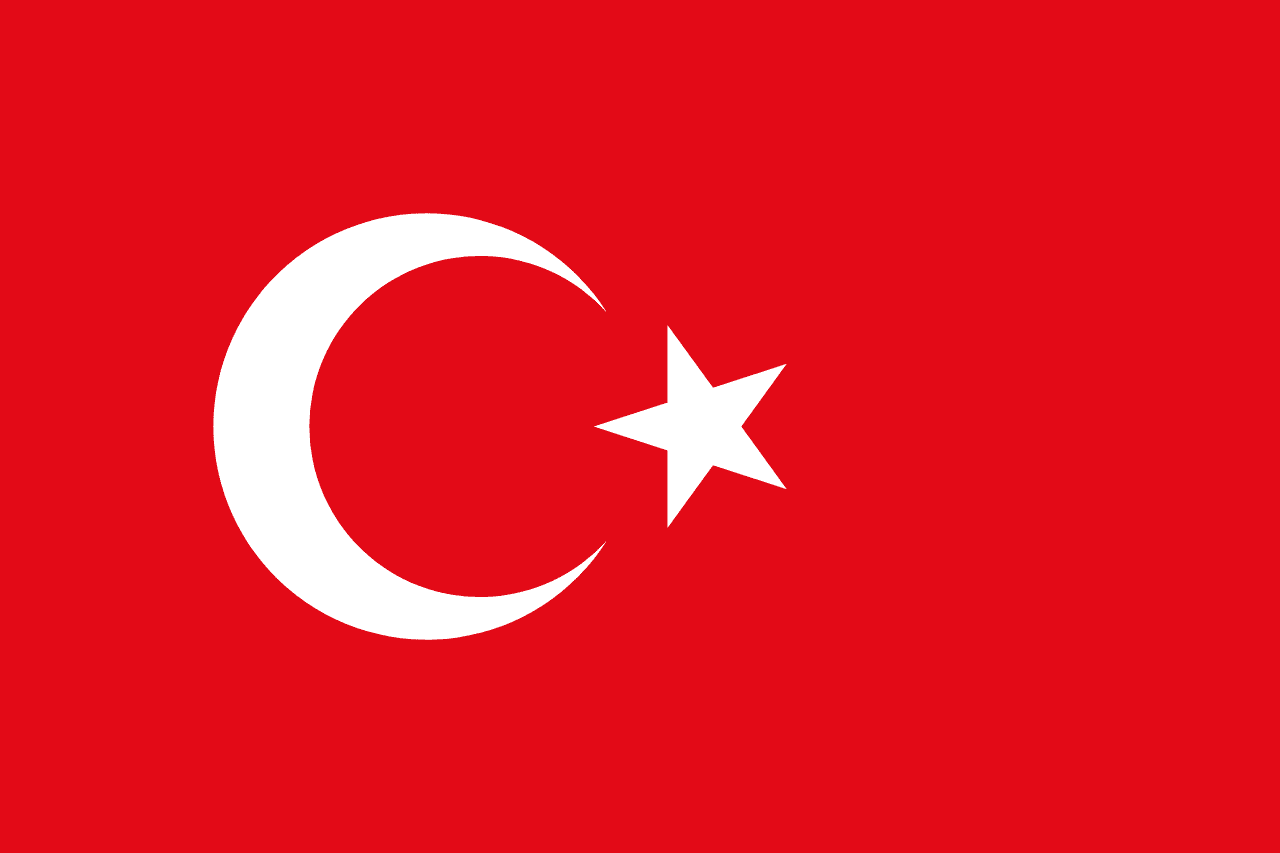
Straddling two continents, ringed by four seas, and layered with the ruins of empires that rose and fell over ten thousand years, Turkey is one of the most geographically and historically dense countries on Earth. It is a place where Roman aqueducts share streets with Ottoman mosques, where underground cities once hid entire populations, and where breakfast can stretch for hours. Here are ten facts that capture just how extraordinary this crossroads of civilizations really is.
1. It Sits on Two Continents at Once
Turkey is the rare nation split between Europe and Asia, divided by the narrow Bosphorus and Dardanelles straits that connect the Black Sea to the Mediterranean. Roughly 97 percent of its landmass lies in Asia, on a vast peninsula called Anatolia, while a small but historically vital sliver called Thrace sits in Europe. This positioning made Turkey a perpetual bridge for trade, armies, and ideas. The strategic value of these waterways has shaped global politics for millennia, from the ancient Greeks to the modern shipping lanes that carry millions of tonnes of cargo each year through Istanbul. You can learn more in our country guide.
2. Istanbul Is the Only City Spanning Two Continents
Turkey's largest city, Istanbul, stretches across both Europe and Asia, making it the only major metropolis in the world to do so. Commuters cross between continents daily by ferry, bridge, or the Marmaray rail tunnel beneath the Bosphorus. Home to roughly 16 million people, Istanbul is far larger than the capital. The city has worn many names through history, serving as the heart of both the Byzantine Empire (as Constantinople) and the Ottoman Empire. Today its skyline mixes minarets, Byzantine domes, and glass towers, while its streets buzz with markets, cafes, and centuries of layered culture.
3. The Capital Is Ankara, Not Istanbul
Despite Istanbul's fame, Turkey's official capital is Ankara, a city of around five million in the Anatolian heartland. When the modern Turkish Republic was founded in 1923 under Mustafa Kemal Ataturk, the capital was deliberately moved inland to Ankara, away from the Ottoman associations of Istanbul. The choice symbolized a fresh, modern, centrally located nation. Ankara today is a planned governmental city, home to ministries, embassies, and Ataturk's grand mausoleum, Anitkabir. While it lacks Istanbul's tourist glamour, it remains the administrative engine of a country of nearly 88 million people.
4. Cappadocia Has a Surreal Lunar Landscape and Hidden Cities
In central Anatolia lies Cappadocia, a region of otherworldly rock formations known as "fairy chimneys," carved by volcanic ash and erosion over millions of years. Early Christians hollowed out churches, homes, and entire underground cities into the soft tufa stone. The largest, Derinkuyu, plunges multiple levels deep and could once shelter thousands of people along with their livestock during invasions. Today Cappadocia is world-famous for its sunrise hot-air balloon flights, when hundreds of balloons drift silently over the valleys. It is one of the most photographed landscapes on the planet and a UNESCO World Heritage Site.
5. Turkish Is the National Language and Switched Alphabets in 1928
The official language is Turkish, spoken by the vast majority of the population and connected to a wider family of Turkic languages stretching across Central Asia. One of Ataturk's boldest reforms was abandoning the Arabic-based Ottoman script in 1928 and adopting a modified Latin alphabet practically overnight. The change, paired with a national literacy campaign, was designed to modernize the country and boost reading rates. Turkish is also known for "vowel harmony," a feature where vowels within a word shift to match each other, giving the language its distinctive flowing rhythm. You can also explore the national flag and its symbolism.
6. It Was Home to Some of Humanity's Oldest Settlements
Anatolia is one of the cradles of human civilization. The site of Gobekli Tepe in southeastern Turkey contains massive carved stone pillars dating back roughly 11,000 years, predating Stonehenge and the Egyptian pyramids by thousands of years and overturning assumptions about early human society. Elsewhere, Catalhoyuk was a sprawling Neolithic town occupied around 9,000 years ago. Turkey's soil also holds Troy, the legendary city of Homer's epics, plus the ruins of Ephesus and dozens of other ancient settlements. Few countries can claim such a deep and continuous record of human habitation.
7. Turkish Cuisine Is a World-Class Culinary Tradition
Turkish food is among the richest cuisines on the planet, blending Mediterranean, Middle Eastern, and Central Asian influences. Beyond the famous kebabs, the country gave the world baklava, Turkish delight (lokum), and a thick, intense coffee so culturally significant that UNESCO recognized Turkish coffee culture as intangible heritage. The Turkish breakfast, or kahvalti, is a sprawling spread of cheeses, olives, eggs, jams, and fresh bread that can last for hours. Street food thrives too, from simit (sesame rings) to stuffed mussels. Meals are deeply social events, reflecting a culture built around hospitality and generosity.
8. Hagia Sophia Has Been a Church, a Mosque, and a Museum
Few buildings have lived as many lives as Hagia Sophia in Istanbul. Completed in 537 AD under the Byzantine emperor Justinian, it was the largest cathedral in the world for nearly a thousand years, famed for its enormous dome that seemed to float on light. After the Ottoman conquest in 1453 it became a mosque, gaining minarets and Islamic calligraphy alongside its Christian mosaics. In 1935 it was converted into a museum, then reconverted into a working mosque in 2020. This layering of faiths and empires makes it one of the most powerful symbols of Turkey's blended identity.
9. It Bridges the Economies of East and West
Turkey is a major emerging-market economy and one of the world's leading manufacturing and tourism hubs. Its geographic position makes it a natural trade corridor between Europe, Asia, and the Middle East, and it ranks among the world's top destinations for international tourists. The country is a powerhouse in textiles, automobiles, construction, and home appliances, and Turkish brands are increasingly recognized globally. As the successor state to the Ottoman Empire, which spanned three continents for over six centuries, Turkey inherited a strategic crossroads that continues to shape its commercial and diplomatic influence today.
10. Two Seas Around It Have Strange Natural Wonders
Turkey's coastlines and interior hide remarkable natural sites. At Pamukkale in the southwest, mineral-rich hot springs have built dazzling white travertine terraces that cascade down a hillside like frozen waterfalls, drawing visitors for thousands of years. The Mediterranean and Aegean coasts host nesting loggerhead sea turtles, while the rugged eastern mountains shelter Mount Ararat, the country's highest peak at over 5,100 metres and the legendary resting place of Noah's Ark. Lake Van, the largest lake in Turkey, is so alkaline that it supports a unique fish and was once home to a famous breed of swimming cats.
Frequently Asked Questions
What is the capital of Turkey?
The capital of Turkey is Ankara, located in the central Anatolian region. It became the capital in 1923 when the modern republic was founded, replacing Istanbul. While Istanbul is the largest and most famous city, Ankara serves as the political and administrative center, home to government ministries and foreign embassies.
What is Turkey most famous for?
Turkey is famous for spanning two continents, for the spectacular city of Istanbul and its Hagia Sophia, and for the surreal landscapes of Cappadocia with their hot-air balloons. It is equally renowned for its cuisine, including kebabs, baklava, and Turkish coffee, as well as its ancient ruins like Ephesus and Troy.
Is it true Istanbul used to be called Constantinople?
Yes. Istanbul was known as Constantinople for over 1,500 years, named after the Roman emperor Constantine. Before that it was called Byzantium. It served as the capital of the Roman, Byzantine, and Ottoman empires before being officially renamed Istanbul in the early 20th century.
Conclusion
Turkey is a country that refuses to fit a single label. It is European and Asian, ancient and modern, deeply traditional yet rapidly developing. From the fairy chimneys of Cappadocia to the bustling continental crossings of Istanbul, every corner offers another layer of history and surprise. These ten facts barely scratch the surface, but they reveal why Turkey remains one of the most fascinating destinations and study subjects in the world.