
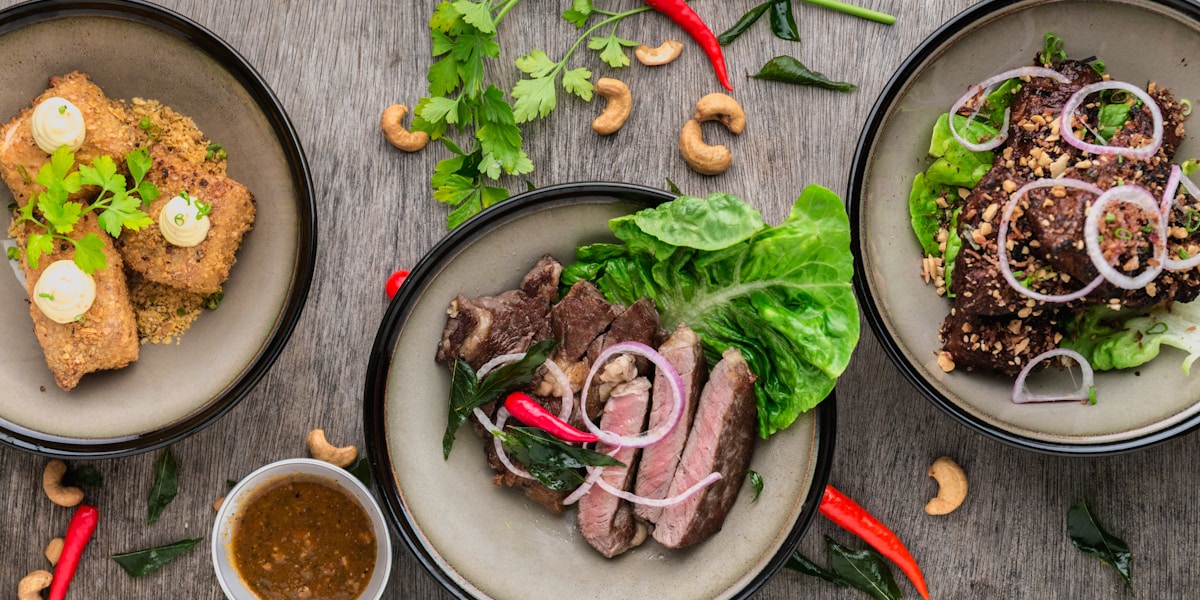
The traditional food of Germany is built around 15 must-try dishes: bratwurst, currywurst, schnitzel, sauerbraten, the soft pretzel (Brezel), spätzle, sauerkraut, kartoffelpuffer, döner kebab, eintopf, rouladen, Black Forest cake, stollen, apfelstrudel, and the country's beer and Riesling. Together they capture a cuisine that is hearty, regional, and proudly craft-driven, shaped by long winters, a strong agricultural base, and centuries of butchery and baking know-how.
The Savory Classics Every Visitor Should Try
German cooking leans on pork, beef, potatoes, and cabbage, and these staples appear again and again in its best-loved plates. Start with these icons:
- Bratwurst — grilled pork sausage with over 40 regional styles, from the small, marjoram-spiced Nuremberg version to the long, herby Thuringian and the white veal weisswurst of Bavaria.
- Schnitzel — a thin cutlet pounded flat, breaded, and pan-fried golden. Wiener Schnitzel uses veal, while the everyday Schweineschnitzel uses pork, often served with fries and lemon.
- Sauerbraten — a pot roast marinated in vinegar and spices for three to seven days, then slow-braised until fork-tender and served with red cabbage and dumplings.
- Rouladen — thin beef rolled around bacon, onion, mustard, and pickle, braised in rich gravy; a classic Sunday dinner.
- Sauerkraut — fermented cabbage that pairs with nearly everything, prized for its tangy bite and long shelf life through cold months.
Carbs, Bread, and the Mighty Pretzel
Germany registers more than 3,200 types of bread, more than any other country, and baking sits at the heart of daily life. The foods below show how seriously Germans take their starches:
- Pretzel (Brezel) — twisted dough with a dark, chewy crust and soft interior, dusted with coarse salt. It is Bavaria's signature snack and a beer-garden essential.
- Spätzle — soft egg noodle-dumplings from Swabia, served as a side or baked with cheese and fried onions to make Käsespätzle.
- Kartoffelpuffer — crisp potato pancakes served with applesauce or sour cream, a Christmas-market favorite.
Potatoes arrived in Germany in the 18th century and quickly became a national staple, appearing boiled, mashed, fried, and dumpling-shaped (Kartoffelknödel) on tables across the country.
Street Food and Quick Bites
Germany's casual food scene is fast, filling, and full of character, especially in its cities. Three quick bites define the modern street menu:
- Currywurst — sliced bratwurst smothered in curried ketchup, invented in Berlin in 1949 by Herta Heuwer. Berlin alone eats roughly 70 million servings a year, and the dish even had its own museum in the capital.
- Döner kebab — spit-roasted meat tucked into flatbread with salad and sauces, created by Turkish immigrants in 1970s Berlin and now Germany's most popular fast food, with around a billion sold annually.
- Eintopf — a thrifty one-pot stew of meat, potatoes, and vegetables that nearly every German family makes its own way.
This blend of homegrown and immigrant influences shows how German food keeps evolving while staying rooted in comfort and value.
Famous Desserts and Sweet Traditions
German baking shines brightest around the holidays, but its desserts are worth seeking out year-round. The most celebrated sweets include:
- Black Forest cake (Schwarzwälder Kirschtorte) — layers of chocolate sponge, sour cherries, whipped cream, and a splash of kirsch cherry brandy; arguably the country's most famous cake.
- Stollen — a dense Christmas loaf packed with dried fruit and marzipan and dusted with powdered sugar, a Dresden tradition dating to the 15th century.
- Apfelstrudel — paper-thin pastry rolled around spiced apples, raisins, and breadcrumbs, served warm with vanilla sauce.
At Germany's thousands of Christmas markets, these treats appear alongside Lebkuchen (gingerbread) and roasted almonds, turning baking into a beloved seasonal ritual.
What Germans Drink
No survey of German food is complete without its drinks, and the country's beverage culture is among the most regulated in the world:
- Beer — thousands of brands from roughly 1,300 breweries, brewed under the Reinheitsgebot purity law of 1516, the oldest food-quality regulation still in force. Styles range from crisp pilsner to cloudy hefeweizen and dark dunkel.
- Riesling — Germany's signature white grape, producing everything from bone-dry to honeyed-sweet wines along the Mosel and Rhine valleys.
- Glühwein — mulled wine spiced with cinnamon, cloves, and citrus, the warming drink of every Christmas market.
Munich's Oktoberfest, the world's largest beer festival, draws around 6 million visitors who drink roughly 7.7 million liters of beer over its 16 days. For more on the country's regions and culture, see our germany country guide.
Frequently Asked Questions
What is the national dish of Germany?
Germany has no single official national dish, but sauerbraten (vinegar-marinated pot roast) and bratwurst are the strongest contenders, alongside the soft pretzel as the country's defining snack.
Why is German food so meat-heavy?
Cold winters, a strong farming tradition, and centuries of skilled butchery made preserved and roasted meats practical and central. Germany counts over 1,500 sausage varieties as a result.
Is German food spicy?
Generally no. German cuisine favors savory, herby, and tangy flavors — marjoram, caraway, mustard, and vinegar — rather than chili heat, though currywurst adds a mild curried kick.
What food is Germany most famous for?
Beer, bratwurst, schnitzel, pretzels, and Black Forest cake are Germany's most internationally recognized foods, with currywurst and döner kebab dominating its street-food scene.