
Oman is a 309,500 km² Arabian Peninsula country with 5.1 million people, occupying the southeastern Arabian Peninsula along the Gulf of Oman and Arabian Sea coasts. The country is widely considered the most authentic and least developed of the Gulf states — Oman has deliberately avoided the high-rise hyper-development of Dubai and Doha, maintaining traditional Arabian architecture (the famous "Royal Decree" requiring buildings to retain Omani character) and offering one of the Arab world's most welcoming cultural experiences. The Sultanate is ruled by Sultan Haitham bin Tariq (succeeded the famous Sultan Qaboos in 2020 after Qaboos's 50-year reign that modernized the country). Oman has dramatic geographic diversity — the famous Hajar Mountains, the famous "Empty Quarter" (Rub' al Khali) desert, the famous Wahiba Sands, the famous Musandam Peninsula (the "Norway of Arabia" with dramatic fjords), the famous Dhofar region in the far south, and 3,165 km of coastline. The country has the famous Muscat (the capital with the famous Sultan Qaboos Grand Mosque — one of the world's largest mosques with the famous Iranian carpet hand-knotted over 4 years by 600 weavers; the famous Royal Opera House — the only opera house in the Gulf; the famous Mutrah Souk and Mutrah Corniche), Nizwa (the famous historic capital with the famous Nizwa Fort and the famous Friday goat market), Sohar (the famous ancient port city), Salalah (the famous Dhofar capital with the unique Khareef monsoon experience), the famous Jabal Akhdar (the "Green Mountain" with the famous Saiq Plateau at 2,000 m), the famous Sharqiyah Sands (Wahiba Sands desert experience), the famous Empty Quarter, the famous Musandam fjords, and extensive coastal beaches. Climate has dramatic regional variation — desert climate in most of the country (hot dry summers, mild winters) with the unique Indian monsoon Khareef affecting only the Dhofar region June-September.
Quick verdict
Best for most of Oman (Muscat, Nizwa, Wadis, desert, mountains): Mid-October-April.
Best for Salalah Khareef season: Mid-June-mid-September.
Best for the desert (Wahiba Sands, Empty Quarter): November-March.
Best for Jabal Akhdar mountain visits: November-April (with summer providing cool escape from coastal heat).
Best for the Musandam Peninsula fjords: October-April.
Best for wadi swimming: October-April.
Best for sea turtle nesting at Ras al Jinz (green turtles): July-October (peak August-September).
Best for the Muscat Festival: January-February.
Best for the Salalah Tourism Festival: July-August.
Best for budget travelers: Late April-early June and October.
Avoid if you can: May-September in central and northern Oman (40-50 °C heat); Ramadan if expecting normal daytime food service in non-tourist areas; the Indian Ocean cyclone season May-November (rare but devastating cyclones have hit Oman, notably Cyclone Shaheen 2021).
Cool dry season (mid-October-April) — Oman's tourism peak
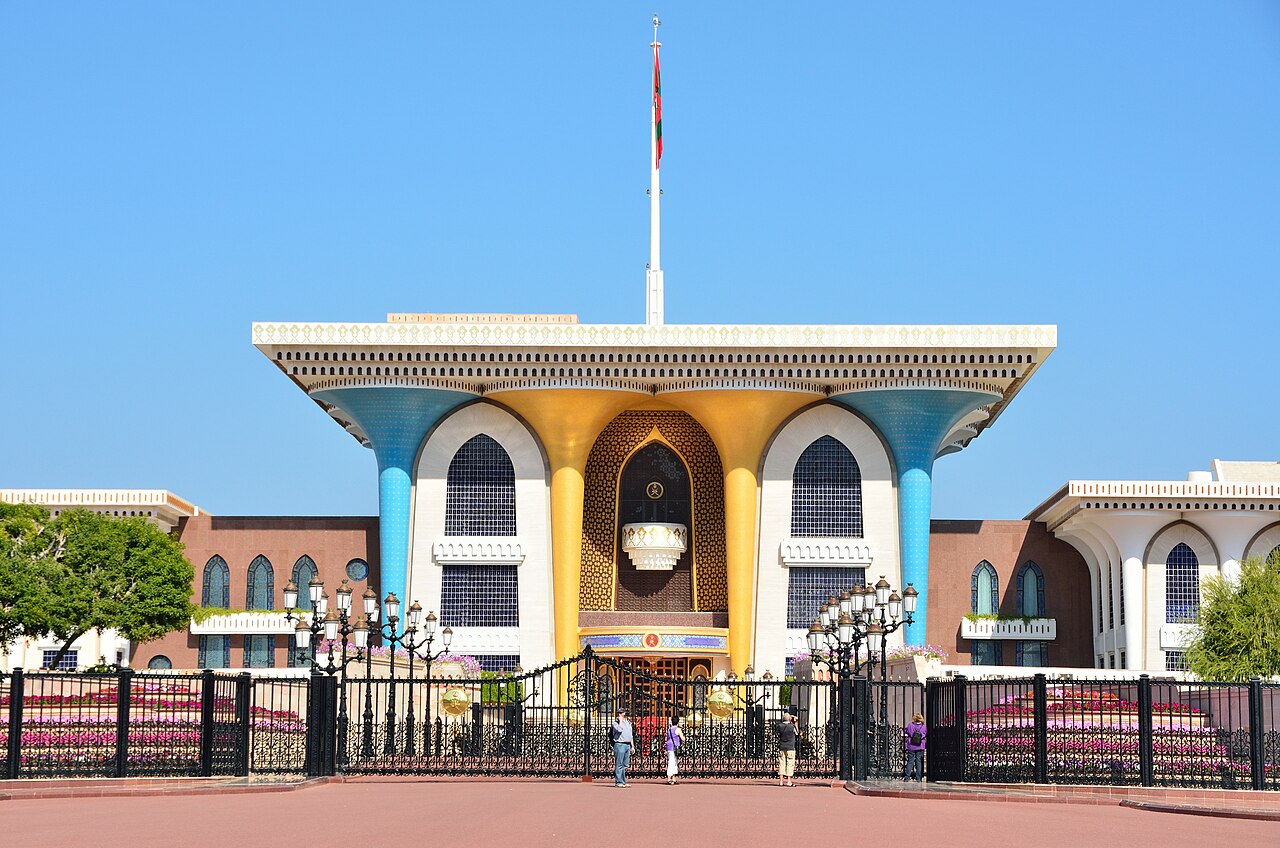
The Gulf's most pleasant winter weather. Daytime in Muscat 22-28 °C; nights 14-20 °C; humidity moderate. The famous Sultan Qaboos Grand Mosque — completed 2001, with the second-largest single-piece carpet in the world (4,200 m² hand-knotted over 4 years), the world's second-largest chandelier (8 m tall, 24-carat gold-plated with 1,122 lights), and the famous architectural fusion of contemporary Islamic design — provides Muscat's signature attraction. The Royal Opera House (the only major opera house in the Gulf, opened 2011 with extraordinary architecture) hosts world-class performances. The Mutrah Corniche, Mutrah Fort, and Mutrah Souk (Oman's oldest market) provide cultural depth. The famous Sultan's Royal Palace (Al Alam Palace) with its colorful gold-and-blue facade provides photography opportunities.
Nizwa (the historic capital, 90 minutes south of Muscat) provides Oman's most authentic Arabian experience. The famous Nizwa Fort (one of Oman's largest forts, completed 1668), the famous Nizwa Souk (with the famous Friday morning goat and cattle auction — Oman's most distinctive cultural event), the famous "Halwa" sweet shops, and the surrounding traditional villages (Bahla Fort UNESCO World Heritage, the famous Jabreen Castle) provide cultural depth. The famous "rose water" production in the surrounding Jabal Akhdar villages (the famous Damask rose harvest in April-May) provides distinctive cultural specialty.
Jabal Akhdar (the "Green Mountain") — at 2,000 m elevation in the Hajar Mountains, 2 hours south of Muscat — provides Oman's coolest summer mountain escape. The famous Saiq Plateau (the famous abandoned villages of As Sab, As Sirjit, Al Aqr — the "Diana Viewpoint" providing extraordinary canyon views; the famous Damask rose terraced gardens), the famous Wadi Bani Habib, the famous Misfat Al Abriyeen mountain village, and the famous Anantara Al Jabal Al Akhdar Resort (the famous luxury resort with the famous edge-of-cliff infinity pool) provide depth. The famous Saiq Plateau temperatures stay 10-15 °C cooler than coastal Muscat — providing summer escape for Omani families.
The Sharqiyah Sands (formerly Wahiba Sands) — Oman's accessible desert experience, 3 hours from Muscat — provides traditional desert tourism. The famous orange-red dunes (the famous "1,000 Nights Camp" and Desert Nights Camp providing accommodations), the famous Bedouin culture, and the famous "dune bashing" 4WD adventures provide signature Arabian Peninsula desert experiences. The famous Empty Quarter (Rub' al Khali — the world's largest contiguous sand desert) requires multi-day expeditions from the Salalah area.
The famous Musandam Peninsula in northern Oman (separated from the rest of Oman by UAE territory) provides the "Norway of Arabia" experience — dramatic fjord-like coastal inlets (the famous "khor") with the famous Khasab fishing town. The famous "Khor Sham" boat trips provide extraordinary Arabian fjord photography, with frequent dolphin sightings. Access by short flight from Muscat or 3-hour drive from Dubai.
The famous Wadi exploration (the famous canyon streams with permanent water — distinctive in the otherwise arid landscape) provides Oman's most distinctive adventure tourism. The famous Wadi Shab, Wadi Bani Khalid, Wadi Tiwi, and Wadi Damm provide swimming, hiking, and the famous "Tarzan swing" experiences in stunning rock pools.
Khareef season at Salalah (mid-June-mid-September)
Oman's most unique cultural and natural experience. The famous "Khareef" — the Indian Ocean Southwest Monsoon that affects only the Dhofar region in far southern Oman (the famous mountains capture moisture-laden monsoon winds, creating extraordinary green transformation) — turns the typically arid Salalah landscape into a lush, misty, almost-tropical environment with waterfalls, fog, drizzle, and extraordinary green color.
The famous Salalah Khareef phenomenon attracts hundreds of thousands of visitors from Oman and surrounding Gulf states (Saudis, Emiratis, Bahrainis, Kuwaitis, Qataris) escaping the famous inland summer heat. The famous Salalah Tourism Festival (July-August) celebrates the season with extensive cultural programming. Daytime in Salalah during Khareef stays at 22-28 °C with persistent moisture; the famous "Frankincense Trail" experiences (Dhofar was historically the world's primary source of frankincense — UNESCO World Heritage "Land of Frankincense" sites) provide cultural depth. The famous Mughsail Beach with the famous blowholes (Marneef Cave), the famous Wadi Darbat (with the famous green meadows and waterfalls during Khareef), and the famous "Empty Quarter" expeditions (from Salalah, the famous Rub' al Khali desert experience) provide depth.
For international visitors, Khareef Salalah provides one of the world's most unique climate experiences — Arabian Peninsula tropical lushness during the season when the rest of the region is at peak heat.
Ras al Jinz (sea turtle nesting)
The famous Ras al Jinz Turtle Reserve on the easternmost point of the Arabian Peninsula provides one of the world's premier sea turtle viewing experiences. The famous green sea turtles (Chelonia mydas) nest year-round but peak July-October with hundreds of females coming ashore nightly to lay eggs. Guided night tours (book ahead) and the famous Ras al Jinz Visitor Center provide controlled access. The famous nesting and hatching activities continue year-round but peak Khareef months coincide with most visitor interest.
Cultural and practical notes
Arabic is the official language; English is widely spoken in tourism and business. Omani Rial (OMR) is the currency (one of the world's strongest at approximately $2.60 USD per 1 OMR). Tipping 10%. Driving on the right side. Visa-on-arrival or eVisa for most Western nationalities (varies — some now require advance eVisa). Cultural sensitivities matter — Omani Islamic culture is genuinely traditional but welcoming; modest dress is essential in mosques and rural areas (knees and shoulders covered for both genders; women should consider scarves at mosques). Photography of people requires permission. Alcohol available only in licensed hotel restaurants and bars.
Practical considerations
Muscat International Airport (MCT) is the main aviation hub. Salalah International Airport (SLL) provides southern Oman access. Internal travel by rental car (Oman has excellent roads), Oman Air domestic flights (Muscat-Salalah is 90 minutes by air vs. 12 hours by road), and organized tours. Self-drive is widely recommended — Oman has among the safest driving conditions in the Middle East.
Festivals & cultural events
Muscat Festival (January-February): Major cultural and tourism festival.
Salalah Tourism Festival (July-August during Khareef): Major Dhofar cultural celebration.
Eid al-Fitr (varies): Major Islamic celebration.
Eid al-Adha (varies): Major Islamic celebration.
Omani National Day (November 18): National celebration.
Renaissance Day (July 23): Commemorates Sultan Qaboos's 1970 ascension.
Nizwa Friday Goat Market (year-round Fridays): Major traditional cultural event.
Damask Rose Harvest (April-May, Jabal Akhdar): Major traditional event.
Traveler-type advice
First-time visitors (Muscat + Nizwa + Wahiba Sands): Mid-October-April.
Khareef travelers (Salalah's monsoon green): Mid-June-mid-September.
Desert adventurers: November-March.
Mountain travelers (Jabal Akhdar): November-April; June-August for cool escape.
Coast and fjord travelers (Musandam): October-April.
Sea turtle viewers (Ras al Jinz): July-October.
Cultural travelers: November-March for ideal weather.
Budget travelers: Late April-early June and October.
Photographers: November-March for clear desert and mountain photography; July-August for Khareef green Salalah.
Combined Arabian Peninsula travelers: Oman + UAE (Dubai/Abu Dhabi) works November-March.
Bottom line
Oman rewards mid-October-April visits decisively for the country's classic experiences — Muscat, Nizwa, the deserts, the mountains, the wadis, and the Musandam fjords. The unique Khareef season in Salalah (mid-June-mid-September) provides one of the world's most distinctive climate experiences — Arabian tropical lushness during the famous regional summer heat. Oman is widely considered the most authentic and welcoming of the Gulf states, providing extraordinary cultural depth, dramatic geographic diversity, and increasingly accessible high-quality tourism infrastructure.