
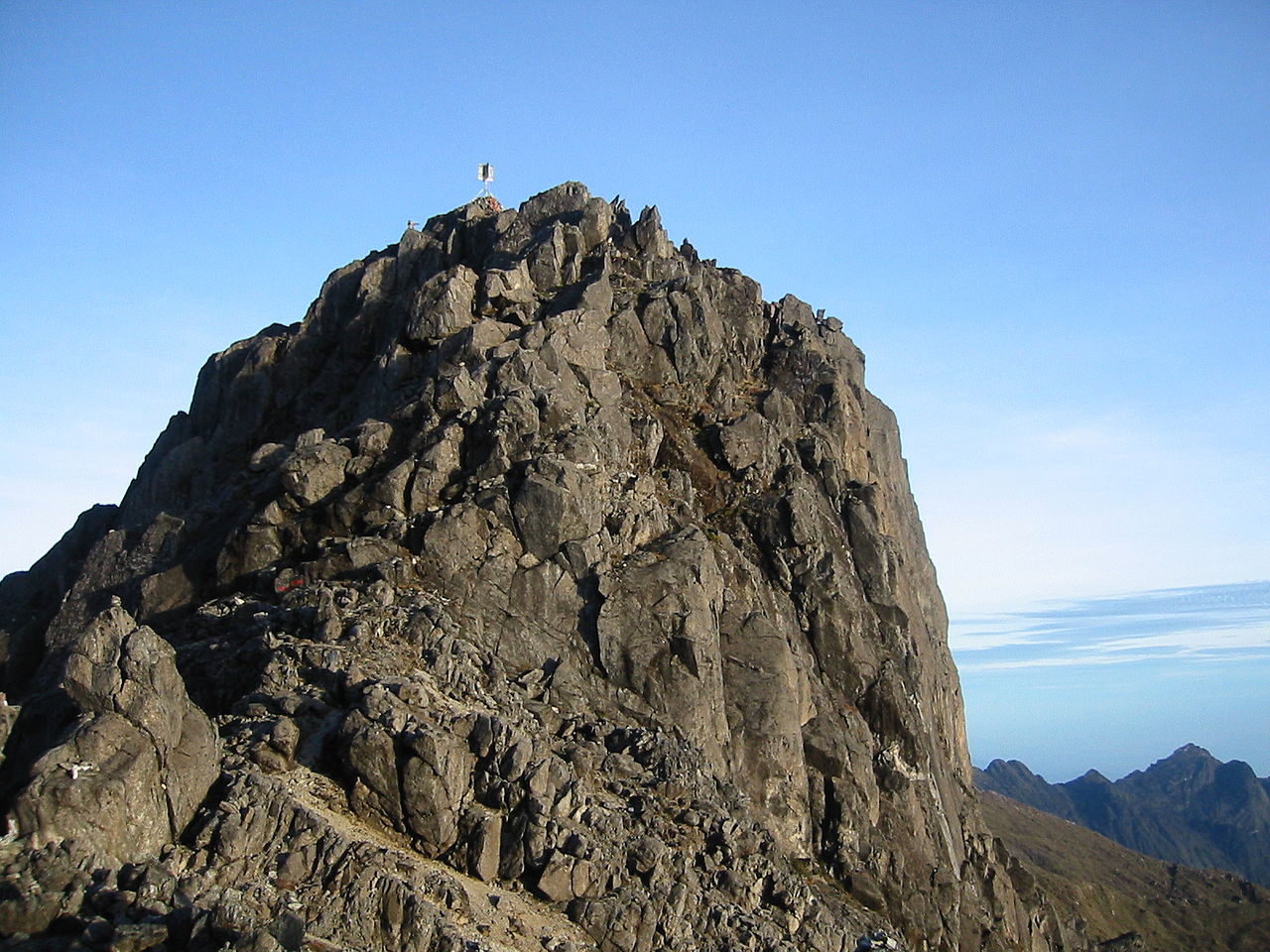
Papua New Guinea (PNG) is one of the world's most culturally diverse and geographically extreme countries — and one of its most genuinely off-the-beaten-path destinations. PNG occupies the eastern half of New Guinea (the world's second-largest island, shared with Indonesia's Papua and West Papua provinces) plus 600+ smaller islands. The country's 9 million people speak 850+ distinct languages — making PNG the world's most linguistically diverse nation per capita (representing about 12% of all human languages spoken). The country is famous for its extraordinary tribal cultures (still maintained in many highland and remote regions), the dramatic Mount Hagen Cultural Show and Goroka Show ("sing-sings" gathering hundreds of tribes in colorful traditional dress), the famous Sepik River carving and crocodile-cult culture, the world-class diving in Milne Bay and Kimbe Bay (some of the world's most biodiverse reef ecosystems), the legendary Kokoda Track (a 96 km mountain trail commemorating one of WWII's most brutal Pacific campaigns), and the famous birds of paradise (45 of the world's 50 species are found here). The country's geography is dramatic — central highlands rising to 4,509 m at Mount Wilhelm, the world's largest tropical rainforest after the Amazon, active volcanoes (including the iconic Tavurvur near Rabaul, which destroyed the original Rabaul town in 1994), and 25,000 km of coastline. Tourism remains genuinely limited — perhaps 200,000 international visitors per year — due to a combination of high costs, limited infrastructure, and security considerations. Climate is tropical with significant regional variation. Most of PNG has a dry season (May-October) and wet season (November-April), with northeast monsoon winds dominating roughly half the year and southeast monsoon the other half. The highlands sit at altitude with cooler year-round temperatures.
Quick verdict
Best overall: May-October (dry season).
Best for Goroka Show (sing-sing, Eastern Highlands): Mid-September (around September 16 Independence Day).
Best for Mount Hagen Cultural Show: Mid-August (varies, often the third weekend).
Best for Kokoda Track trekking: April-November (avoid the wet season).
Best for Sepik River trips and crocodile cult villages: May-October.
Best for diving (Milne Bay, Kimbe Bay, Tufi): April-November.
Best for Tavurvur volcano viewing (Rabaul): Year-round; May-October for clearest views.
Best for Mount Wilhelm trekking: May-September.
Best for birds-of-paradise birding: May-October (mating display season).
Best for Coffee Festival (Goroka): September.
Best for Independence Day: September 16.
Best for budget travelers: January-March (wet season, lowest demand).
Avoid if you can: November-April wet season for trekking (Kokoda Track becomes dangerous); always check current security advisories (some regions have ongoing safety concerns); independent travel outside major cities without local guides.
Dry season (May-October)
PNG at its travel best. Highlands daytime 15-25 °C with cool nights (5-12 °C at higher altitudes); coastal areas 25-30 °C with low humidity by tropical standards. The famous sing-sings (tribal cultural shows) all happen during this window — the Mount Hagen Cultural Show in mid-August and the Goroka Show in mid-September are the country's two biggest events, each gathering 60-100+ different tribes in elaborate traditional costumes (the famous "asaro mudmen," Huli wigmen with their iconic painted faces and feathered headdresses, the Asaro Valley clay-painted dancers, and dozens of distinctive regional tribes).
The famous Sepik River (PNG's longest at 1,126 km) becomes accessible. Multi-day river expeditions visit traditional villages along the lower Sepik where the famous "crocodile cult" male initiation rituals still occur — young men have hundreds of small cuts made into their backs to create permanent crocodile-scale-like scarification (the visible bumps representing crocodile spirit possession). The famous Sepik carving tradition produces some of the world's most extraordinary tribal art — masks, story-board panels, and ancestor figures from villages like Korogo, Kamindimbit, and Palambei.
The Kokoda Track — the 96 km mountain trail across the Owen Stanley Range — operates at peak. The trail commemorates the 1942 Australian-Japanese campaign that prevented the Japanese capture of Port Moresby. The trek takes 8-10 days through dense jungle with significant elevation changes, river crossings, and challenging weather. Most trekking companies operate April-October only; rainy season trails become genuinely dangerous. The Kokoda Track is one of the world's most physically demanding multi-day treks.
Diving operations hit peak. Milne Bay (eastern PNG) and Kimbe Bay (northern PNG) are recognized by many divers as the world's most biodiverse reef ecosystems — Milne Bay has more reef fish species than any other documented reef. The famous "Father's Reefs" and the world's only place where you can swim with stinger-free flat-worms in clear conditions. Liveaboard diving USD 4,000-8,000 per week.
Wet season (November-April)
Heavy rains across most regions; daytime 26-32 °C with high humidity. The famous Kokoda Track becomes essentially impossible due to extreme mud, flooded rivers, and landslide risk — most operators cease operations. Sepik River trips also reduce due to rough river conditions. Coastal diving continues but visibility drops to 10-20 m. Hotel rates drop 30-50%.
This is the famous "monsoon" season — the Northwest Monsoon (December-March) brings the heaviest rains, especially in the lowlands. Cyclones occasionally form, particularly affecting eastern PNG and the Solomon Sea. The famous "Crown Prince Range" and central highlands receive significant rainfall.
Goroka Show (mid-September)
One of the world's most extraordinary cultural events. The Goroka Show — held annually around the September 16 Independence Day — brings 100+ tribal groups to the Goroka Airport festival ground for two days of traditional sing-sings. The visual spectacle is unmatched: elaborate feathered headdresses, painted bodies, traditional musical instruments, and dozens of distinct cultural traditions represented in one place. The Goroka coffee belt — one of PNG's most productive agricultural areas — provides the backdrop. International visitors arrive in growing numbers; book accommodation in Goroka, Mount Hagen, or stay at the famous Bird of Paradise Hotel 6+ months ahead.
Mount Hagen Cultural Show (mid-August)
The original of the famous PNG cultural shows, founded in 1964. Held annually in Mount Hagen (the capital of Western Highlands Province) on a weekend in mid-August. Similar scale and spectacle to Goroka — tribes gather for two days of competition in traditional dance and dress. The famous Huli wigmen (with their unique hair extensions and yellow ochre painted faces), the Asaro mudmen (covered in pale grey clay with massive mud helmet masks), and the Engan tribes are typically featured.
Birds of paradise
PNG hosts 45 of the world's 50 bird-of-paradise species. The famous "Birds of Paradise" — most species exhibit elaborate male display behavior with iridescent plumage — perform their mating dances primarily May-October. Famous viewing sites: Varirata National Park (near Port Moresby), Tari Basin (Huli country, the famous Ribbon-tailed Astrapia), the Sepik tributaries, and the Western Highlands. Birding tour operators include Rockjumper, Sicklebill Safaris, and Field Guides.
Regional/area variations
Port Moresby (national capital, southeastern coast): Year-round; best May-October. The famous Parliament House, Bomana War Cemetery, and PNG Museum.
Eastern Highlands (Goroka, Kainantu): Best August-October. The Goroka Show in September.
Western Highlands (Mount Hagen): Best July-September. The Mount Hagen Show in mid-August.
Sepik River region: Best May-October.
Madang (north coast): Best May-October.
Milne Bay Province (southeastern coast, diving): Best April-November.
Tufi (Oro Province, "fjords" coastline): Best April-November.
Kimbe Bay (West New Britain): Best April-November for diving.
Rabaul (East New Britain, near Tavurvur volcano): Best May-October.
Highlands generally: Best July-October for sing-sings and cultural events.
Kokoda Track (Owen Stanley Range): April-November only.
Mount Wilhelm (4,509 m, highest peak): Best June-September.
Festivals & cultural events
Mount Hagen Cultural Show (mid-August): Original PNG sing-sing; 60+ tribes.
Goroka Show (mid-September, around Independence Day): The country's biggest cultural event with 100+ tribes.
Independence Day (September 16): National celebrations across the country.
Hiri Moale Festival (Port Moresby, September): Combines Independence Day celebrations with traditional Hiri (sailing canoe) culture.
Kalam Cultural Festival (varies, Madang Province): Smaller regional sing-sing.
Sepik Crocodile Festival (varies, Ambunti): Connected to traditional crocodile cult culture.
Frangipani Festival (Rabaul, July): Smaller regional cultural event.
PNG Coffee Festival (Goroka, September): Showcases the famous PNG coffee from the highlands.
National Mask Festival (Rabaul, July): Showcases tribal mask traditions.
Safety and practical considerations
PNG has significant safety considerations that distinguish it from typical Pacific destinations. Port Moresby and Lae have urban crime concerns; armed robberies and tribal violence ("raskol" gangs) are real risks. Outside Port Moresby, travel almost always requires local guides and operators with established tribal connections — the "wantok" (clan loyalty) system means visitors should be careful about respecting local protocols. The famous "compensation culture" can create unexpected demands. Always check current advisories. Most tourism uses established operators (Trans Niugini Tours, PNG Tourism Promotion Authority recommendations) rather than independent travel.
Health: Malaria is endemic in lowland areas (anti-malarials essential). Yellow fever vaccine required only if arriving from yellow fever zones. Hepatitis A and typhoid recommended. Hospital quality varies dramatically — international standard care available only in Port Moresby; Medivac to Australia is standard for serious medical issues.
Practical considerations
Jacksons International Airport (Port Moresby) is the main gateway, with direct flights from Brisbane, Sydney, Cairns (the cheapest gateway from Australia), Singapore, Manila, Hong Kong, Tokyo, and Nadi (Fiji). Air Niugini is the national carrier with regional connections. Inter-PNG travel is essentially by light aircraft — the country has hundreds of airstrips, many of them grass strips serving remote villages. Driving on the left side; roads outside Port Moresby and major cities are generally limited and challenging.
Cultural and practical notes
English, Tok Pisin (a Melanesian Pidgin), and Hiri Motu are the three official languages. Tok Pisin is the everyday lingua franca; almost all PNG'ans speak it as a second language. English is widely understood in tourism. PNG Kina is the currency; cash dominates. Tipping is non-traditional but accepted at tourist establishments. Modest dress required in tribal villages (women cover legs); cultural protocols around photography vary — always ask before photographing people. Sing-sing photography is generally welcomed but specific rituals may be off-limits.
Costs
PNG is one of the world's most expensive countries to visit. International flights to Port Moresby are typically USD 1,500-3,000 round-trip from major hubs. Within-country flights (the only practical way to travel) cost USD 200-500 per flight. Mid-range hotels USD 200-400/night. Tour packages including Sepik River, Mount Hagen Show, or Goroka Show typically cost USD 500-1,500 per day. Budget travelers should plan a minimum USD 5,000-8,000 for a meaningful 7-10 day visit.
Traveler-type advice
Cultural tourists (PNG's main demographic): Mid-August for Mount Hagen Show; mid-September for Goroka Show; combined trips covering both possible in single 2-week itinerary.
Birders: May-October for bird-of-paradise displays.
Adventure travelers and trekkers: April-November for Kokoda Track; June-September for Mount Wilhelm summit.
Divers: April-November for Milne Bay and Kimbe Bay.
WWII history travelers: April-November for Kokoda Track; Rabaul has significant WWII sites year-round.
Anthropologists and traditional culture enthusiasts: July-October for active sing-sing season.
Photographers: Mid-August through mid-September for sing-sings; year-round in Tari Basin for Huli culture.
Budget travelers: PNG is not a budget destination — plan accordingly. November-March offers some shoulder discounts.
Solo travelers: Generally not recommended outside organized tours due to safety considerations.
First-time visitors: 10-14 days minimum, ideally including Port Moresby, Mount Hagen or Goroka, plus Sepik River. Plan extensive logistics months ahead.
Bottom line
Papua New Guinea rewards May-October visits decisively for the famous cultural shows (Mount Hagen Show in August, Goroka Show in September), Kokoda Track trekking, Sepik River expeditions, and world-class diving. The country offers some of the world's most authentic and undertouristed cultural experiences — but requires significant budget, careful planning, established tour operators, and tolerance for limited infrastructure and security considerations. PNG is not a casual destination; it rewards serious travelers willing to invest in the experience.