
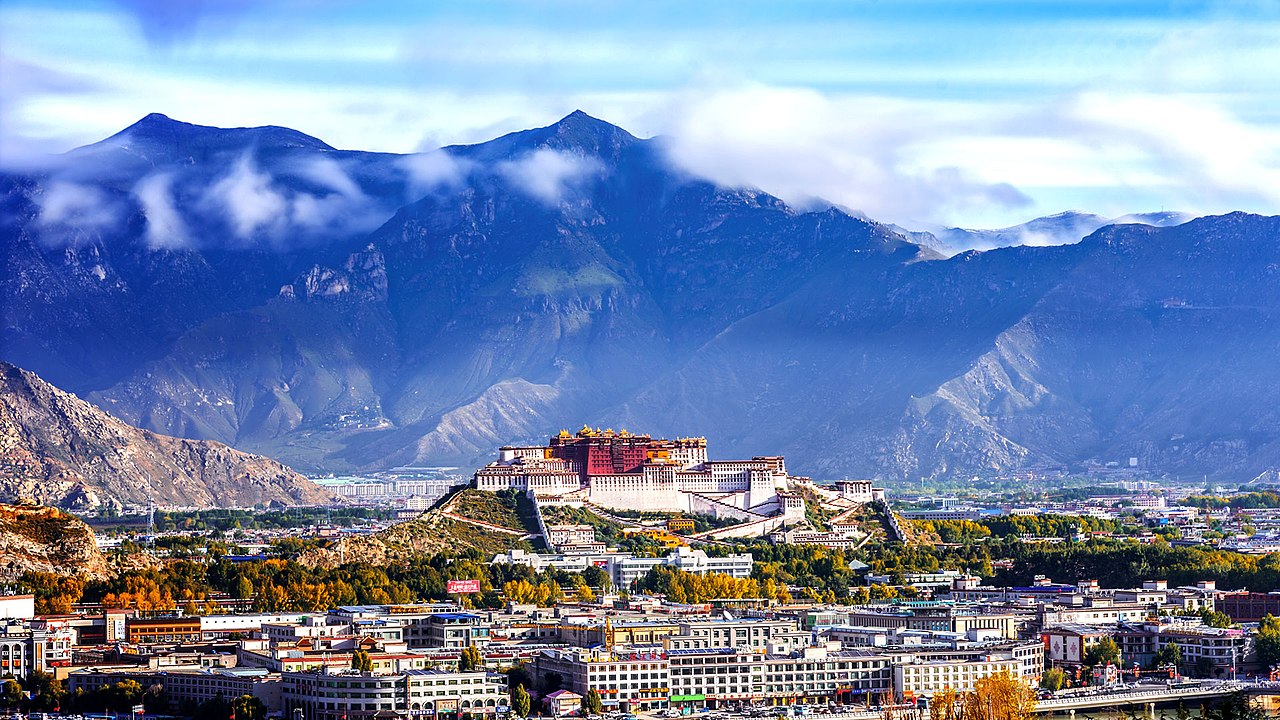
Tibet — the famous "Roof of the World" — is the highest-elevation inhabited region on Earth, with an average elevation of 4,500 m across its 1.22 million km² (China's Tibet Autonomous Region; ethnographic Tibet including parts of Qinghai, Sichuan, Gansu, and Yunnan provinces extends across 2.5 million km²). The region has a population of approximately 3.6 million in the Tibet Autonomous Region (around 6.5 million ethnic Tibetans across all China). Tibet has an extraordinary cultural and religious identity as the famous historic center of Vajrayana (Tibetan) Buddhism — incorporating Indian Buddhist tradition, indigenous Bon religion, and unique mystical practices developed since the 7th-century CE introduction of Buddhism under King Songtsen Gampo. The famous Dalai Lama tradition (the current 14th Dalai Lama, Tenzin Gyatso, has been in exile in Dharamshala, India since 1959 following the Tibetan uprising against Chinese rule), the famous Panchen Lama tradition, and the famous monastic complex traditions (with the famous Gelugpa "Yellow Hat," Sakya, Kagyu, and Nyingma schools) define Tibetan religious culture. Tibet has the famous Lhasa (the capital at 3,656 m elevation — the famous "City of the Sun" with 3,000+ years of cultural history, home to the famous Potala Palace, the famous Jokhang Temple, the famous Barkhor pilgrimage circuit, the famous Sera Monastery, the famous Drepung Monastery, and the famous Ganden Monastery), the famous Potala Palace (the famous 13-story palace built by the 5th Dalai Lama starting 1645, with 1,000+ rooms, 200,000 statues, and extraordinary spiritual and political significance — UNESCO World Heritage), the famous Jokhang Temple (the famous most sacred Tibetan Buddhist temple, founded 7th century CE — UNESCO World Heritage, holding the famous Jowo Shakyamuni statue), the famous Mount Kailash (the famous 6,638 m sacred mountain in western Tibet — considered sacred by four religions: Hinduism, Buddhism, Jainism, and the indigenous Bon religion; the famous "Kailash Kora" pilgrimage circuit of 52 km is one of the world's most spiritually significant journeys), the famous Lake Manasarovar (the famous sacred lake at 4,590 m near Mount Kailash — considered the highest navigable freshwater lake in the world), the famous Yamdrok Lake (one of the famous "Three Great Sacred Lakes," 4,441 m elevation with extraordinary turquoise color), the famous Namtso Lake (the famous "Heavenly Lake" at 4,718 m — among the world's highest large lakes), the famous Tashilhunpo Monastery in Shigatse (the famous seat of the Panchen Lama), the famous Mount Everest North Face / Mount Qomolangma (the famous Tibetan name for Everest at 8,848.86 m, with the famous Rongbuk Monastery as the world's highest monastery at 5,000 m, providing the famous "best Everest base camp view" arguably better than the Nepal side because of unobstructed views), the famous Shigatse (Tibet's second-largest city), the famous Gyantse (with the famous Pelkor Chode Monastery and the famous Gyantse Kumbum), and the famous Tibetan Plateau (the famous high-altitude desert and grassland landscape that defines Tibet visually). IMPORTANT: Tibet requires special permits for all foreign visitors — the famous "Tibet Travel Permit" obtained only through registered Lhasa-based tour operators, NOT directly from Chinese embassies. Foreign visitors cannot travel independently in Tibet — all visits must include a registered guide and pre-arranged itinerary. Permits typically require 30-45 days to process. Tibet closes to foreign visitors at varying times throughout the year (typically February-March around Tibetan New Year/Losar and other politically sensitive periods); verify current accessibility before booking. Climate is high-altitude continental cold semi-arid (BSk in Köppen at lower elevations) and alpine tundra (ET at higher elevations) — featuring intense solar radiation due to altitude, dramatic temperature swings between day and night, low humidity, and the famous Indian Summer Monsoon influence in eastern Tibet (June-September brings rainfall to eastern regions while western Tibet remains drier year-round).
Quick verdict
Best overall: May-June and September-mid-October.
Best for the famous Saga Dawa Festival (most important Buddhist holiday): Late May-early June (varies — full moon of the 4th Tibetan lunar month, celebrating Buddha's birth, enlightenment, and parinirvana).
Best for the famous Mount Kailash kora (52 km pilgrimage circuit): Mid-May-mid-October (with peak weather June and September); the famous Saga Dawa period provides extraordinary spiritual significance.
Best for the famous Mount Everest base camp visits: Late April-early June and September-October (clearest views).
Best for the famous Lhasa Potala Palace and Jokhang Temple visits: Year-round; May-October for milder weather.
Best for the famous Sera Monastery debating sessions: Daily at 3:00 pm Monday-Friday year-round.
Best for the famous Drepung Monastery and Ganden Monastery: May-October.
Best for the famous Tashilhunpo Monastery in Shigatse: May-October.
Best for the famous Yamdrok Lake views: May-October.
Best for the famous Namtso Lake (the "Heavenly Lake"): June-September (road typically closed November-April due to snow).
Best for the famous Lake Manasarovar: May-October.
Best for the famous Friendship Highway drive (Lhasa to Kathmandu): May-October.
Best for the famous Tibetan New Year (Losar): Late February-early March (varies by lunar calendar) — though Tibet often closed to foreign visitors during this period.
Best for the famous Shoton Festival (Yogurt Festival) at Drepung Monastery: Late August (varies by Tibetan calendar) — extraordinary thangka unveiling ceremony.
Best for the famous "Bathing Festival" (Karma Dunpa): Early September.
Best for the famous Damxung Horse Racing Festival: Early August.
Best for the famous Nagchu Horse Racing Festival: Mid-August.
Best for the famous Ladakh-style "Hemis Festival" equivalent in Tibet: Various monastery festivals throughout summer.
Best for the famous Tibetan summer wildflower bloom across the plateau: Mid-June-late July.
Best for clearest Himalayan mountain views: October-early November (driest, clearest atmospheric conditions).
Best for budget travelers: April and November (lower demand outside permit-allowed windows).
Avoid if you can: February-March (Tibet typically closed to foreign visitors around Losar/Tibetan New Year and sensitive political anniversaries); July-mid-August monsoon period (clouds obscure Everest and Himalaya views, road landslides possible); winter visits to Namtso, Mount Kailash, or remote western Tibet (most roads closed November-April); any travel without registered permits and guide (immediate detention and deportation); altitude sickness without proper acclimatization (the famous "AMS" — Acute Mountain Sickness — affects 50%+ of unacclimatized visitors at 3,500+ m and can be fatal; Lhasa at 3,656 m requires 1-2 days minimum acclimatization).
Spring season (April-mid June) — Tibet's tourism peak
Tibet at its peak tourism conditions. The famous spring season — when sub-monsoon clouds have not yet developed but snow has melted from major roads and trekking routes — provides the year's clearest Himalayan views and most accessible high-altitude travel. Daytime in Lhasa 15-22 °C with overnight lows 1-5 °C; daytime at Everest base camp 5-12 °C with overnight lows -5 to 0 °C; daytime at Mount Kailash 5-15 °C with overnight lows -5 to 0 °C. The famous high-altitude solar radiation (UV indices commonly reach 11-13 at 3,500+ m elevations) requires extensive sun protection.
Lhasa — Tibet's spiritual and political heart — at peak. The famous Potala Palace (the 13-story palace built by the 5th Dalai Lama beginning 1645, the famous "Red Palace" containing the famous chapels and tombs of past Dalai Lamas, the famous "White Palace" containing former government and residential quarters; UNESCO World Heritage; daily visitor numbers strictly limited and tickets must be reserved through your guide 1-3 days in advance) provides Tibet's defining cultural experience. The famous Jokhang Temple (Tibet's most sacred temple, founded 7th century CE, housing the famous Jowo Shakyamuni statue brought by the Chinese princess Wencheng) and the famous Barkhor pilgrimage circuit (where pilgrims walk the kora around the Jokhang, often doing full prostrations — providing extraordinary cultural depth) define the Lhasa experience. The famous Sera Monastery debate sessions (held daily at 3:00 pm Monday-Friday, where monks engage in famous theological debates with extraordinary hand-clapping gestures) and the famous Drepung Monastery (formerly the world's largest monastery with 10,000+ monks before 1959, currently 500+ monks) provide depth.
The famous "Tibet Travel Permit" — required for all foreign visitors — must be obtained through Lhasa-based tour operators. Most permits require 30-45 days lead time. Visitors arrive at Lhasa Gonggar Airport (LXA) by direct flights from Chengdu, Xi'an, Beijing, Kunming, Shanghai, Kathmandu, or via the famous Qinghai-Tibet Railway (the world's highest railway, crossing the Tanggula Pass at 5,072 m, completed 2006).
The famous "Friendship Highway" — the dramatic 920 km road from Lhasa to the Nepalese border via Gyantse, Shigatse, Tingri, and the famous "Pang La Pass" (5,200 m) — provides the famous overland Tibet experience. The famous "Gyantse Pelkor Chode Monastery" with the famous "Kumbum" (the 35-meter-tall stupa with 108 chapels) and the famous "Tashilhunpo Monastery" in Shigatse (the seat of the Panchen Lama, with the famous massive gold-roofed temples and the world's largest gilded Buddha statue) provide essential cultural stops.
The famous Everest Base Camp (Tibetan/North side, at 5,150 m) provides the famous "best Everest view" — arguably better than the Nepal side because of unobstructed mountain views. The famous Rongbuk Monastery (the world's highest monastery at 5,000 m) provides extraordinary cultural and photographic experience. The famous Everest views are clearest in late April-mid June and September-October. Visitors typically stay in tent camps at base camp for 1-2 nights.
Saga Dawa Festival (late May-early June)
Tibet's most important Buddhist festival. The famous "Saga Dawa" — the full moon of the 4th Tibetan lunar month — celebrates the famous "Triple Anniversary" of Buddha's birth, enlightenment, and parinirvana (final passing). The 30-day Saga Dawa month is considered a period of extraordinary merit accumulation — single good deeds during this month are believed to multiply 100,000-fold spiritual benefit. The Saga Dawa full moon day is the famous peak.
The famous Mount Kailash Kora pilgrimage during Saga Dawa is one of the world's most extraordinary spiritual events. The famous 52 km circuit around Mount Kailash (typically 3 days, crossing the famous Dolma La Pass at 5,630 m) is believed to wash away the sins of a lifetime in a single circumambulation. The famous "108 circumambulations" tradition (believed to guarantee enlightenment in this lifetime) is undertaken by serious practitioners. Thousands of Tibetan, Indian, and Bhutanese pilgrims gather for Saga Dawa kora attempts.
The famous Saga Dawa flag-raising ceremony at Tarboche near Mount Kailash provides extraordinary cultural moment. The famous Indian government Mount Kailash Mansarovar Yatra pilgrimage operates during this period. The famous Hindu pilgrim numbers can exceed Tibetan during Saga Dawa.
Autumn (September-October) — Tibet's other peak window
Tibet at its photographic peak. The famous "post-monsoon" period brings the year's clearest atmospheric conditions, with extraordinary visibility for Himalayan photography. Daytime in Lhasa 12-20 °C; daytime at Everest base camp 0-10 °C; overnight lows can drop sharply (Lhasa to -5 °C, base camp to -15 °C). The famous high-altitude golden light, the famous yellowing Tibetan poplar trees and barley fields, and the famous reduced tourist numbers (compared to spring) make autumn arguably Tibet's most rewarding photographic season.
The famous Shoton Festival (Yogurt Festival) at Drepung Monastery — typically late August (varies by Tibetan calendar) — provides Tibet's most extraordinary monastery festival experience. The famous "Thangka Unveiling" — when a 30-meter-tall thangka painting (sacred Buddhist art on cloth) is unrolled on a mountainside at sunrise, with thousands of pilgrims gathering — provides one of Buddhism's most photographed moments. The famous Lhasa Shoton Festival continues for a week with Tibetan opera performances, picnics in Norbulingka Palace gardens, and traditional cultural celebrations.
Winter (November-March)
Tibet at its harshest. Daytime in Lhasa -5 to 8 °C with overnight lows -15 to -10 °C; rural Tibet much colder; Mount Kailash region effectively inaccessible. The famous "Tibet winter closure" — when many foreign permits are difficult or impossible to obtain due to politically sensitive anniversaries (especially around Losar/Tibetan New Year in February-March, and the famous March 10 Lhasa Uprising anniversary) — affects winter travel planning significantly. The famous Losar (Tibetan New Year) is the largest indigenous holiday but typically not accessible to foreign visitors.
Winter offers extraordinary photography conditions when accessible — clear cold skies, snow-capped Himalaya, and minimal tourist crowds. Some Lhasa-focused itineraries operate year-round; verify with operators well in advance.
Acclimatization and altitude considerations
Tibet's elevation — Lhasa at 3,656 m, Everest base camp at 5,150 m, Mount Kailash kora high pass at 5,630 m — requires serious acclimatization. The famous "AMS" (Acute Mountain Sickness) affects 50%+ of unacclimatized visitors at 3,500+ m. Symptoms include headache, nausea, fatigue, shortness of breath, and sleep disturbance. The famous "HACE" (High Altitude Cerebral Edema) and "HAPE" (High Altitude Pulmonary Edema) are life-threatening progressions of AMS requiring immediate descent.
Recommended acclimatization: 2+ days in Lhasa before higher elevation travel; gradual ascent (no more than 500 m elevation gain in sleeping altitude per day above 3,000 m); famous "Diamox" (acetazolamide) prophylaxis discussed with physician; extensive hydration; avoiding alcohol and excessive exertion during first 48 hours; comprehensive medical insurance covering emergency evacuation. Many operators recommend cardiovascular fitness preparation 2-3 months before Tibet travel. Individuals with cardiac, respiratory, or vascular conditions should consult specialists before Tibet travel.
Festivals & cultural events
Saga Dawa Festival (late May-early June, varies): Most important Buddhist holiday celebrating Buddha's birth, enlightenment, and parinirvana.
Shoton Festival / Yogurt Festival (late August, varies): Extraordinary thangka unveiling at Drepung Monastery in Lhasa.
Damxung Horse Racing Festival (early August): Major nomadic culture celebration.
Nagchu Horse Racing Festival (mid-August): Northern Tibet's premier festival.
Bathing Festival / Karma Dunpa (early September): Tibetan ritual bathing ceremony.
Ganden Thangka Festival (June, varies): Major monastic celebration.
Onkor (Bumper Harvest) Festival (varies July-September by region): Agricultural celebration.
Tibetan New Year (Losar, late February-early March, varies): Largest indigenous holiday — though typically not accessible to foreigners.
Butter Lamp Festival (varies): 15th day of the 1st Tibetan month.
Tsongkhapa Anniversary (varies November-December): Founder of the Gelugpa school's celebration.
Universal Prayer Festival (Monlam Chenmo, varies): Major Gelugpa religious event.
Cultural and practical notes
Tibetan (a Sino-Tibetan language) is the indigenous language; Mandarin Chinese is the official administrative language. English is rarely spoken outside major hotels. Chinese Yuan (CNY/RMB) is the currency. Driving on the right side. Foreign visitors must travel with registered guides at all times outside Lhasa hotel premises. Cultural sensitivity is essential — photography of soldiers, security checkpoints, and political demonstrations is strictly forbidden; political discussions with locals can result in their detention; references to Tibetan independence, the Dalai Lama, or Free Tibet movement should be avoided in public conversations. Most travelers report that Tibetans are warmly welcoming despite political constraints.
Practical considerations
Lhasa Gonggar International Airport (LXA) is the main entry point — daily flights from Chengdu, Xi'an, Beijing, Kunming, Shanghai, and Kathmandu. The famous Qinghai-Tibet Railway from Xining (the world's highest railway) provides scenic alternative entry. All travel within Tibet requires registered guides — independent travel impossible. Tibet Travel Permits processed through licensed Lhasa-based operators only (cannot be obtained directly from Chinese embassies). Recommended Tibet operators: contact China-based tour agencies specializing in Tibet, with most reputable having offices in both Lhasa and major Chinese cities.
Traveler-type advice
First-time visitors (Lhasa cultural focus): May-June and September-October.
Cultural and religious travelers: Saga Dawa period (late May-early June) for spiritual peak; Shoton Festival (August) for cultural festivals.
Mount Kailash pilgrims: Saga Dawa period or May-October generally.
Everest North Face viewers: Late April-early June and September-October for clearest views.
Photographers: September-October for cleanest atmosphere and post-monsoon clarity; spring for accessibility.
Trekkers: May-September (specific trek seasonality varies — high passes typically open June-September).
Cultural immersion travelers: Shoton Festival (August) and Saga Dawa (May-June).
Lake and lakes travelers: May-October (Namtso road open June-September only).
Tibetan Buddhism students: Sera Monastery debates daily; multiple monastery festivals throughout year.
Adventure travelers (Friendship Highway, Kailash kora): May-October.
Photography enthusiasts: Late October-early November for clearest skies, dramatic golden light, and Himalayan visibility.
Budget travelers: April and November (between peak periods, with lower demand).
Combined Tibet-Nepal travelers: Lhasa to Kathmandu via Friendship Highway (typically 8-10 days) — May-October optimal.
Bottom line
Tibet rewards May-June and September-mid-October visits decisively for clearest weather, accessible high-altitude routes, and full Himalayan photographic conditions. The famous Saga Dawa Festival (late May-early June) provides extraordinary spiritual significance for Mount Kailash kora and other major pilgrimages. Tibet's extreme altitude (Lhasa at 3,656 m; Everest base camp at 5,150 m; Mount Kailash kora at 5,630 m) requires serious acclimatization preparation and respect for altitude sickness risks. All foreign visitors require Tibet Travel Permits obtained only through Lhasa-based registered tour operators with 30-45 day lead times — independent travel is impossible. Despite logistical complexity, Tibet provides one of Earth's most spiritually and culturally distinctive experiences — the famous "Roof of the World" combination of dramatic high-altitude landscapes, profound Vajrayana Buddhist culture, world-class Himalayan photography opportunities, and one of the world's most extraordinary monastic traditions. For a complete Tibet experience, allow 10-14 days minimum (typically 3-4 days Lhasa, 2-3 days Everest, 4-6 days Mount Kailash kora). Verify current accessibility for foreign visitors before booking — Tibet closes to international travelers at various times throughout the year due to political sensitivities, particularly February-March around Losar.