
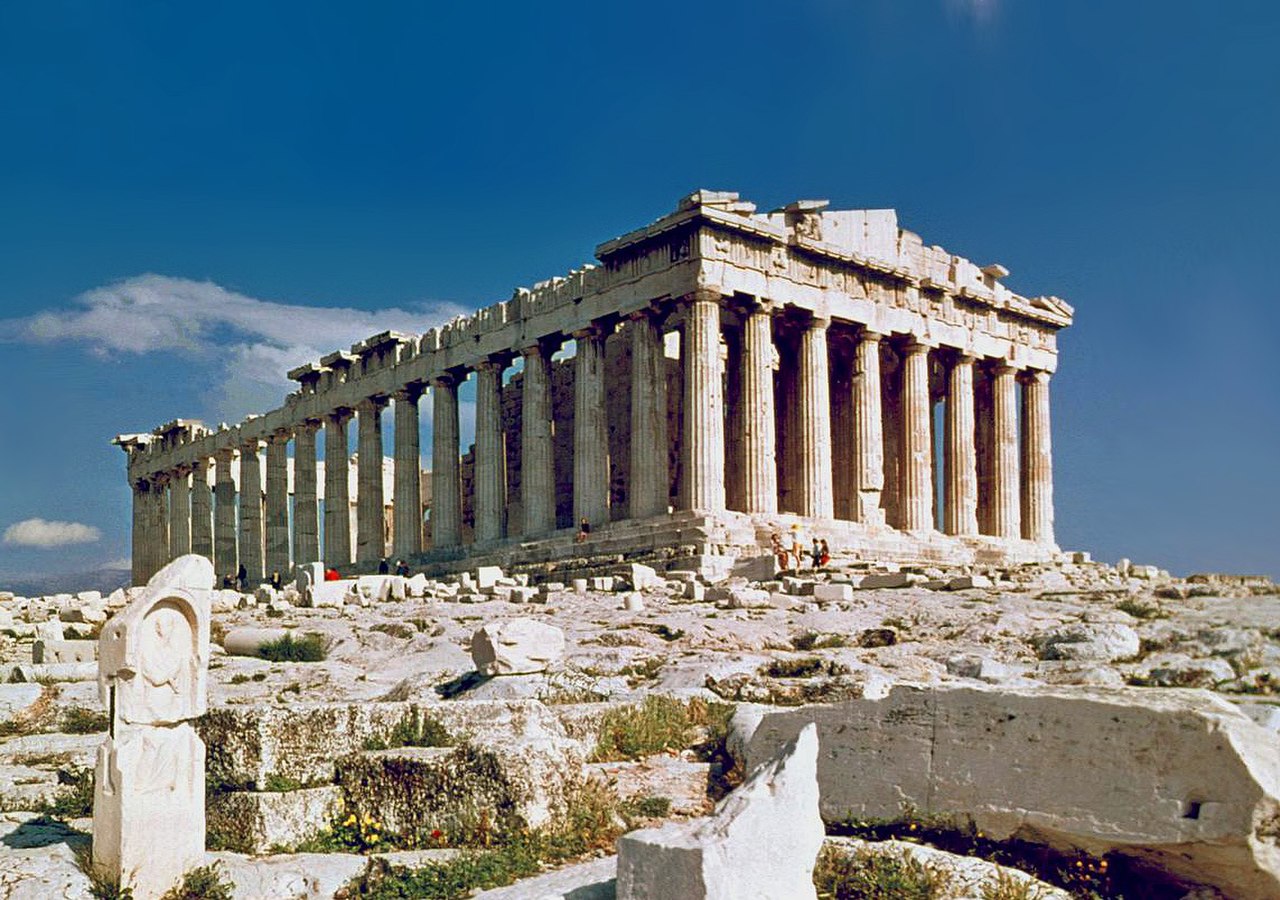
Greece has a Mediterranean climate (Köppen Csa) defined by hot, dry summers of 28–35°C (82–95°F) and mild, wet winters of 8–14°C (46–57°F), with the best time to visit falling in May–June and September–October, when the weather is warm, the sea is swimmable, and the summer crowds have thinned. Stretched across the southern Balkan Peninsula and more than 6,000 islands, Greece is one of the sunniest countries in Europe, soaking up roughly 2,500–3,000 hours of sunshine a year.
What kind of climate does Greece have?
The dominant climate is classic Mediterranean: rain is squeezed into the cooler half of the year while summers stay almost completely dry. Coastal and island regions show this pattern most sharply, with long, rainless summers and gentle, rainy winters. The country's average annual temperature sits around 18°C (64°F), but that single figure hides enormous variety.
Northern Greece, including Thessaloniki and the regions of Macedonia and Thrace, leans more continental, with genuinely cold winters and occasional snow. The mountain spine of the Pindus and ranges such as Epirus carry an alpine climate (Köppen Dfb) where heavy snowfall is normal and ski resorts operate through winter. So while a visitor in Santorini bakes in July sun, peaks like Mount Olympus may still hold snow from the previous season.
Greek seasons and temperatures
- Spring (April–May): 15–25°C (59–77°F) — wildflowers, green hills, mild and pleasant
- Summer (June–August): 25–35°C (77–95°F) — hot, dry, intensely sunny
- Autumn (September–November): 14–25°C (57–77°F) — warm seas, easing heat
- Winter (December–March): 5–14°C (41–57°F) — mild in the south, cold in the north
Greek summers are reliably scorching. Athens routinely tops 35°C in July and August, and the sea warms to a comfortable 24–26°C by midsummer. Islands feel marginally cooler thanks to sea breezes, though Crete and Rhodes can match mainland highs. Winters split the country in two: southern Greece and the islands stay mild at 10–16°C with rainy spells, while Thessaloniki averages near 6°C in January and the northern mountains see significant snow. Athens itself sees snow only occasionally.
The Meltemi wind and regional weather patterns
The single most distinctive feature of Greek summer weather is the Meltemi, a strong, dry north wind that sweeps down the Aegean from roughly June to September. It acts as natural air conditioning across the Cyclades and the eastern Aegean, knocking the edge off the heat on islands like Mykonos, Naxos and Paros. The trade-off is rough seas: when the Meltemi reaches gale force, ferry sailings are frequently cancelled, occasionally stranding travelers for a day or two.
There is also a sharp east–west divide in rainfall. Western Greece, exposed to weather systems crossing the Ionian and Adriatic Seas, is far wetter than the eastern Aegean. Corfu and Kefalonia stay notably greener and lusher, while the central Aegean islands remain arid and sun-baked for most of the year.
Rainfall: where and when it falls
- Driest period: June–August, with virtually no rain
- Wettest months: November through January
- Corfu (west): around 1,200 mm of rain per year
- Cyclades (central Aegean): only 350–400 mm per year
Greece has one of the driest summers in Europe. Athens collects less than 10 mm of rain across the entire June–August window, so a summer visitor can essentially plan around uninterrupted sunshine. Rain returns in autumn and peaks in December and January, but even then it tends to arrive in short bursts rather than sustained gloom. The contrast between rainy Corfu and the parched Cyclades — roughly a threefold difference — explains why the western islands look so green while the central Aegean stays famously bleached and white.
When is the best time to visit Greece?
- Athens and the mainland: April–June and September–October
- Greek islands: May–June and September–October
- Crete: April–November, the longest comfortable season
- Northern Greece and mountains: May–October for hiking; winter for snow
The shoulder seasons are Greece's sweet spot. May–June and September–October deliver warm, sunny days, swimmable seas, lighter crowds and lower prices than the July–August peak. September and October are especially rewarding because the sea retains its summer warmth at 23–24°C, so late-season island swimming is excellent. July and August bring the hottest temperatures, the highest prices and the busiest beaches, though the Meltemi makes the Cyclades surprisingly bearable. Winter favours cultural travel — touring Athens, the archaeological sites and museums without queues. For more on the country itself, see our greece country guide.
Frequently Asked Questions
What is the hottest month in Greece?
July and August are the hottest, with mainland highs regularly exceeding 35°C and Athens occasionally pushing into the 40s. Greece's all-time record of 48°C, set near Athens in 1977, remains one of the highest temperatures ever recorded in Europe.
Does it snow in Greece?
Yes, but mainly in the north and the mountains. The Pindus range, Epirus and Macedonia receive heavy snowfall and support ski resorts. Thessaloniki sees occasional snow, and even Athens gets a rare dusting, though winters in the south are usually just mild and rainy.
Is the sea warm enough to swim in autumn?
Very much so. The Aegean and Ionian Seas hold their warmth well into autumn, sitting around 23–24°C through September and October. Crete's sheltered south coast can stay swimmable into November, making it the country's longest beach season.
Which Greek islands are the driest and sunniest?
The Cyclades — including Santorini, Mykonos and Naxos — are among the driest places in Greece, with under 400 mm of rain a year. Combined with the cooling Meltemi wind, they offer some of the most dependable summer sunshine in the country.