
Introduction
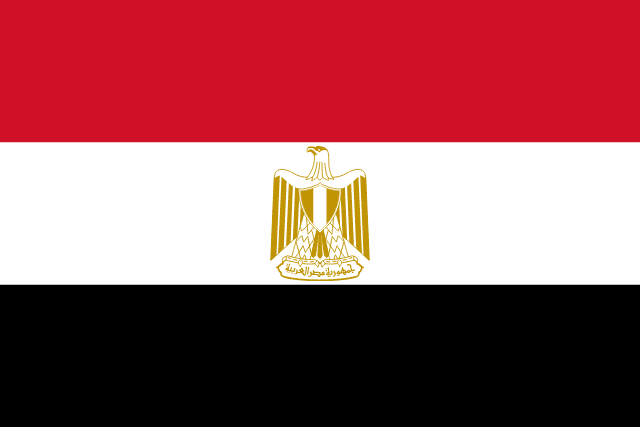
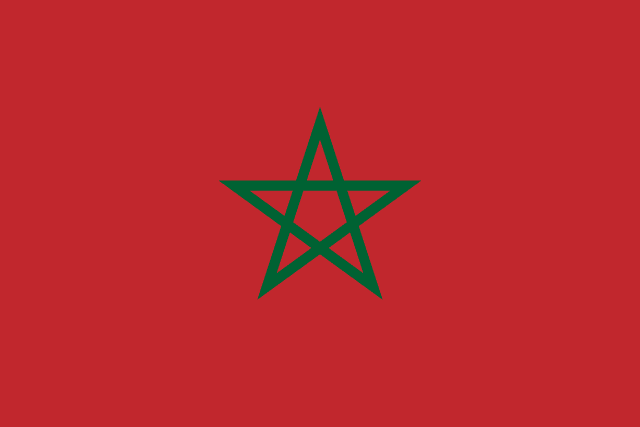
Egypt 🇪🇬 and Morocco 🇲🇦 anchor opposite ends of North Africa, one guarding the gateway between the Mediterranean and the Red Sea, the other where the continent reaches toward the Atlantic and faces Europe across a narrow strait. Both are magnets for travelers and heavyweights of regional culture. This comparison sets them side by side on area, population, capitals, climate, and the landmarks that define them.
Whether you are studying geography, weighing a North African itinerary, or just curious how the two stack up, the figures below cover the essentials.
Size & Geography
| Feature | Egypt 🇪🇬 | Morocco 🇲🇦 |
|---|---|---|
| Area | 1,002,450 km² | 446,550 km² |
| Continent | Africa | Africa |
| Region | North Africa | North Africa |
| Land Borders | Libya, Sudan, Israel, Palestine | Algeria, Western Sahara, Spain (Ceuta & Melilla) |
| Landscape | vast desert with the fertile Nile Valley | Atlas Mountains, Sahara Desert, Atlantic and Mediterranean coasts |
Egypt is the larger of the two by a wide margin, its 1,002,450 km² roughly 2.2 times Morocco's 446,550 km². The terrain explains a lot about each country. Egypt is mostly desert, with the population and farmland confined to the fertile Nile Valley that threads through it. Morocco is more varied within a smaller frame, combining the Atlas Mountains, a slice of the Sahara, and a long double coastline on both the Atlantic and the Mediterranean. Their borders point in different directions as well: Egypt looks east toward Libya, Sudan, Israel, and Palestine, while Morocco faces Algeria, Western Sahara, and the Spanish enclaves of Ceuta and Melilla.
Population & Demographics
| Metric | Egypt 🇪🇬 | Morocco 🇲🇦 |
|---|---|---|
| Population | 120.1 million | 38.8 million |
| Population Density | 119.8 per km² | 86.8 per km² |
The population gap is even wider than the gap in land. Egypt's 120.1 million people are about 3.1 times Morocco's 38.8 million, making Egypt the most populous country in the Arab world. Egypt also runs denser overall, at 119.8 people per km² against Morocco's 86.8, a difference of roughly 33.0 people per km². The figure for Egypt is striking given how much of its territory is empty desert, which means the true crowding along the Nile is far greater than the national average implies.
Capital Cities
Cairo is the capital of Egypt and Rabat the capital of Morocco, and both sit within North Africa. One subtle point often trips people up: while Cairo is also Egypt's largest and most famous city, Morocco's capital is Rabat rather than the better-known Casablanca, the country's largest city and economic hub.
Language, Currency & Culture
| Aspect | Egypt 🇪🇬 | Morocco 🇲🇦 |
|---|---|---|
| Languages | Arabic (official), Egyptian Arabic widely spoken | Arabic and Berber (both official), French widely used |
| Currency | Egyptian Pound (EGP) | Moroccan Dirham (MAD) |
Both countries are Arabic-speaking, but the linguistic landscape differs. Egypt's official language is Arabic, with Egyptian Arabic the dominant spoken dialect, one widely understood across the Arab world thanks to the reach of Egyptian film and music. Morocco recognizes both Arabic and Berber as official languages and uses French extensively in business and education, a legacy of the colonial era. Each keeps its own currency, the Egyptian Pound (EGP) and the Moroccan Dirham (MAD).
Climate & Natural Features
| Aspect | Egypt 🇪🇬 | Morocco 🇲🇦 |
|---|---|---|
| Climate | desert; hot, dry summers and mild winters | Mediterranean in the north, arid in the south |
| Key Features | Nile River, Sahara Desert, Suez Canal, Sinai Peninsula | Atlas Mountains, Sahara Desert, Rif Mountains |
| Economy | tourism, Suez Canal revenues, oil, agriculture | agriculture, phosphates, tourism, textiles |
Egypt's climate is desert through and through, hot, dry summers and mild winters, and its defining features mix the timeless and the strategic: the Nile River, the Sahara Desert, the Suez Canal, and the Sinai Peninsula. Morocco is greener in the north, where a Mediterranean climate prevails, turning arid as you move south toward the Sahara. Its landscape is mountainous, shaped by the Atlas Mountains, the same Sahara Desert, and the Rif Mountains along the north. The economies line up differently too: Egypt earns from tourism, Suez Canal revenues, oil, and agriculture, while Morocco draws on agriculture, phosphates, of which it holds some of the world's largest reserves, tourism, and textiles.
What Makes Each Country Unique
Egypt is famous worldwide for the Pyramids of Giza, its ancient pharaonic civilization, and the Nile River. The Great Pyramid of Giza was the tallest man-made structure on Earth for more than 3,800 years.
Morocco is known for its colorful souks and medinas, the Sahara Desert, and dishes such as tagine and couscous. The University of al-Qarawiyyin in Fez, founded in 859 AD, is recognized as the oldest existing university in the world.
Key Differences at a Glance
- Area: Egypt (1,002,450 km²) vs Morocco (446,550 km²) — Egypt is 2.2x larger
- Population: Egypt (120.1 million) vs Morocco (38.8 million) — Egypt is 3.1x more populous
- Capitals: Cairo vs Rabat
- Currency: Egyptian Pound (EGP) vs Moroccan Dirham (MAD)
- Continents: Africa vs Africa
- Density: Egypt is more densely populated (difference of ~33.0 people per km²)
- Languages: Arabic (official) vs Arabic and Berber (both official)
Verdict
Both North African tourism and culture powerhouses, Egypt and Morocco draw millions of visitors yet differ in scale and setting. Egypt is the larger and far more populous, 2.2 times the area and 3.1 times the population, a desert nation built around the Nile. Morocco packs mountains, coastline, and desert into a smaller territory at the continent's northwest corner.
Egypt's calling cards are its desert climate and ancient monuments along the Nile, from the Pyramids to the Suez Canal. Morocco offers a Mediterranean north grading into arid south, the peaks of the Atlas, and the living medinas of cities like Fez and Marrakech. Economically, Egypt leans on tourism and the Suez Canal while Morocco builds on agriculture and its vast phosphate reserves.
Read together, the two make a vivid case for how much variation a single region can hold. For students, travelers, and the simply curious, lining up the numbers is one of the clearest ways to see what sets these two giants of North Africa apart.
Test Your Knowledge!
Think you know your countries? Try our interactive geography quiz!
Play Geography Games →