
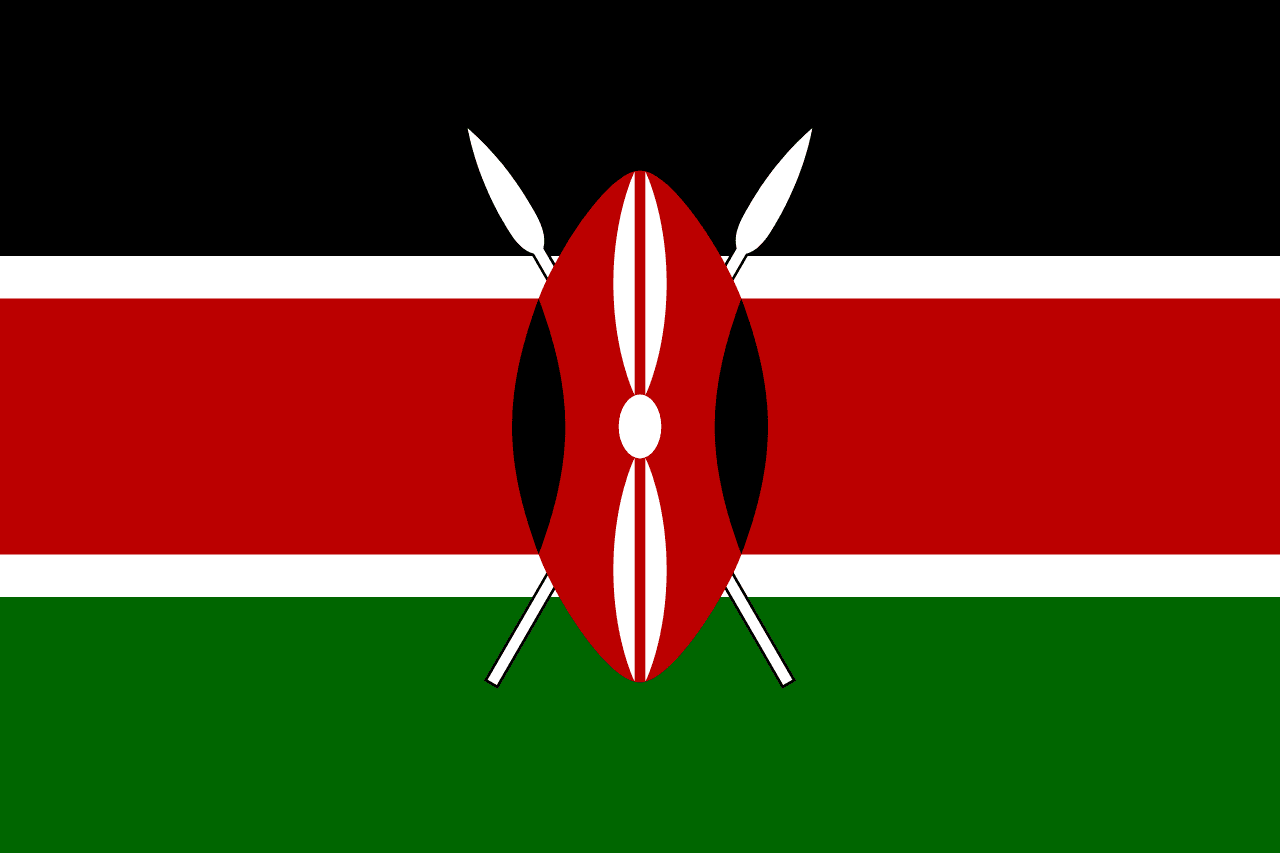
The national sport of Kenya is athletics, and more specifically long-distance running, the discipline in which Kenyan athletes have dominated the world stage for more than half a century. While Kenya has never passed a law formally crowning a single national sport, running is so deeply woven into the country's identity that it functions as the unofficial national sport by overwhelming consensus. From the Olympic 800 metres to the world's great city marathons, the red, black, green and white of Kenya is one of the most familiar sights in the sport.
Why running became Kenya's national sport
Kenya's reputation rests on results rather than tradition. The country has accumulated well over 100 Olympic medals, the vast majority of them won on the track and the roads in events from 800 metres up to the marathon. Few nations of comparable size win so consistently across so many distance events, and that sustained excellence — stretching back to breakthrough performances in the late 1960s — is what elevated running above football, rugby and cricket in the national imagination. When Kenyans speak of national pride in sport, they almost always mean the runners.
The dominance is also remarkably geographic. A large share of Kenya's champions come from the highlands of the Rift Valley, around the towns of Iten and Eldoret, where altitudes above 2,000 metres are thought to aid the development of endurance. Iten in particular has become a global pilgrimage site for distance runners, who travel there to train alongside Kenyan athletes at altitude.
The Kalenjin phenomenon
One of the most studied stories in modern sport is the success of the Kalenjin people. This ethnic group makes up only around 12 percent of Kenya's population, yet it has produced an estimated 70 percent or more of the country's Olympic running medalists. That makes the Kalenjin community possibly the most concentrated source of elite distance-running talent anywhere in the world.
Researchers have proposed a mix of explanations — high-altitude living, an active rural lifestyle that often includes running to school, favourable body proportions such as long, slender lower legs, and a powerful culture of mentorship where young athletes train in the slipstream of established champions. No single factor explains it fully, but together they help account for why so many world-beaters share roots in a relatively small part of the Rift Valley.
Legendary Kenyan athletes
Kenya's running history is studded with global icons:
- Eliud Kipchoge — widely regarded as the greatest marathoner of all time, holder of the official marathon world record and the first person to run the distance in under two hours, in a special non-record-eligible event.
- David Rudisha — set the 800 metres world record of 1:40.91 while winning Olympic gold in London in 2012, a mark that has stood as one of the longest-lasting records in athletics.
- Kipchoge Keino — the pioneering champion of the 1968 and 1972 Olympics who first put Kenyan running on the map.
- Catherine Ndereba and Brigid Kosgei — among the women who have repeatedly won and set records at the world's biggest marathons.
Kenyan runners also win an outsized share of the major city marathons each year — Boston, London, Berlin, Chicago, New York and Tokyo regularly see Kenyan athletes on the podium, often filling several of the top places at once.
Beyond the elite: a national passion
Running is not only a high-performance pursuit in Kenya; it is part of everyday culture. National cross-country championships are fiercely competitive, and the country's depth is so great that selection for the Kenyan team can be harder than winning an international final. Athletics features prominently in schools, and successful runners are celebrated as national heroes, with prize earnings and endorsements transforming the fortunes of athletes from modest rural backgrounds.
Other sports do have a following. Football is the most popular spectator sport by participation and viewership, rugby sevens has produced a passionate fanbase thanks to the national team's flair, and volleyball and cricket are played widely. Yet none rivals running for international success or symbolic weight. For more on the country's geography and culture, see our kenya country guide.
Frequently Asked Questions
What is the national sport of Kenya?
The national sport of Kenya is athletics, especially long-distance running. It is not codified in law, but running is universally recognised as the country's sporting identity thanks to decades of dominance in middle-distance and marathon events.
Is football or running more popular in Kenya?
Football is the most widely played and watched team sport in Kenya, but running is the sport in which the country excels internationally and the one most associated with national pride and identity.
Why are Kenyan runners so successful?
Their success is linked to high-altitude training in the Rift Valley around Iten and Eldoret, an active rural lifestyle, favourable physiology, and a deep culture of mentorship — plus the concentrated talent of the Kalenjin community.
Who is Kenya's most famous athlete?
Eliud Kipchoge is arguably the most famous, celebrated as the greatest marathon runner in history and the first person to cover the marathon distance in under two hours.
