
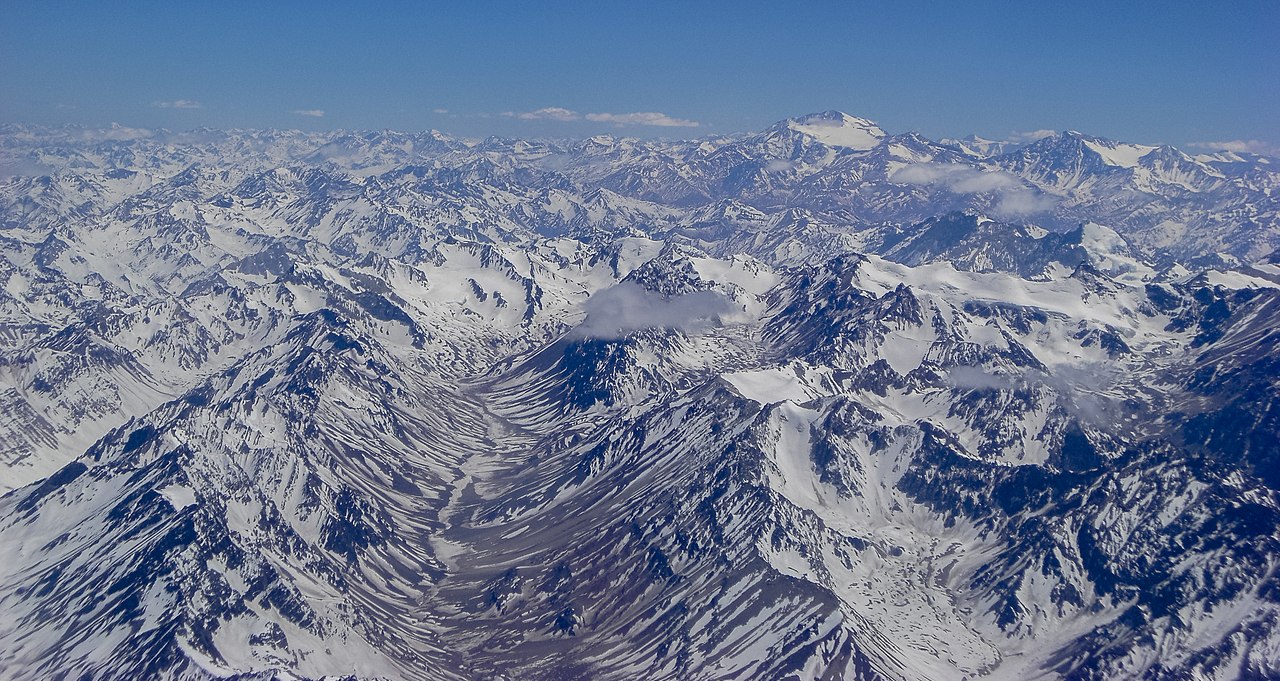
The major natural resources of Peru include copper, gold, silver, zinc, and natural gas. Peru is the world's 2nd largest producer of both copper and silver, and a top-10 producer of gold, zinc, tin, and lead. Mining alone accounts for roughly 60% of the country's export earnings, while the Camisea gas fields hold around 15 trillion cubic feet of natural gas.
Introduction
Few countries pack as much geographic and geological diversity into their borders as Peru. The nation's territory spans three distinct zones — the arid Pacific coast, the soaring Andean highlands, and the vast Amazon basin — and each contributes a different category of wealth. The coast delivers world-class fisheries and irrigated export agriculture, the Andes hold some of the richest mineral deposits in the Americas, and the eastern lowlands cradle the headwaters of the Amazon River alongside enormous reserves of forest, freshwater, and natural gas.
This combination has made resource extraction the backbone of the Peruvian economy for centuries, stretching from the silver of colonial Potosí-era trade routes to today's industrial-scale copper mines. Understanding Peru's resources means understanding how three radically different landscapes feed a single national economy. For broader context on the country's geography and history, see our Peru country guide.

Major Mineral Resources
Mining is the centrepiece of Peru's resource economy, and the Andes mountains contain some of the richest mineral deposits anywhere in the Americas. The mountain range's complex volcanic and tectonic history concentrated copper, silver, gold, zinc, tin, and lead in deposits that have been worked since pre-Columbian times and now sustain a multi-billion-dollar export industry. The mining sector attracts over $5 billion annually in foreign investment, drawing in global players alongside domestic giants such as Buenaventura.
- Copper: 2nd largest producer in the world, around 2.7 million tonnes per year.
- Silver: 2nd largest producer globally.
- Gold: A top-10 global producer, anchored by the Yanacocha mine.
- Zinc: 2nd largest producer globally.
- Tin: 3rd largest producer worldwide.
Copper is the single most valuable resource. Peru produces approximately 2.7 million tonnes annually, second only to neighbouring Chile, and its Cerro Verde, Antamina, and Las Bambas mines rank among the largest copper operations on Earth. These deposits are vital to global supply chains for electrical wiring, construction, and increasingly the batteries and grids of the energy transition.
Gold is the country's other marquee metal. The Yanacocha mine in the northern Cajamarca region is the largest gold mine in South America and has produced over 35 million ounces of gold since opening in 1993. Peru is also the world's second-largest silver producer, with major output from Antamina and Buenaventura's operations. Zinc, lead, and tin round out a metals portfolio that gives Peru genuine influence over several global commodity markets at once.
Energy Resources
Peru's energy story is dominated by a single transformative discovery: the Camisea natural gas fields in the Cusco region, deep in the southeastern Andes. Holding roughly 15 trillion cubic feet of gas, Camisea turned Peru from a net energy importer into a self-sufficient producer and even an LNG exporter. A landmark pipeline carries the gas across the Andes to the Pacific coast, where it fuels power plants and a liquefaction terminal for export.
- Natural gas: Camisea fields, approximately 15 trillion cubic feet.
- Hydropower: Significant Andean potential, supplying much of the grid.
- Oil: Amazon basin production in Loreto, now declining.
- Solar: High irradiation across the coastal desert.
- Wind: Strong potential along the northern coast.
Hydroelectric power provides approximately 55% of Peru's electricity, harnessing the steep descent of Andean rivers as they tumble toward both the Pacific and the Amazon. Oil production from the Amazon basin in the Loreto region has declined over recent decades, but the country still pumps roughly 50,000 barrels per day. The arid coast, with some of the highest solar irradiation in the world, and the windy northern shoreline give Peru substantial untapped renewable capacity for the years ahead.
Agricultural, Land & Water Resources
Peru's range of climates — from rainless desert coast to high Andean plateau to tropical Amazon — supports a remarkable agricultural diversity that few nations can match. Coastal desert agriculture depends on irrigation channelled from Andean rivers, and these engineered oases have made Peru a powerhouse in high-value export crops.
- Asparagus: The world's leading exporter.
- Quinoa: The largest producer globally, of a grain first cultivated by the Incas.
- Coffee: The 7th largest producer in the world.
- Avocados: The 2nd largest exporter globally.
- Cocoa: A growing source of premium fine-flavour beans.
Beyond these headline crops, Peru has become a major supplier of blueberries, grapes, and mangoes to North American and European supermarkets. The country is also the original home of the potato and grows over 3,000 distinct varieties. Its water and forest endowment is equally striking: the headwaters of the Amazon River rise in the Peruvian Andes, and the nation contains roughly 68 million hectares of forest — about 53% of its territory and some 13% of the entire Amazon basin, harbouring over 1,800 bird species. Offshore, the cold Humboldt Current feeds one of the planet's most productive marine ecosystems, where the anchoveta fishery alone yields over 5 million tonnes a year, the world's largest single-species fishery.
Economic Significance & Exports
Resources are not merely a feature of Peru's economy — they largely define it. Mining accounts for roughly 60% of export earnings, making global metal prices a powerful driver of national fortunes. When copper and gold prices rise, government revenues, foreign investment, and regional employment swell; when they fall, the impact ripples through the whole country. This dependence is the modern echo of a relationship that stretches back to the colonial silver trade.
Agriculture and fisheries provide important diversification. Non-traditional agricultural exports such as asparagus, avocados, and blueberries have grown dramatically, spreading earnings beyond the mining heartland and creating jobs along the coast. Fishmeal and fish oil from the anchoveta catch feed aquaculture industries worldwide. Natural gas, meanwhile, has improved Peru's energy security and trade balance simultaneously. Readers interested in how these resource flows shape national output can explore our companion piece on the economy of Peru.
Sustainability & Environmental Dimension
Peru's resource abundance comes with serious environmental responsibilities. The country's central challenge is balancing the economic pull of mining and hydrocarbon development against the conservation of one of the world's most biodiverse landscapes. Large-scale and informal mining have raised concerns over water contamination and conflicts with Andean communities, while oil and gas activity in the Amazon basin intersects with fragile rainforest and Indigenous territories.
Deforestation pressures, illegal gold mining in regions such as Madre de Dios, and the long-term stewardship of Amazon headwaters all weigh on policymakers. At the same time, Peru's vast hydropower, solar, and wind potential offers a pathway toward cleaner energy. Sustainable development that reconciles mineral-driven growth with the protection of forests, rivers, and fisheries remains the defining resource question for the nation's future.
How Peru Compares to Similar Nations
Peru sits within a small club of mineral-rich South American economies, and comparing it to its peers highlights what makes it distinctive. Neighbouring Chile is the world's largest copper producer and ranks ahead of Peru on that single metal, but Chile lacks Peru's breadth — it does not match Peru's combination of gold, silver, zinc, and tin output, nor its Amazon forest and fishery resources. Peru's portfolio is simply more diversified across the mineral spectrum.
Compared with Bolivia, another Andean mining nation rich in tin, silver, and zinc, Peru operates on a far larger industrial scale and benefits from coastal ports and irrigated export agriculture that landlocked Bolivia cannot replicate. And while Brazil shares the Amazon and is a giant in iron ore and agriculture, Peru's strength lies in precious and base metals plus high-value, irrigation-fed crops like asparagus and avocados rather than commodity grains. In short, Peru's edge is the unusual stacking of world-class mining, premium agriculture, energy reserves, and fisheries within one set of borders.
Key Facts
- Top metals: 2nd largest global producer of copper, silver, and zinc.
- Copper output: Approximately 2.7 million tonnes per year.
- Natural gas: Camisea fields hold around 15 trillion cubic feet.
- Mining share: Roughly 60% of national export earnings.
- Agriculture: World's leading exporter of asparagus and top quinoa producer.
- Water: The Amazon River's headwaters originate in Peru.
- Fisheries: The anchoveta is the world's largest single-species fishery, over 5 million tonnes annually.
Frequently Asked Questions
What are the most important natural resources of Peru?
Peru's most important resources are its minerals — copper, gold, silver, zinc, tin, and lead — followed by natural gas from the Camisea fields. Copper is the single most valuable, with output of around 2.7 million tonnes per year. Agriculture and fisheries add significant additional wealth.
Is Peru the largest copper producer in the world?
No. Peru is the world's second-largest copper producer, behind neighbouring Chile. Its major copper mines include Cerro Verde, Antamina, and Las Bambas, which together rank among the largest copper operations on the planet.
Why is mining so important to Peru's economy?
Mining accounts for roughly 60% of Peru's export earnings and draws more than $5 billion in foreign investment each year. This makes the sector central to government revenue, employment, and overall economic performance, while also tying national fortunes closely to global metal prices.
What agricultural products is Peru known for?
Peru is the world's leading exporter of asparagus and the largest producer of quinoa, a grain first cultivated by the Incas. It is also a top-ten coffee producer, the second-largest avocado exporter, and a major supplier of blueberries, grapes, and mangoes to global markets.
