

Norway has 4 distinct seasons with enormous variation from south to north. Summer (June–August) brings the midnight sun north of the Arctic Circle and pleasant 15–20°C temperatures. Winter (December–February) brings the Northern Lights and temperatures of -5°C (Oslo) to -15°C (northern Norway). The best time to visit is June to August for fjords and hiking.
Introduction
Norway stretches over 1,750 km from south to north, spanning from the temperate coast of Kristiansand to the Arctic archipelago of Svalbard. This creates dramatic differences in seasonal experiences — when Oslo enjoys 18 hours of daylight in June, Tromso has 24-hour sun.
Summer (June–August)
- Temperature: 15–25°C (south), 10–18°C (north)
- Daylight: Midnight sun above Arctic Circle, 19+ hours in Oslo
- Key Event: Midnight sun, fjord cruises, hiking, festivals
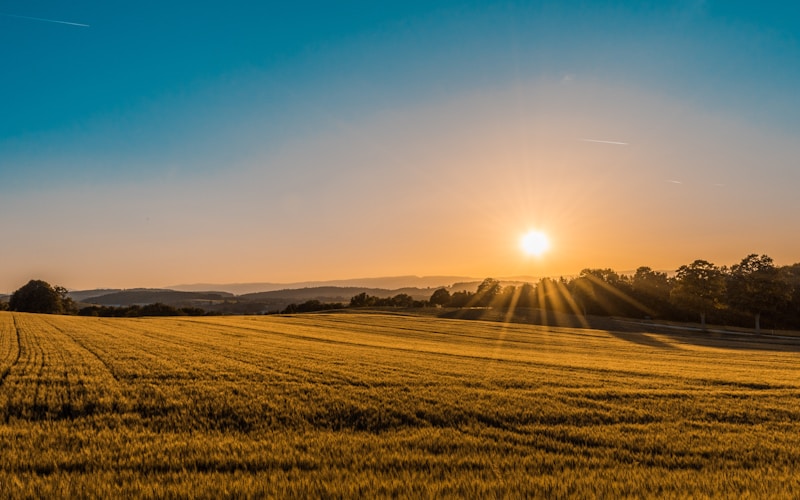
Norwegian summers are glorious, with long days, mild temperatures, and lush green landscapes. The midnight sun is visible north of the Arctic Circle from late May to mid-July, while southern Norway enjoys 19+ hours of daylight. Fjords are at their most spectacular with waterfalls fed by snowmelt.
This is Norway's peak tourist season. The fjords, Lofoten Islands, and mountain trails are at their best. The Bergen International Festival and Constitution Day (May 17) celebrations are highlights. Swimming in fjords and lakes is possible in the warmer south.
Autumn (September–November)
- Temperature: 5–15°C (south), -5 to 8°C (north)
- Daylight: Rapidly decreasing
- Key Event: Autumn colors, Northern Lights begin, ruska season
Autumn brings spectacular golden and red foliage to Norway's birch forests and mountains, known as "ruska" season (September–October). The Northern Lights become visible in northern Norway from late September. Temperatures drop rapidly, especially in the mountains and north.
This is shoulder season with lower prices and fewer tourists. The weather is less predictable, with increasing rain on the west coast and early snow in the mountains. It's an excellent time for Northern Lights viewing combined with autumn colors.
Winter (December–February)
- Temperature: -5 to 0°C (south), -10 to -15°C (north)
- Daylight: 6 hours in Oslo, polar night above Arctic Circle
- Key Event: Northern Lights, skiing, dog sledding, polar night
Norwegian winters are cold and dark but magical. Above the Arctic Circle, the polar night (morkertid) means the sun doesn't rise at all from late November to mid-January in Tromso and points north. However, this darkness produces intense blue twilight and optimal conditions for Northern Lights viewing.
Norway is a winter sports paradise with excellent cross-country and alpine skiing, dog sledding, snowmobile safaris, and ice fishing. The Christmas season is festive, with traditional markets in Bergen and Oslo. Temperatures inland and in the north can drop below -30°C.
Spring (March–May)
- Temperature: 0–15°C, warming gradually
- Daylight: Increasing rapidly — from 10 hours (Mar) to 19 hours (May)
- Key Event: Ski season continues, whale watching, Easter celebrations
Spring in Norway combines the last of the skiing season with rapidly lengthening days. March and April are excellent for cross-country skiing under the returning sun. The Northern Lights remain visible through March. Easter (Pasken) is a major holiday, often spent in mountain cabins.
By May, temperatures in southern Norway reach 10–15°C, fruit trees blossom in the Hardanger region, and ferry services resume on the fjords. The Lofoten Islands see the return of the midnight sun in late May. This is a great time to visit with increasing daylight and fewer crowds than summer.
Best Time to Visit
- Fjords & Hiking: June–August
- Northern Lights: September–March (best: October, February)
- Skiing: December–April
- Lofoten Islands: June–August (summer), January–March (Northern Lights)
For fjord cruises, hiking, and the midnight sun, June to August is ideal. For Northern Lights, October and February/March offer the best combination of aurora activity and manageable weather. Skiing is excellent from December through April, with March offering the bonus of returning daylight.
Budget travelers should consider May–early June or September for lower prices and manageable weather. The Lofoten Islands are stunning year-round but most accessible in summer.
What to Pack
Summer: Layers including a warm fleece, waterproof jacket, comfortable hiking boots, and sunglasses. Even in summer, evenings can be cool and weather changes quickly. Winter: Heavy insulated jacket, thermal underwear, warm boots, wool hat, gloves, and hand warmers. For Northern Lights viewing, add extra thermal layers — you'll be standing still outdoors in the cold. Year-round: Rain gear, especially for the west coast.
Key Facts
- The midnight sun is visible above the Arctic Circle from late May to mid-July.
- Tromso experiences polar night (no sunrise) from late November to mid-January.
- Oslo gets about 6 hours of daylight in December.
- The Gulf Stream keeps Norway's coast much warmer than its latitude suggests.
- Norway receives heavy rainfall on its west coast — Bergen has 231 rainy days per year.
Fun Facts
- Bergen averages 231 days of rain per year, making it one of Europe's wettest cities — locals say "there's no such thing as bad weather, only bad clothes."
- Svalbard is so far north that it experiences 4 months of continuous daylight and 4 months of continuous darkness.
- The word "fjord" comes from Old Norse and means "where one fares through" — a reference to their use as travel routes.
Final Thoughts
Norway's seasonal extremes — from 24-hour summer daylight to winter polar night — create two completely different countries. Whether you're drawn to midnight sun fjord cruises or aurora-lit snow landscapes, timing your visit is everything.
Test Your Knowledge!
Think you know your world geography? Try our interactive quiz!
Play Geography Games →