

Introduction
The snowiest cities are found where cold Arctic or Siberian air masses meet moisture-laden winds from nearby oceans. This combination produces extraordinary snowfall.
Japan's Sea of Japan coast cities dominate this list, receiving moisture from warm ocean currents that dumps as heavy snow on the mountainous coast.
1. Aomori City, Japan
- Annual Snowfall: ~8 m (26 ft)
- Population: ~270,000
- Location: Northern Honshu
Aomori is the snowiest city in the world with a population over 200,000. The combination of cold Siberian air and warm Sea of Japan moisture creates a snow machine effect.
Snow walls along roads can reach 5-6 meters high. The city spends enormous resources on snow removal.
2. Sapporo, Japan
- Annual Snowfall: ~5.96 m (19.5 ft)
- Population: ~2 million
- Notable: Host of 1972 Winter Olympics
Sapporo is the snowiest large city (population over 1 million) in the world. Its famous Snow Festival features massive snow and ice sculptures.
The city has a sophisticated snow management system including heated sidewalks and underground passages.
3. Toyama, Japan
- Annual Snowfall: ~3.6 m (12 ft)
- Population: ~420,000
- Location: Honshu, Sea of Japan coast
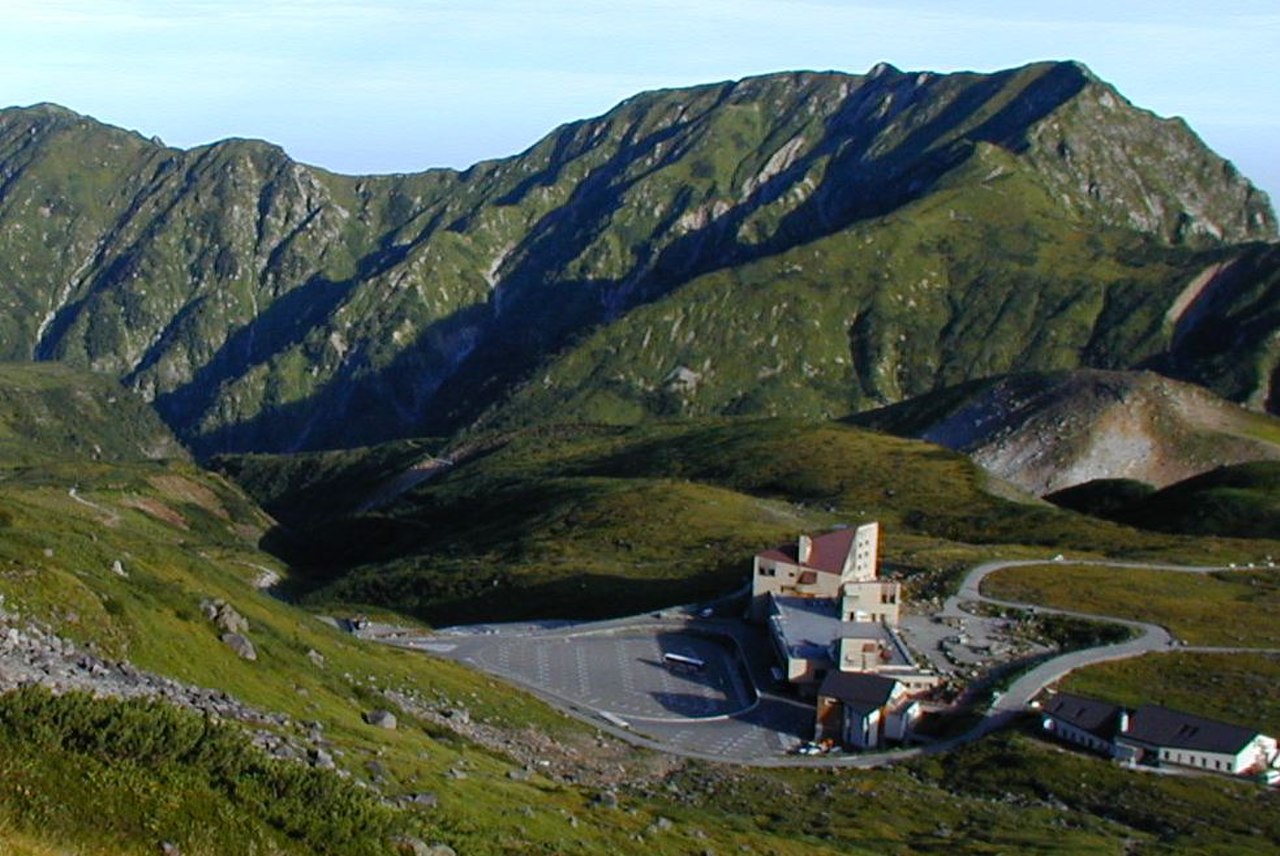
Toyama receives heavy snow from Sea of Japan moisture. The nearby Tateyama mountain route is famous for its 20-meter-high snow walls in spring.
The city uses underground heated water systems to melt snow from roads.
4. Syracuse, USA
- Annual Snowfall: ~3.15 m (124 in)
- Population: ~148,000
- Location: New York State
Syracuse is the snowiest large city in the United States. Lake-effect snow from Lake Ontario dumps heavy snow on the city throughout winter.
The city has a "Golden Snowball Award" competition with other upstate New York cities for most snowfall.
5. Quebec City, Canada
- Annual Snowfall: ~3.15 m (124 in)
- Population: ~540,000
- Notable: Ice Hotel, Winter Carnival
Quebec City receives consistent heavy snowfall throughout winter. Its famous Winter Carnival is the world's largest winter festival after Sapporo's.
The Ice Hotel (Hotel de Glace), rebuilt entirely of ice each year, attracts thousands of visitors.
6. St. John's, Canada
- Annual Snowfall: ~3.35 m (132 in)
- Population: ~110,000
- Location: Newfoundland
St. John's is one of the snowiest and windiest cities in Canada. Nor'easter storms regularly dump 30-50 cm of snow in a single event.
In 2020, a blizzard dumped 76 cm of snow in one day, forcing the city to declare a state of emergency.
7. Tromsø, Norway
- Annual Snowfall: ~1.8 m (6 ft)
- Population: ~75,000
- Latitude: 69°N (Arctic Circle)
Tromsø is the largest city in Arctic Norway. Despite its extreme northern location, it is warmer than most places at similar latitudes due to the Gulf Stream.
The city experiences polar night from November to January, when the sun never rises.
8. Buffalo, USA
- Annual Snowfall: ~2.4 m (94 in)
- Population: ~280,000
- Location: New York State
Buffalo is famous for extreme lake-effect snow from Lake Erie. The "Buffalo Blizzard" is a cultural phenomenon. In November 2022, a storm dumped 2 meters in some areas.
The city's proximity to Niagara Falls adds to its tourism appeal despite the harsh winters.
9. Valdez, USA
- Annual Snowfall: ~8.1 m (319 in)
- Population: ~3,900
- Location: Alaska
Valdez receives more snow than almost any city-sized settlement in the US. The Thompson Pass nearby holds the US record for snowfall in a 24-hour period (1.58 m).
The town is also famous as the terminus of the Trans-Alaska Pipeline.
10. Nagaoka, Japan
- Annual Snowfall: ~2.8 m (110 in)
- Population: ~270,000
- Location: Niigata Prefecture
Nagaoka is another Japanese city heavily impacted by Sea of Japan effect snow. The city has developed sophisticated snow management infrastructure.
Nagaoka is famous for its spectacular fireworks festival, one of the largest in Japan.
Key Facts
- Japanese cities dominate the list of snowiest large cities due to Sea of Japan effect snowfall.
- Aomori City averages about 8 meters of snowfall per year, more than any other city its size.
- Lake-effect snow is responsible for heavy snowfall in many North American cities near the Great Lakes.
- Some cities spend up to 25% of their municipal budget on snow removal.
- Global warming is actually increasing snowfall in some areas by putting more moisture in the atmosphere.
Fun Facts
- Aomori spends about $50 million per year on snow removal.
- Sapporo's Snow Festival attracts over 2 million visitors who come to see sculptures made from thousands of tonnes of snow.
- The snow walls at Tateyama near Toyama can reach 20 meters (65 feet) high in spring.
- Syracuse's "Golden Snowball Award" has been tracked since 2002 among five upstate NY cities.
Final Thoughts
The snowiest cities have developed remarkable systems for coping with extreme winter weather. From heated sidewalks in Japan to underground tunnels in Canada, these communities prove that heavy snowfall is a challenge that can be met with ingenuity.
