
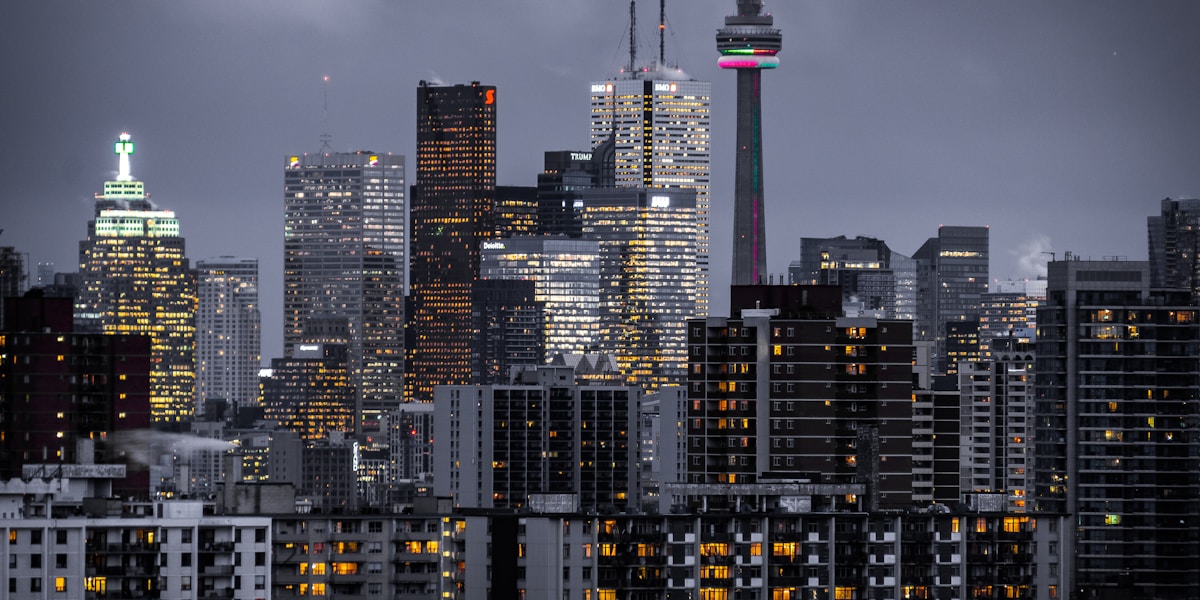
As cities consume over 75% of the world's energy and produce over 70% of global CO2 emissions, sustainable urban design has become one of the most urgent geographic challenges of the 21st century. Cities around the world are experimenting with green buildings, renewable energy, cycling infrastructure, and urban nature to reduce their environmental footprint.
Introduction
Sustainability in cities is not just about technology — it is fundamentally geographic. Climate, topography, water resources, and existing urban form all determine which strategies work where. A solution that thrives in Copenhagen's flat, temperate landscape may not work in tropical Singapore or arid Abu Dhabi.
Copenhagen, Denmark
- Goal: Carbon neutral by 2025
- Cycling: ~49% of commuters cycle to work
- Bike Lanes: 454 km of dedicated bike lanes
- Green Roof: Required on all new flat-roofed buildings
Copenhagen is widely regarded as the world's most sustainable city, with a goal of becoming the first carbon-neutral capital by 2025. Nearly half of all commuters cycle to work on 454 kilometers of dedicated bike lanes, and the city has invested heavily in wind energy, district heating, and waste-to-energy systems.
The city's flat topography, mild climate, and compact urban form make cycling practical year-round. Copenhagen also pioneered the concept of "green roofs" (mandatory on all new flat-roofed buildings), integrated urban swimming areas in the harbor (cleaned up from an industrial waterway), and the CopenHill waste-to-energy plant, which doubles as a ski slope and hiking trail.
Singapore
- Green Buildings: Over 40% of built-up area
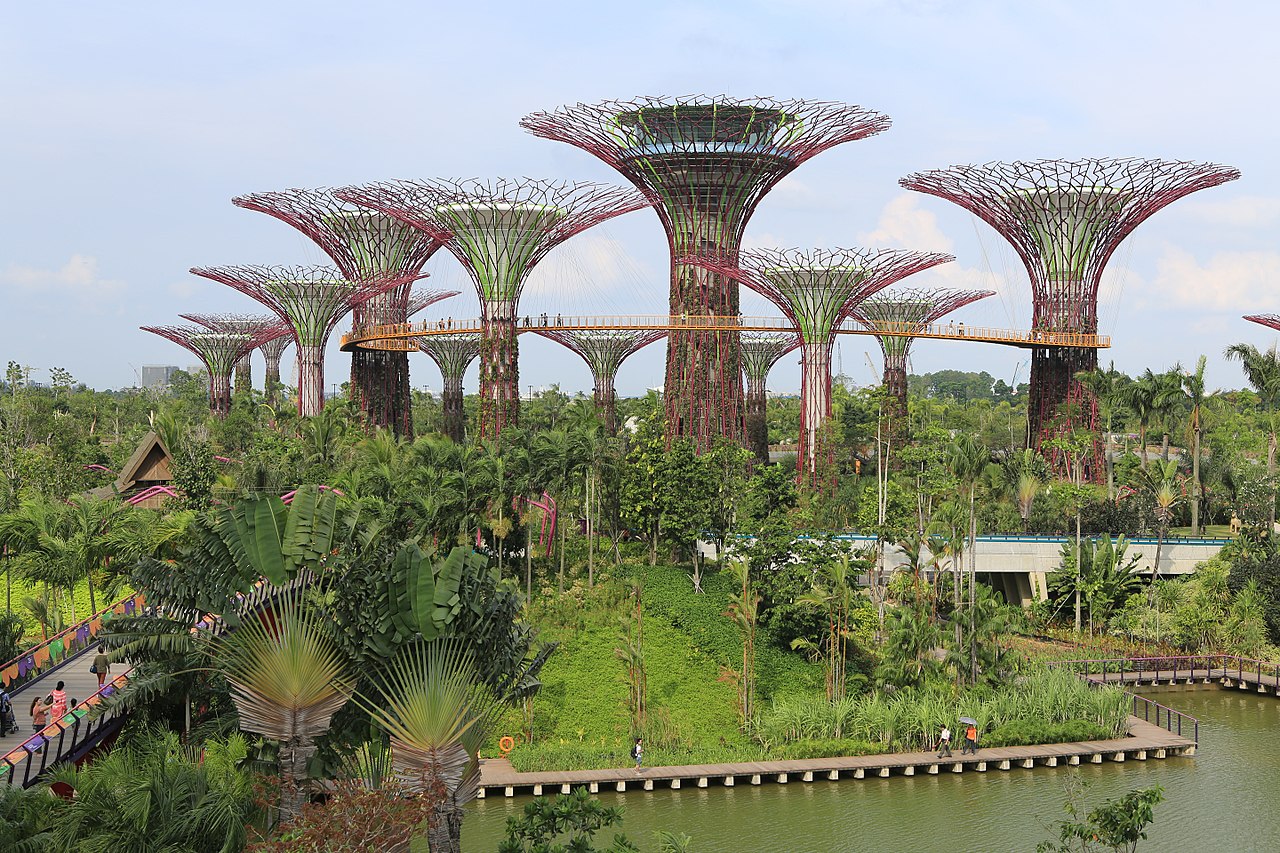
- Vertical Gardens: Gardens by the Bay Supertrees
- Water Self-Sufficiency: NEWater recycled water program
- Tree Cover: ~47% of land area
Singapore has transformed from a polluted industrial city into one of the world's greenest urban environments. Despite being one of the most densely populated countries on Earth, 47% of Singapore's land area is covered by trees. The city-state mandates that new developments replace any green space they occupy with rooftop or vertical gardens.
Gardens by the Bay, with its iconic Supertree structures, demonstrates Singapore's approach: using technology to create nature where space is limited. The 18 Supertrees are vertical gardens up to 50 meters tall that collect solar energy, channel rainwater, and act as venting ducts for nearby conservatories. Singapore's NEWater program recycles wastewater to meet 40% of the nation's water needs.
Freiburg, Germany
- Solar Power: Leader in solar energy in Europe
- Vauban District: Car-free sustainable neighborhood
- Public Transport: Extensive tram and bus network
- Green Space: Over 600 hectares of city forest
Freiburg im Breisgau in southwestern Germany is often called Europe's solar capital. The city receives more sunlight than almost anywhere else in Germany, and it has capitalized on this geographic advantage by becoming a global leader in solar energy adoption, with solar panels covering rooftops, parking structures, and even a football stadium.
The Vauban district, built on a former French military base, is one of the world's most celebrated sustainable neighborhoods. Most of its 5,000 residents live car-free, with streets designed for walking and cycling. Buildings are constructed to passive house standards, producing almost as much energy as they consume.
Medellín, Colombia
- Innovation: Green corridors lowered city temp by 2°C
- Transit: Cable car connecting hillside communities
- Transformation: From violence capital to innovation hub
- Green Corridors: 36 corridors along roads and waterways
Medellín's transformation from one of the world's most violent cities to a model of sustainable urbanism is one of the great urban stories of the 21st century. The city built 36 green corridors — linear parks along roads and waterways planted with 8,000 trees and 350,000 plants — that lowered local temperatures by up to 2 degrees Celsius.
The city's cable car system (Metrocable) was revolutionary: it connected impoverished hillside neighborhoods to the city center and metro system, reducing commute times from hours to minutes. Public escalators were installed on steep hillsides, and library parks were built in the poorest neighborhoods, using architecture as a tool for social equity.
Masdar City, Abu Dhabi, UAE
- Goal: Zero-carbon, zero-waste city
- Architect: Foster + Partners (master plan)
- Area: 6 km² planned
- Status: Partially built, ongoing
Masdar City is the most ambitious attempt to build a sustainable city from scratch in a desert environment. Designed by Foster + Partners, the master plan envisions a zero-carbon, zero-waste city powered entirely by renewable energy, with narrow shaded streets oriented to capture prevailing winds and reduce the need for air conditioning.
The city uses a personal rapid transit system (driverless electric pods) instead of cars, and its dense, low-rise layout is inspired by traditional Arabian urban design — narrow streets, shaded courtyards, and wind towers that channel breezes into buildings. While progress has been slower than planned, Masdar City serves as a testing ground for sustainable desert urbanism.
Key Facts
- Copenhagen aims to be the world's first carbon-neutral capital, with 49% of commuters cycling.
- Singapore covers 47% of its land with trees despite being one of the densest countries on Earth.
- Freiburg's Vauban district is a car-free neighborhood where buildings produce as much energy as they use.
- Medellín's green corridors lowered city temperatures by up to 2°C.
- Masdar City aims to be the first zero-carbon, zero-waste city.
Fun Facts
- Copenhagen's CopenHill waste-to-energy plant has a ski slope and hiking trail on its roof.
- Singapore's Supertrees collect solar energy and channel rainwater through their "trunks."
- Freiburg's solar stadium was the first in the world to generate more energy than it uses.
- Medellín's outdoor escalators in hillside neighborhoods replaced hours-long walking commutes.
Final Thoughts
Sustainable cities demonstrate that urban environments can be designed to work with nature rather than against it. From Copenhagen's cycling culture to Singapore's vertical gardens, these cities show that sustainability is not just about technology but about how geography, climate, and design intersect to create livable urban futures.
Test Your Knowledge!
Think you know your architecture and cities? Try our interactive quiz!
Play Geography Games →