
Jamaica may be only the third-largest island in the Caribbean, but few places on Earth have radiated such an outsized influence on global culture. This is the land that gave the world reggae, jerk seasoning, the fastest sprinters in history, and a word that needs no translation: "irie." Behind the postcard beaches lies a nation of rugged mountains, fierce independence, and a spirit that turned hardship into one of humanity's most contagious musical movements.
1. The Name Means "Land of Wood and Water"
Before Columbus arrived in 1494, Jamaica was home to the Taino people, who called their island Xaymaca — usually translated as "land of wood and water" or "land of springs." The name proved prophetic. Jamaica is laced with more than 120 rivers cascading down from its mountainous interior, and roughly two-thirds of the island is covered in forest, scrub, and farmland. The Rio Grande and the Black River sustain communities and wildlife alike, while countless waterfalls and mineral springs dot the landscape. Today the Taino are gone, wiped out within a century of European contact, but their language survives in everyday Jamaican words like hammock, barbecue, and canoe — terms that travelled from this island into English itself.
2. The Blue Mountains Produce Some of the World's Priciest Coffee
Jamaica's spine is the Blue Mountains, rising to 7,402 feet at Blue Mountain Peak, the island's highest point. On a clear pre-dawn morning, hikers who reach the summit can reportedly see all the way to Cuba, more than 130 miles away. The cool, misty slopes are home to Blue Mountain Coffee, a protected designation grown only at specific elevations and prized by connoisseurs — particularly in Japan, which imports the lion's share of the crop. Its smooth, mild flavour and tiny supply make it one of the most expensive coffees on the planet. The mountains and surrounding Cockpit Country also form a UNESCO World Heritage Site, sheltering rare ferns, orchids, and endemic birds found nowhere else.
3. Kingston Is the Reggae Capital of the World
The capital, Kingston, is the largest English-speaking city in the Caribbean and the beating heart of Jamaica's music industry. It was here, in neighbourhoods like Trench Town, that ska, rocksteady, and ultimately reggae were born in the 1960s and 70s. Kingston is the only city UNESCO has ever designated a "Creative City of Music," a nod to its staggering output of globally influential sound. Visitors flock to the Bob Marley Museum, housed in the singer's former home and studio on Hope Road, where the bullet holes from a 1976 assassination attempt are still visible. Want the deeper story of the nation? Explore our full country guide.
4. Bob Marley Made Jamaican Music a Global Language
No single artist has shaped a country's image abroad more than Bob Marley shaped Jamaica's. From a poor childhood in rural St. Ann, Marley rose to become reggae's first international superstar, spreading Rastafarian philosophy and songs of resistance, love, and unity to every corner of the globe. His 1984 compilation Legend remains one of the best-selling albums of all time, decades after his death in 1981 at just 36. Reggae itself was added to UNESCO's list of Intangible Cultural Heritage in 2018. For a tiny island of fewer than three million people, the cultural export is extraordinary: dancehall, dub, and reggae rhythms now underpin pop music worldwide.
5. Usain Bolt and a Sprinting Powerhouse
Jamaica produces sprinters at a rate that defies its size. The island is the birthplace of Usain Bolt, the fastest human ever recorded, who holds the world records in both the 100m (9.58 seconds) and 200m. But Bolt is no fluke — Jamaica has churned out Olympic and world champions for generations, from Merlene Ottey to Shelly-Ann Fraser-Pryce and Elaine Thompson-Herah. The annual high-school "Champs" athletics meet draws stadium crowds of tens of thousands and is treated with the intensity of a national festival. Theories for this dominance range from the mineral-rich bauxite soil to yam-heavy diets to sheer cultural obsession, but the results speak for themselves on every Olympic track.
6. Jerk Cooking Was Invented by Freedom Fighters
Jamaica's signature dish, jerk, has roots in rebellion. When escaped enslaved Africans known as the Maroons fled into the mountains, they developed a method of slow-smoking meat over pimento (allspice) wood, seasoned with fiery Scotch bonnet peppers, thyme, and spices. The technique preserved food and produced minimal smoke that wouldn't betray their hidden settlements. Today jerk chicken and jerk pork are eaten everywhere from roadside oil-drum grills to fine restaurants. The national dish, though, is ackee and saltfish — sautéed salted cod with ackee, a fruit that resembles scrambled eggs when cooked but is poisonous if eaten before it ripens. Wash it all down with a cold Red Stripe beer.
7. The Maroons Won Their Freedom Centuries Early
Long before emancipation, Jamaica's Maroon communities fought the British to a standstill. These descendants of escaped Africans waged guerrilla warfare from the impenetrable Cockpit Country, using the limestone sinkhole terrain to ambush colonial troops. In 1739, the British were forced to sign a treaty granting the Maroons land and self-governance — an astonishing concession in the age of slavery. Their leaders, including the legendary Nanny of the Maroons, are now celebrated as national heroes; Nanny is the only woman among Jamaica's seven official National Heroes and appears on the 500-dollar banknote. Maroon towns like Accompong still maintain a degree of autonomy and celebrate their heritage with annual festivals of drumming and traditional Kromanti dance.
8. Patois: A Language Born From Many
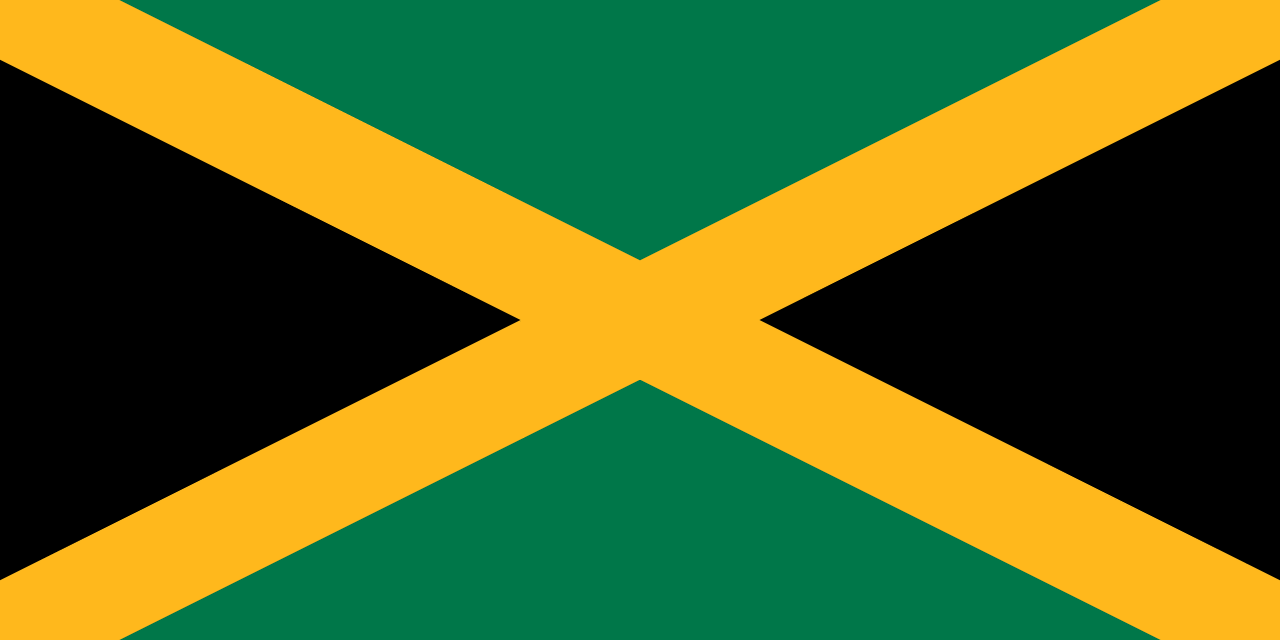
While English is the official language, the everyday tongue of the streets, homes, and dancehalls is Jamaican Patois (or Patwa). This rich creole blends English with West African grammar and vocabulary, plus traces of Spanish, Portuguese, and Taino. Phrases like "wah gwaan" (what's going on) and "mi deh yah" (I'm here) have spread internationally through music and the Jamaican diaspora. Though long dismissed as mere slang, Patois is increasingly recognised as a legitimate language with its own consistent rules, and there are even ongoing efforts to translate the Bible into it. Pair the language with the island's distinctive black, green, and gold flag — Jamaica is one of the few national flags with no red, white, or blue.
9. Doctor's Cave Beach and a Tourism Empire
Tourism is one of Jamaica's economic pillars, and the island's beaches are world famous. Montego Bay's Doctor's Cave Beach helped launch the island as a glamorous destination in the early 20th century when an English doctor claimed its waters had healing powers. The resort town of Negril boasts a celebrated seven-mile stretch of white sand and the dramatic cliffs of Rick's Café, where divers leap into the sea at sunset. Beyond the all-inclusive resorts, visitors climb the famous tiered cascade of Dunn's River Falls near Ocho Rios or raft the gentle Martha Brae River. Bauxite mining (for aluminium) and agriculture — sugar, bananas, and coffee — round out an economy heavily tied to the natural world.
10. A Hummingbird Found Nowhere Else
Jamaica's national bird is the red-billed streamertail, a dazzling hummingbird locally called the "doctor bird," whose males trail two long black tail feathers like ribbons. It is endemic — found naturally nowhere else on Earth — and features in folklore as a symbol of good luck. The island's isolation has produced remarkable biodiversity for its size, including the world's second-smallest bird, more than 20 endemic bird species, and the Jamaican boa. Offshore, fringing coral reefs and the rare manatee inhabit warm coastal waters. The Cockpit Country and Blue Mountains remain biodiversity hotspots, harbouring giant swallowtail butterflies — the largest butterfly in the Western Hemisphere — among their misty forests.
Frequently Asked Questions
What is the capital of Jamaica?
The capital is Kingston, located on the island's southeastern coast. It is the largest city in the English-speaking Caribbean and the centre of Jamaica's government, commerce, and famous music industry, having been named a UNESCO Creative City of Music.
What is Jamaica most famous for?
Jamaica is best known for reggae music and Bob Marley, its world-beating sprinters like Usain Bolt, spicy jerk cuisine, Blue Mountain coffee, and its stunning beaches and waterfalls. Few small nations have had such a large impact on global culture and sport.
Why is Jamaican coffee so expensive?
Blue Mountain Coffee is grown only at high elevations on cool, misty slopes, producing a smooth, low-acidity flavour in very limited quantities. Strict quality controls and huge demand — especially from Japan — make it one of the priciest coffees in the world.
Conclusion
Jamaica proves that influence has nothing to do with size. From the freedom-fighting Maroons and the soaring Blue Mountains to reggae's worldwide reach and record-shattering athletes, this Caribbean island punches far above its weight. Whether you come for the jerk smoke drifting off a roadside grill or the bass line thumping out of Kingston, Jamaica offers a culture as warm and unforgettable as its sunshine — a place that, once visited, never quite leaves you.