
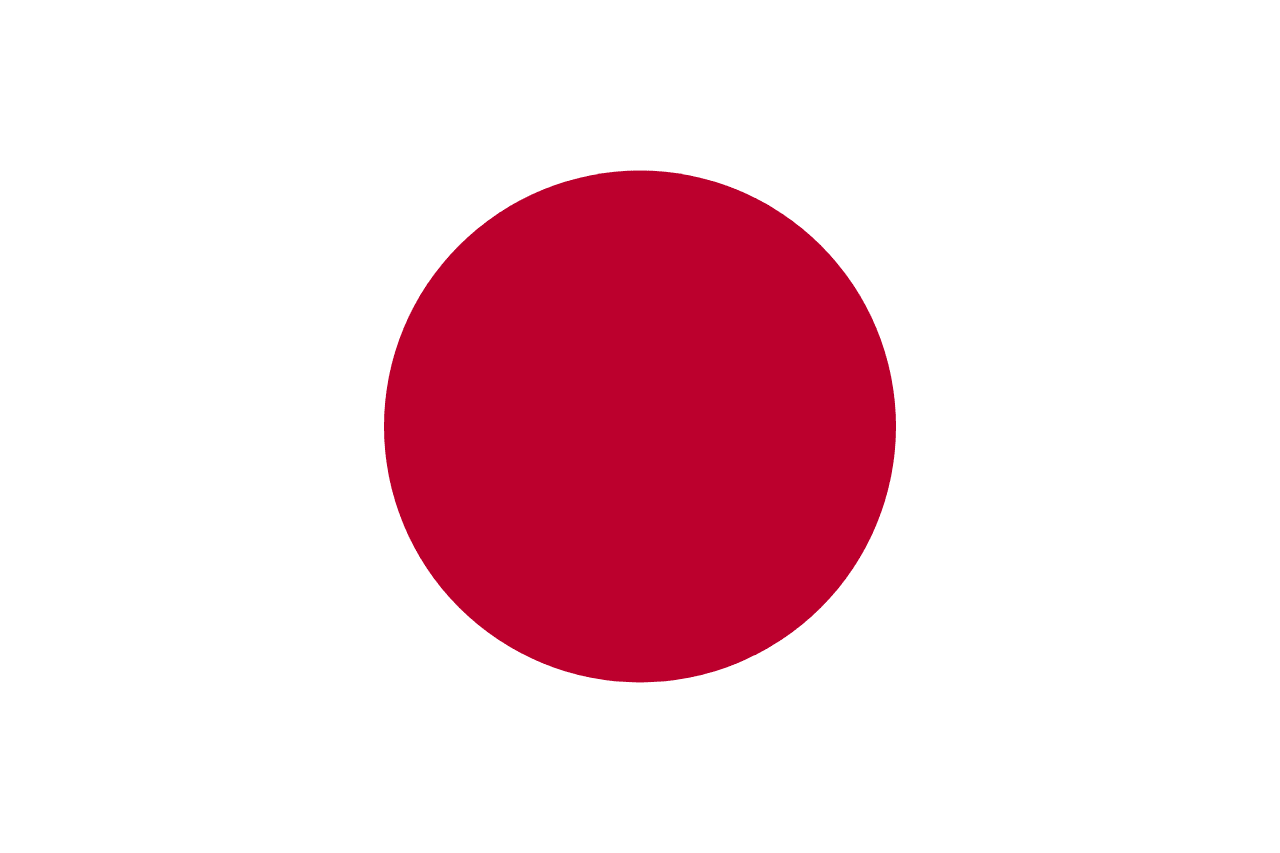
Japan is a slender archipelago strung along the western edge of the Pacific, a place where neon-lit megacities sit a short train ride from silent cedar forests and steaming hot springs. It is a nation that perfected both the world's fastest bullet trains and the unhurried ritual of a tea ceremony. These ten facts go far beyond the postcard images to reveal why this East Asian country continues to fascinate travelers, historians, and food lovers alike.
1. It Is an Archipelago of Nearly 14,000 Islands
Japan is not a single landmass but a chain of islands stretching roughly 3,000 kilometers from north to south. For decades the official count stood at about 6,800 islands, but a 2023 digital re-survey by Japan's Geospatial Information Authority more than doubled that figure to around 14,125. The vast majority are tiny and uninhabited. Life concentrates on four main islands: Honshu, Hokkaido, Kyushu, and Shikoku. This geography means a single country spans subarctic snowfields in the north and subtropical coral reefs in Okinawa to the south, giving Japan an astonishing range of climates and ecosystems packed into a territory smaller than the US state of California. To dig deeper into the country's geography, see our country guide.
2. Tokyo Is the World's Largest Metropolitan Area
Tokyo, Japan's capital, anchors a metropolitan region of roughly 37 million people, the most populous urban area on the planet. Once a fishing village called Edo, it became the seat of the Tokugawa shogunate in 1603 and was renamed Tokyo, meaning "Eastern Capital," when the emperor moved there in 1868. Today it is a city of dazzling contrasts: ultra-modern districts like Shibuya and Shinjuku buzz with crowds, while quiet shrines, traditional gardens, and centuries-old neighborhoods survive between the skyscrapers. Despite its enormous size, Tokyo runs with famous precision, its rail network moving billions of passengers a year with near-flawless punctuality.
3. One of the World's Oldest Continuous Monarchies
Japan's imperial line is often described as the oldest continuous hereditary monarchy in the world. According to tradition it dates back to the legendary Emperor Jimmu in 660 BCE, though historically verifiable emperors stretch back well over a thousand years. The current emperor, Naruhito, ascended in 2019, opening the Reiwa era. The emperor today holds no political power and serves purely as a ceremonial "symbol of the state." This unbroken thread of succession is a remarkable feature of Japanese identity, surviving samurai wars, shogunates, foreign pressure, and the upheavals of the twentieth century largely intact.
4. Mount Fuji Is a Sacred, Symmetrical Volcano
Rising 3,776 meters, Mount Fuji is Japan's highest peak and its most beloved natural icon. An active stratovolcano that last erupted in 1707, its near-perfect snow-capped cone has inspired poets and painters for centuries, most famously in Hokusai's woodblock print series "Thirty-six Views of Mount Fuji." The mountain is considered sacred in both Shinto and Buddhist traditions and was named a UNESCO World Heritage Site in 2013 as a cultural rather than natural site. Each summer, hundreds of thousands of climbers ascend through the night to watch the sunrise from its summit, a pilgrimage known as goraiko, or "arrival of light."
5. A Language Written in Three Scripts at Once
Japanese is the official language, spoken by virtually the entire population. What surprises many learners is that written Japanese combines three separate scripts in everyday use. Kanji are Chinese-derived characters representing whole words or ideas; hiragana is a flowing syllabary for grammar and native words; and katakana is an angular syllabary used mainly for foreign loanwords and emphasis. A single sentence routinely blends all three, sometimes with Roman letters mixed in too. Mastering literacy means learning thousands of kanji, yet this layered system also gives the language remarkable subtlety and visual character.
6. Earthquakes and Volcanoes Shape Daily Life
Japan sits atop the meeting point of several tectonic plates along the Pacific "Ring of Fire," making it one of the most seismically active countries on Earth. It experiences thousands of tremors every year, most too small to notice, and is home to over a hundred active volcanoes. This geological reality has profoundly shaped the culture: buildings use cutting-edge earthquake-resistant engineering, schoolchildren practice regular drills, and phones receive automatic early-warning alerts seconds before the ground shakes. The same volcanic activity gives Japan its abundant onsen hot springs, a cherished part of the country's bathing culture that draws relaxation-seekers nationwide.
7. Washoku Cuisine Is a UNESCO Treasure
Japanese food, or washoku, was added to UNESCO's Intangible Cultural Heritage list in 2013, honoring not just dishes but an entire philosophy of seasonal, balanced eating. Beyond globally famous sushi, ramen, and tempura, the cuisine prizes the elusive fifth taste, umami, and the artful presentation of fresh, local ingredients. Tokyo consistently holds more Michelin stars than any other city in the world. Meals often center on rice, fish, fermented foods like miso and soy sauce, and an ever-changing parade of vegetables. Food here is treated as both nourishment and quiet artistry, with phrases like itadakimasu expressing gratitude before every bite.
8. An Economic Powerhouse Built on Innovation
Japan boasts one of the largest economies in the world, long ranking among the top three or four nations by GDP. After devastation in World War II, it engineered a postwar "economic miracle," becoming a global leader in automobiles, electronics, robotics, and precision manufacturing. Brands like Toyota, Sony, Nintendo, and Honda are household names worldwide. Japan is also a pioneer in robotics and high-speed rail; its Shinkansen bullet trains, introduced in 1964, can exceed 320 km/h while maintaining a legendary safety record. This blend of meticulous craftsmanship and forward-looking technology defines the modern Japanese economy.
9. An Aging Society and a Famous Longevity
Japan has one of the longest life expectancies on the planet, and the island of Okinawa is celebrated as one of the world's "Blue Zones," home to an unusual concentration of people living past 100. At the same time, Japan faces a demographic challenge: a shrinking, aging population of roughly 122 million, with a low birth rate and one of the highest proportions of elderly citizens anywhere. This shapes everything from labor policy to the rise of automation. The cultural emphasis on diet, community, and active living, however, continues to make Japanese longevity a subject of global study.
10. Cherry Blossoms and a Culture of Fleeting Beauty
Few national symbols are as cherished as the sakura, or cherry blossom. Each spring, a "blossom front" sweeps from south to north, and the entire country pauses for hanami, the centuries-old tradition of gathering beneath the pink-and-white canopies to picnic, drink, and admire the flowers. The blossoms last only a week or two, and their brevity is precisely the point, embodying the Buddhist-influenced ideal of mono no aware, a gentle awareness of impermanence. The cherry blossom appears everywhere in Japanese art, poetry, and even the design of the national identity; you can spot related motifs explored in our piece on the Japanese flag.
Frequently Asked Questions
What is the capital of Japan?
The capital of Japan is Tokyo, located on the eastern coast of the main island of Honshu. Its surrounding metropolitan area is the most populous in the world, with about 37 million residents. Tokyo serves as the country's political, financial, and cultural center.
What is Japan most famous for?
Japan is famous for an extraordinary range of things: Mount Fuji and cherry blossoms, sushi and ramen, samurai and ninja history, anime and manga, high-speed bullet trains, advanced robotics, and traditions like the tea ceremony and onsen bathing. It is renowned for blending ancient culture with cutting-edge technology.
Why do so many people in Japan live such long lives?
Japan's longevity is often credited to a diet rich in fish, rice, vegetables, and fermented foods, combined with active lifestyles, strong community ties, and excellent healthcare. The island of Okinawa is especially noted as a "Blue Zone" with one of the highest concentrations of centenarians on Earth.
Conclusion
From its thousands of islands and trembling volcanoes to its sacred mountains, layered writing system, and reverence for fleeting cherry blossoms, Japan rewards the curious at every turn. It is a country where ancient ritual and futuristic innovation coexist with rare grace. These ten facts are only an invitation to explore further and discover just how deep and surprising this remarkable nation truly is.