
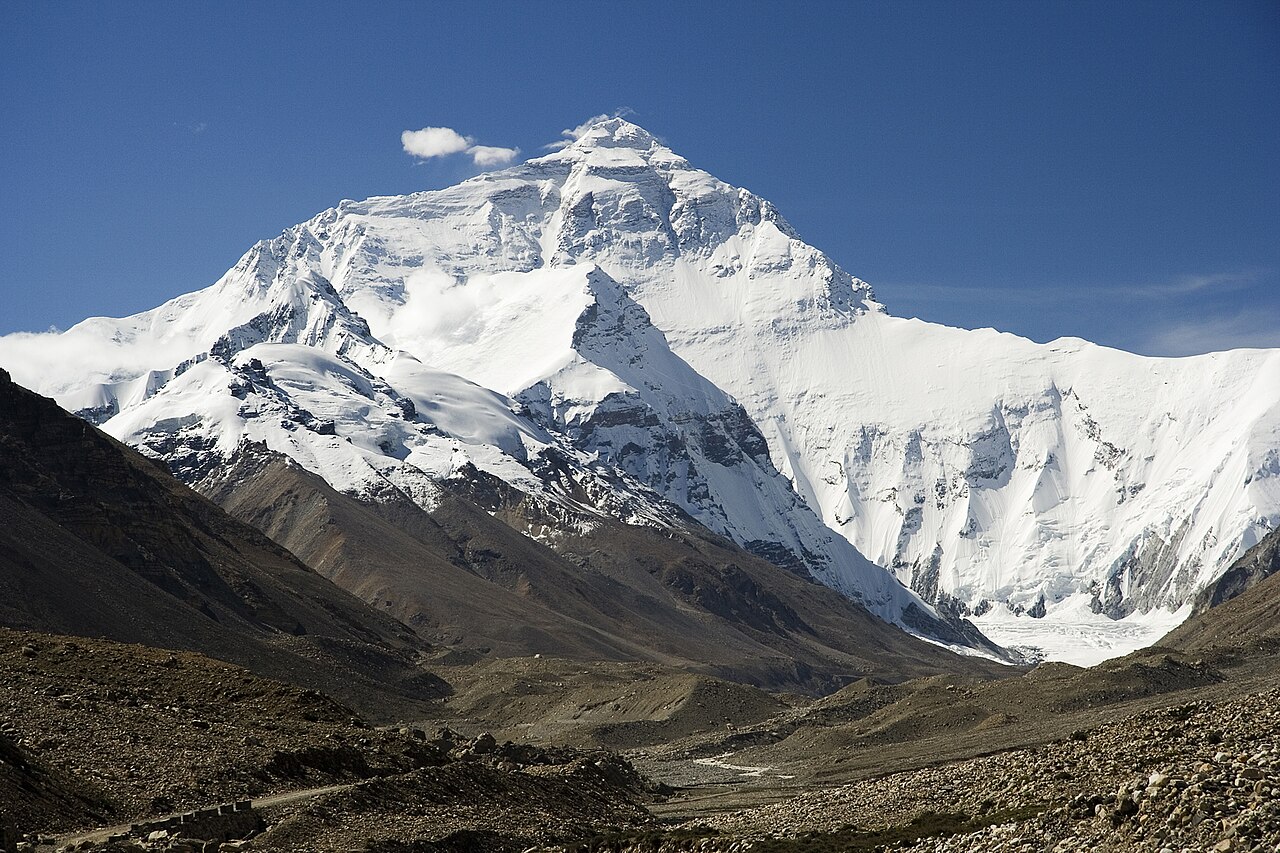
The most mountainous countries are: Nepal (8 of 14 8,000m peaks), China (100+ peaks above 7,000m), India (Himalayas, Western Ghats), Pakistan (5 of 14 8,000m peaks), and Bhutan (98% mountainous).
Introduction
Countries With the Most Mountains is one of the most searched geography topics on the internet. Whether you're a student, traveler, or trivia enthusiast, understanding these rankings helps paint a picture of our diverse world. In this guide, we rank the top countries and provide context for each entry.
Complete Rankings
1. China — 100+ peaks above 7,000m
China has more high-altitude peaks than any other country, with over 100 mountains exceeding 7,000 meters in the Himalayas, Karakoram, and Kunlun ranges. Mount Everest's north face lies in China (Tibet), and the Tibetan Plateau — the "Roof of the World" — averages over 4,500 meters elevation across an area the size of Western Europe.
2. Nepal — 8 of the world's 14 eight-thousanders
Nepal is home to 8 of the world's 14 peaks above 8,000 meters, including Mount Everest (8,849m), Kanchenjunga (8,586m), Lhotse (8,516m), and Makalu (8,485m). Approximately 83% of Nepal's territory is mountainous, and the country's entire northern border runs along the Himalayan crest.
3. Pakistan — 5 of the 14 eight-thousanders
Pakistan has 5 of the world's 14 eight-thousanders, including K2 (8,611m) — the world's second-highest and most dangerous major peak. The Karakoram Highway, connecting Pakistan to China, reaches 4,693 meters at the Khunjerab Pass, making it the highest paved border crossing in the world.
4. India — Himalayas + Western Ghats + more
India encompasses a massive stretch of the Himalayas in the north, including Kangchenjunga's south face (8,586m), Nanda Devi (7,816m), and hundreds of peaks above 6,000 meters. Additionally, the Western Ghats, Eastern Ghats, Aravalli Range, and Vindhya Range add substantial mountain territory across the subcontinent.
5. Bhutan — 98% mountainous terrain
Bhutan is one of the most mountainous countries on Earth, with 98% of its territory classified as mountainous. Gangkhar Puensum (7,570m) is the highest unclimbed mountain in the world — climbing is banned out of respect for local spiritual beliefs. Bhutan's elevation ranges from 200 meters in the south to over 7,500 meters in the north.
6. Switzerland — 48 peaks above 4,000m
Switzerland has 48 peaks exceeding 4,000 meters in the Alps, including the iconic Matterhorn (4,478m) and Monte Rosa (4,634m). About 60% of Switzerland is covered by the Alps, and the country has more than 1,800 glaciers.
7. Tajikistan — 93% mountainous
Approximately 93% of Tajikistan is mountainous, with over half of the country above 3,000 meters. The Pamir Mountains in eastern Tajikistan are known as the "Roof of the World" and include Ismoil Somoni Peak at 7,495 meters.
8. Kyrgyzstan — 94% above 1,000m
About 94% of Kyrgyzstan lies above 1,000 meters elevation, and 40% exceeds 3,000 meters. Jengish Chokusu (7,439m) is the country's highest peak. The Tien Shan mountain range dominates the country.
9. Peru — Andes + 30+ peaks above 6,000m
Peru has over 30 peaks exceeding 6,000 meters in the Andes, including Huascaran (6,768m). The Peruvian Andes also contain the world's deepest canyons — Cotahuasi (3,535m) and Colca (3,270m) — both deeper than the Grand Canyon.
10. Chile — Andes spanning 4,300 km
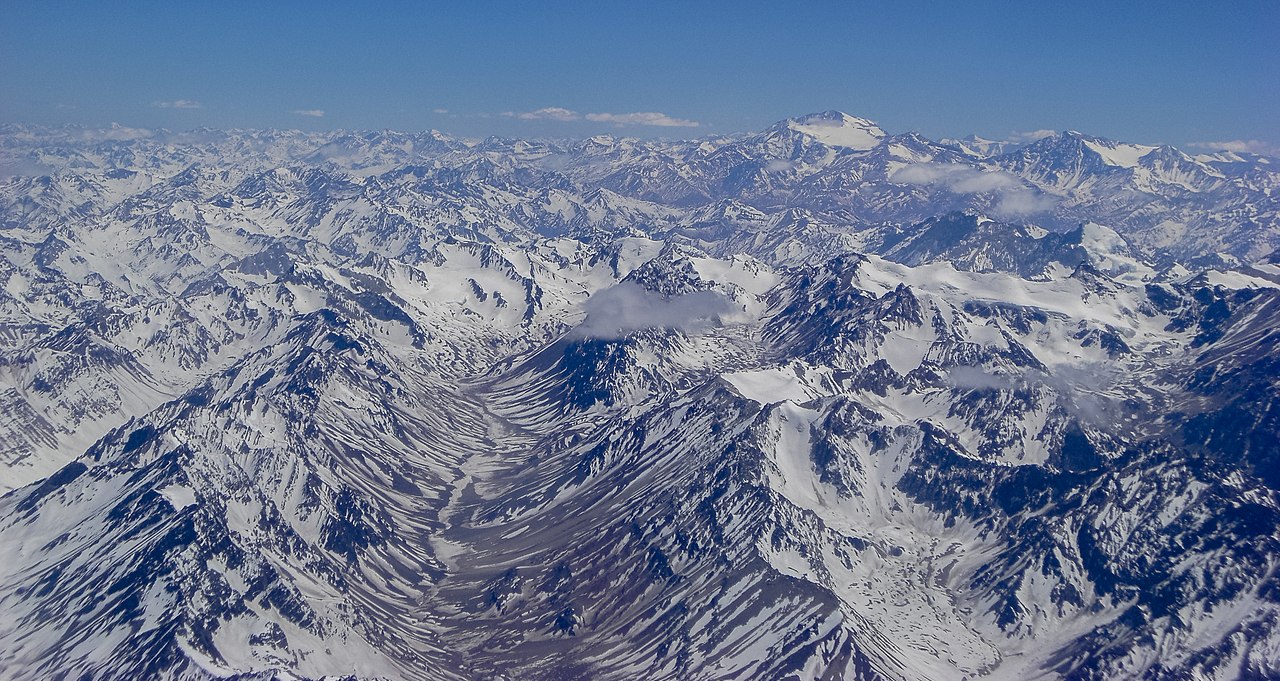
Chile's Andes mountains span 4,300 km along the country's eastern border, including Ojos del Salado (6,893m), the world's highest active volcano. Chile also has mountains in Patagonia and on Easter Island.
Key Context & Facts
- Mountains cover about 22% of the Earth's land surface and are home to approximately 15% of the world's population.
- All 14 peaks above 8,000 meters are located in the Himalayan and Karakoram ranges, spread across Nepal, China, Pakistan, and India.
- Mountain regions are critical water towers — they supply freshwater to more than half of the world's population through river systems that originate in high-altitude snow and ice.
Final Thoughts
The most mountainous countries tend to cluster along the world's great collision zones — the Himalayas, Andes, Alps, and Central Asian ranges. These mountains shape climate, culture, and development patterns, serving as both barriers and resources. As glaciers retreat due to climate change, the water security of billions of people who depend on mountain-fed rivers faces unprecedented threats.
Test Your Knowledge!
How well do you know world geography? Try our interactive games!
Play Geography Games →