
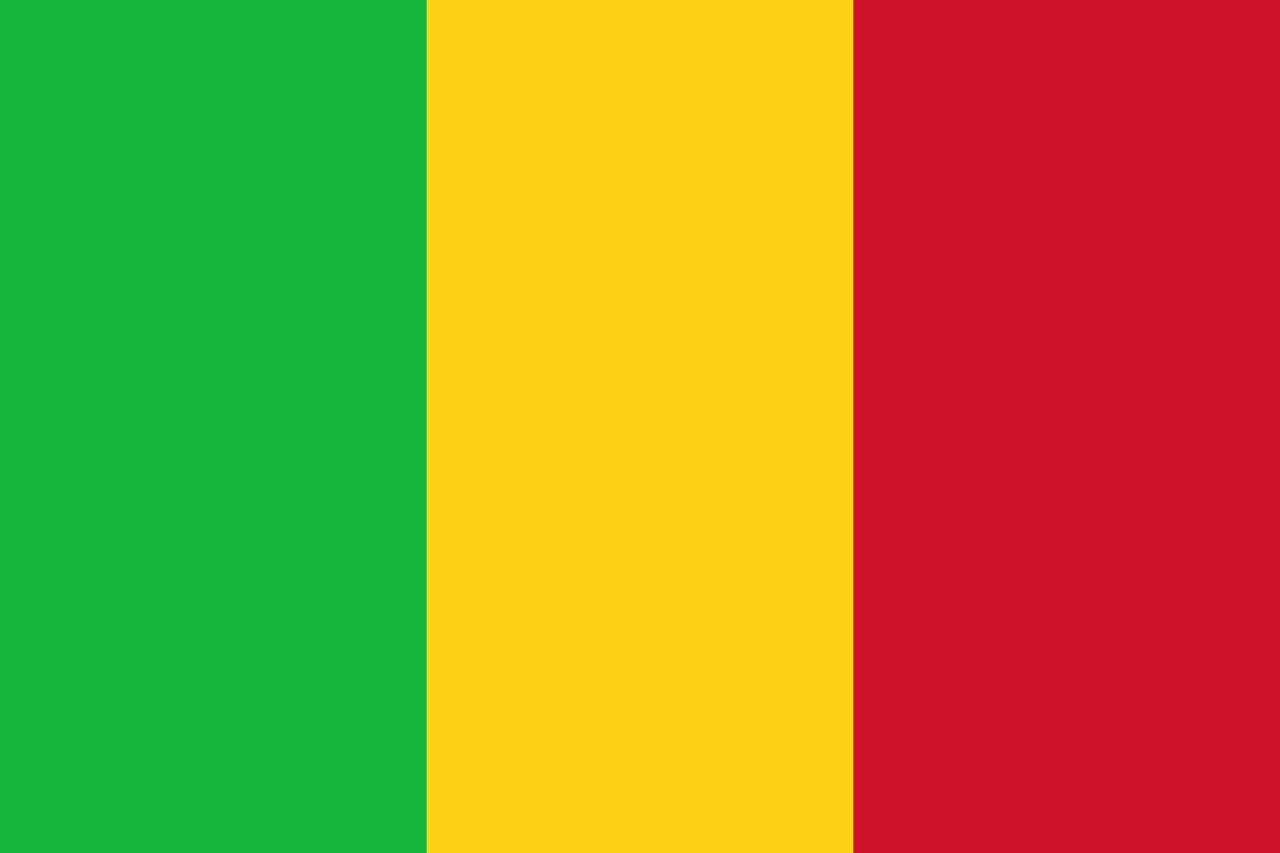
Mali is a vast, landlocked nation in West Africa where the golden sands of the Sahara meet the life-giving curve of the Niger River. Once the seat of one of the wealthiest empires the world has ever known, it remains a place of mud-brick mosques, legendary music, and ancient libraries. Here are ten fascinating facts that reveal why Mali is one of Africa's most captivating countries.
1. It Was Home to One of History's Richest Empires
In the 14th century, the Mali Empire dominated West Africa, controlling the lucrative trans-Saharan trade in gold and salt. Its most famous ruler, Mansa Musa, is frequently cited by historians as possibly the wealthiest individual in human history. During his pilgrimage to Mecca in 1324, he reportedly distributed so much gold along the way that he destabilized the economies of cities like Cairo for years. The empire's wealth funded scholarship, architecture, and trade routes that connected sub-Saharan Africa to the Mediterranean world. The modern country takes its name directly from this storied empire, a deliberate nod to a glorious medieval past.
2. The Niger River Is Mali's Lifeline
The Niger River, the third-longest in Africa, carves a great arc through Mali, and life clusters along its banks. The river supports fishing, farming, and transport in a country where much of the land is arid or desert. One of its most remarkable features is the Inner Niger Delta, a vast inland wetland that swells dramatically during the rainy season, creating a seasonal floodplain that sustains millions of people, livestock, and migratory birds. For the Bozo and Somono fishing communities, the river is not just water but the foundation of an entire way of life that has endured for centuries.
3. Timbuktu Was a Legendary Center of Learning
Far from being a mythical "middle of nowhere," Timbuktu was one of the intellectual capitals of the medieval world. By the 15th and 16th centuries it housed renowned Islamic universities, including the Sankore Madrasah, and tens of thousands of scholars studied theology, astronomy, mathematics, and law there. The city's private libraries preserved hundreds of thousands of manuscripts, some dating back centuries. Many of these priceless documents were heroically smuggled to safety in 2012 when armed groups threatened the city. Today Timbuktu remains a UNESCO World Heritage Site and a powerful symbol of African scholarship.
4. Bamako Is Among Africa's Fastest-Growing Cities
The capital, Bamako, sits on the banks of the Niger River and has grown explosively in recent decades to become one of the fastest-growing urban centers on the continent. It is the heart of Mali's government, commerce, and cultural life, buzzing with markets, music venues, and the rhythm of daily trade. The city is famous for its vibrant arts scene and has long been a magnet for musicians from across the country, earning it a reputation as a creative hub in West Africa. Read more in our full country guide to explore Bamako and beyond.
5. The Great Mosque of Djenné Is the World's Largest Mud Building
The Great Mosque of Djenné is the largest mud-brick (adobe) structure on Earth and a masterpiece of Sudano-Sahelian architecture. Built from sun-dried bricks, mud plaster, and wooden palm beams that bristle from its walls, the mosque must be re-plastered every year. This is done during the famous Crépissage festival, when the entire town comes together in a joyful communal effort to repair and protect the building. The current structure dates to 1907, but a mosque has stood on the site since the 13th century. Together with the old town of Djenné, it is a UNESCO World Heritage Site.
6. Mali Is a Global Powerhouse of Music
Mali punches far above its weight on the world music stage, and many consider it the spiritual home of the blues. Internationally celebrated artists such as Ali Farka Touré, Salif Keïta, Toumani Diabaté, and the duo Amadou & Mariam have won global acclaim and Grammy recognition. Central to this tradition are the griots (or jeli), hereditary musicians and oral historians who have preserved genealogies, epics, and history through song for generations. Instruments like the harp-like kora and the ngoni lute give Malian music its distinctive, hypnotic sound that has influenced artists worldwide.
7. It Is One of the World's Top Gold Producers
Gold has shaped Mali's fortunes for over a thousand years, and it remains central to the economy today. Mali is consistently ranked among the largest gold producers in Africa, and the metal accounts for a major share of the country's export earnings. Beyond gold, the economy leans heavily on agriculture, with cotton being a crucial cash crop and livestock playing a vital role for the country's many pastoralist communities. This blend of ancient mineral wealth and farming reflects both Mali's deep history and the daily realities of millions of its citizens who depend on the land.
8. The Dogon People Cling to Spectacular Cliffs
Along the dramatic Bandiagara Escarpment, a sandstone cliff stretching for roughly 150 kilometers, live the Dogon people, renowned for their elaborate cosmology, masked dances, and striking architecture. Their villages, with distinctive granaries and dwellings built into the rock face, are among the most photographed sites in Africa. The Dogon are famous for their sophisticated knowledge of astronomy, including detailed traditions surrounding the star Sirius, which has fascinated and puzzled anthropologists for decades. The cliffs and their cultural landscape form yet another of Mali's UNESCO World Heritage Sites.
9. A Mosaic of Peoples and Languages
Mali is home to roughly 25.9 million people drawn from many ethnic groups, including the Bambara, Fula (Fulani), Soninke, Songhai, Tuareg, and Dogon, among others. While French long served as the official language as a legacy of colonial rule, Bambara is the most widely spoken tongue and functions as a common lingua franca in markets and daily life. In recent years Mali has elevated its national African languages in official status, reflecting pride in its indigenous heritage. The country's flag of green, gold, and red carries Pan-African symbolism; learn more about Mali's flag and what its colors represent.
10. Tea Drinking Is a Cherished Social Ritual
In Mali, the preparation and sharing of attaya (sweet green tea) is far more than a beverage; it is a beloved social institution. The tea is brewed in small pots over charcoal and served in three successive rounds, each with a distinct character. A well-known saying holds that the first glass is "bitter as death," the second "mild as life," and the third "sweet as love." Pouring the tea from a height to create a frothy head is considered an art form, and the slow, deliberate ritual encourages conversation, hospitality, and the kind of unhurried togetherness that defines much of Malian social life.
Frequently Asked Questions
What is the capital of Mali?
The capital of Mali is Bamako, located on the banks of the Niger River in the southwest of the country. It is Mali's largest city, the center of government and commerce, and one of the fastest-growing urban areas in all of Africa.
What is Mali most famous for?
Mali is best known for the legendary city of Timbuktu, the immense wealth of the medieval Mali Empire and its ruler Mansa Musa, the spectacular mud-brick Great Mosque of Djenné, and its world-renowned musicians who helped shape the global sound of the blues.
Why is Mansa Musa considered so important?
Mansa Musa, who ruled the Mali Empire in the 14th century, is often described as possibly the richest person in history due to his control of vast gold reserves. His famous pilgrimage to Mecca, during which he gave away enormous amounts of gold, put Mali on the map of the medieval world and made it a legendary symbol of wealth and learning.
Conclusion
From the glittering legacy of Mansa Musa to the ancient libraries of Timbuktu, the towering walls of Djenné, and the soulful melodies of its griots, Mali is a country whose cultural and historical riches far outshine its modern economic challenges. It is a land where the desert, the river, and centuries of human achievement meet. These ten facts only begin to capture its depth, and there is always more to discover about this remarkable West African nation.