
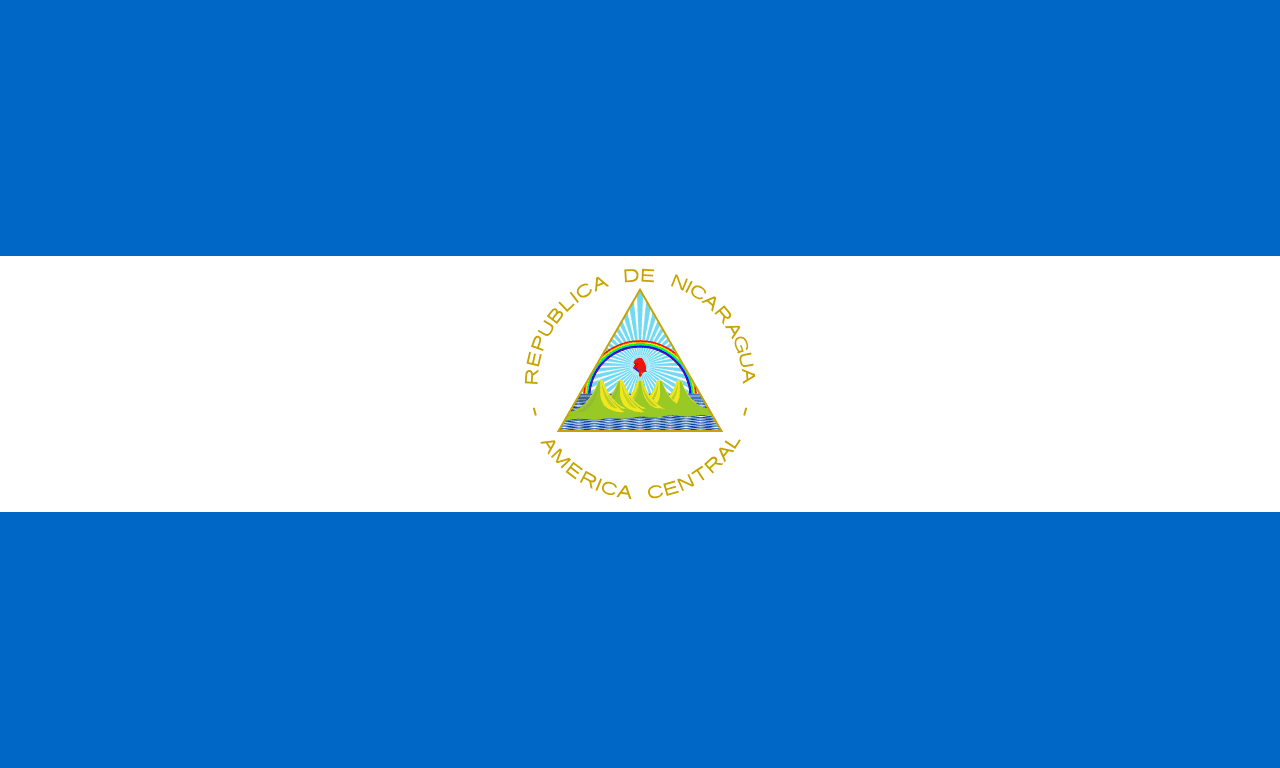
Nicaragua is the largest country in Central America by area, yet it remains one of the region's least-crowded and most surprising destinations. It is a land of smoking volcanoes, freshwater sharks, revolutionary poets, and a lake so vast it was once mistaken for the sea. From colonial cities painted in tropical pastels to surf breaks that draw travelers from around the globe, this is a nation where dramatic landscapes and a fierce cultural spirit go hand in hand.
1. It Is the "Land of Lakes and Volcanoes"
Nicaragua's unofficial nickname is the tierra de lagos y volcanes, and it earns it. A chain of volcanoes runs down the country's Pacific side, part of the Central American volcanic arc, with around 19 of them considered active. Volcanoes like Momotombo, Masaya, and Concepción dominate the horizon, and the country sits squarely on the Ring of Fire, making earthquakes and eruptions a recurring part of life.
Masaya Volcano is one of the few places on Earth where visitors can drive nearly to the crater rim and peer down into a glowing lava lake after dark. This volcanic activity has also shaped the soil, producing fertile ground that has supported agriculture for thousands of years.
2. Lake Nicaragua Is the Largest Lake in Central America
Lake Nicaragua, known locally as Cocibolca, sprawls across roughly 8,000 square kilometers, making it the largest freshwater lake in Central America. Early Spanish explorers were so awed by its size and waves that they nicknamed it the "freshwater sea." The lake holds over 400 islands, including the tiny archipelago of Las Isletas near Granada, formed by ancient volcanic debris.
Most famously, the lake is home to bull sharks. These predators adapted to swim up the San Juan River from the Caribbean, surviving in fresh water and earning Lake Nicaragua a place among the rare lakes on the planet with sharks.
3. Ometepe Island Rises From the Water on Two Volcanoes
Within Lake Nicaragua sits Ometepe, an island shaped like an hourglass and formed by two volcanoes, Concepción and Maderas, joined by a low isthmus. Its name comes from the Nahuatl words for "two hills," and it is one of the largest volcanic islands inside a freshwater lake anywhere in the world.
Ometepe is dotted with pre-Columbian petroglyphs and stone statues left by Indigenous peoples who considered it sacred. Today it draws hikers, kayakers, and travelers seeking waterfalls, organic farms, and a slower pace of life far from the mainland's bustle.
4. Managua Is the Capital and Largest City
Managua, set on the southern shore of Lake Managua (Xolotlán), is Nicaragua's capital and home to well over a million people in its metropolitan area. The city has a complicated relationship with disaster: a devastating earthquake in 1972 leveled much of the old downtown, and the city was rebuilt in a sprawling, decentralized way without a traditional center.
Locals famously give directions using landmarks that sometimes no longer exist, referencing "where the tree used to be." Despite the upheaval, Managua remains the country's political, commercial, and cultural engine. To dig deeper into the nation's regions and cities, see our country guide.
5. Granada Is One of the Oldest Cities in the Americas
Founded in 1524, Granada is among the oldest European-established cities on the American mainland. Its candy-colored colonial architecture, cobblestone streets, and the landmark yellow Cathedral of Granada make it one of the most photographed places in the country.
Granada's strategic location near Lake Nicaragua made it a wealthy trade hub but also a target. Pirates raided it repeatedly in the 1600s, and in 1856 the American filibuster William Walker, who had briefly seized control of Nicaragua, burned much of the city as he fled. Today Granada is a beloved tourist destination and a living museum of Spanish colonial history.
6. Spanish Is Official, but the Caribbean Coast Speaks Differently
Spanish is Nicaragua's official language, spoken by the vast majority of the population. But the country is far from linguistically uniform. Along the Caribbean coast, an autonomous region historically tied to British influence rather than Spanish colonization, you will hear Miskito Coast Creole English alongside Indigenous languages like Miskito, Sumo, and Rama.
This cultural divide between the Pacific west and the Caribbean east runs deep, reflected in food, music, and identity. The eastern coast's communities are descendants of Indigenous peoples, Afro-Caribbean settlers, and others, giving Nicaragua a richly layered cultural map that surprises many first-time visitors.
7. It Is a Country of Poets and Revolution
Nicaragua takes immense pride in literature, and its greatest national hero is the poet Rubén Darío. Born in 1867, Darío led the modernismo literary movement and is celebrated across the Spanish-speaking world as a transformative force in poetry. Nicaraguans often call their homeland the "land of poets."
The nation's modern history is equally dramatic. The Somoza family dynasty ruled for decades until the 1979 Sandinista Revolution overthrew the regime, an event that captured global attention. The conflicts and ideals of that era continue to shape Nicaraguan politics and identity well into the present day.
8. Gallo Pinto Is the Heart of the Cuisine
Ask Nicaraguans about their national dish and most will point to gallo pinto, a savory mix of rice and red beans fried together, often served at breakfast with eggs, fried plantains, and cheese. The name translates roughly to "spotted rooster," describing the speckled look of the dish.
Beyond gallo pinto, Nicaraguan food leans on corn, plantains, and tropical fruit. A signature treat is nacatamal, a hearty banana-leaf-wrapped tamale stuffed with pork, rice, and vegetables, traditionally eaten on weekends. Wash it down with a glass of pinolillo, a refreshing drink made from ground corn and cacao that is so beloved Nicaraguans call themselves pinoleros.
9. Baseball, Not Soccer, Is the National Sport
In a region where football reigns supreme, Nicaragua stands out: baseball is by far the most popular sport. The game arrived in the late 19th century and took root so firmly that Nicaragua has produced major-league players who are treated as national icons back home.
Sandlot games fill neighborhoods, and the professional league draws passionate crowds. The sport's popularity is sometimes attributed to early American influence in the region, but Nicaraguans have made it entirely their own, with fierce regional rivalries and a deep grassroots following that crosses generations.
10. San Juan del Sur and the Surf Coast
Nicaragua's Pacific coastline has become a magnet for surfers, and the town of San Juan del Sur is its lively hub. Consistent offshore winds blowing off Lake Nicaragua help create clean, well-shaped waves along nearby beaches like Maderas and Playa Hermosa.
The country also offers an only-in-Nicaragua adrenaline activity: volcano boarding down the black slopes of Cerro Negro, sliding on a wooden board over loose volcanic gravel at high speed. Combined with affordable prices and uncrowded beaches, this blend of surf, volcanoes, and adventure has helped tourism become an increasingly important part of the economy. You can also explore the national symbolism in our piece on the flag.
Frequently Asked Questions
What is the capital of Nicaragua?
The capital of Nicaragua is Managua, located on the southern shore of Lake Managua. It is the country's largest city and serves as its political, economic, and cultural center, with a metropolitan population exceeding one million people.
What is Nicaragua famous for?
Nicaragua is famous for its volcanoes and lakes, earning the nickname "land of lakes and volcanoes." It is also known for the colonial city of Granada, Lake Nicaragua's freshwater bull sharks, the poet Rubén Darío, the 1979 Sandinista Revolution, and its growing reputation as a surfing and adventure-travel destination.
Does Lake Nicaragua really have sharks?
Yes. Lake Nicaragua is one of the few freshwater lakes on Earth with sharks. Bull sharks adapted to travel up the San Juan River from the Caribbean Sea and survive in fresh water, a rare phenomenon that has long fascinated scientists and visitors alike.
Conclusion
From shark-filled lakes and twin-volcano islands to revolutionary poets and weekend nacatamales, Nicaragua packs an extraordinary amount of geography, history, and culture into a single Central American nation. These ten facts only begin to capture a country defined by resilience, natural drama, and a deeply distinct identity. Whether you come for the surf, the volcanoes, or the stories, Nicaragua rewards the curious traveler at every turn.