
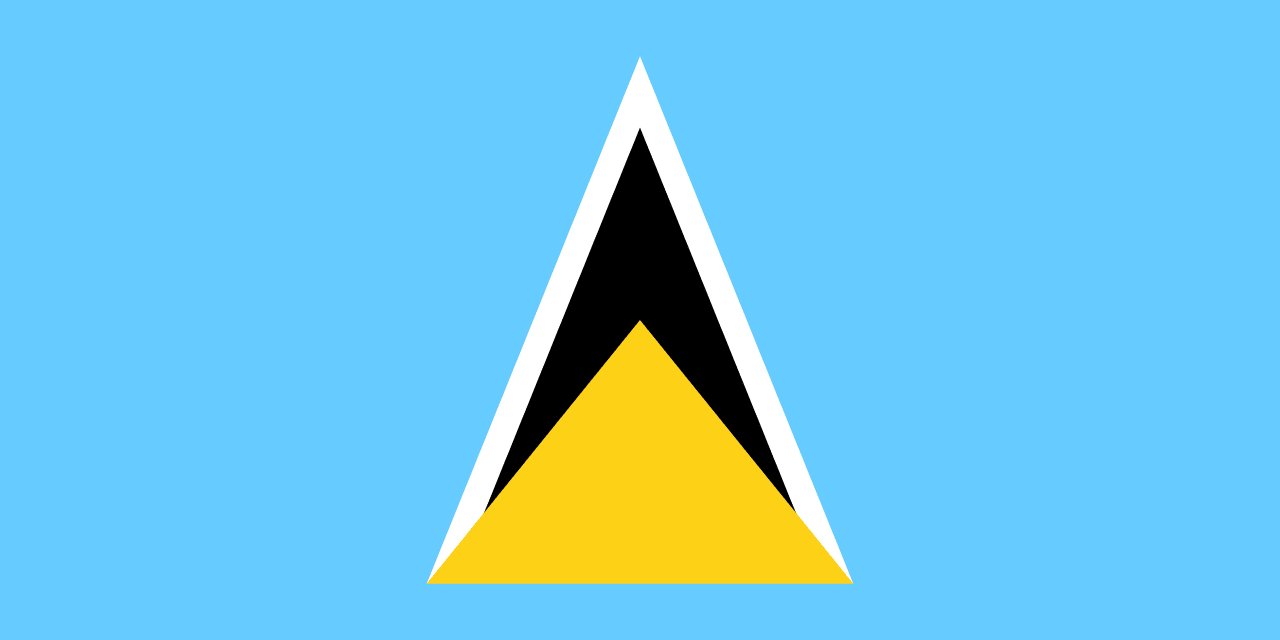
Few islands pack as much drama into so little space as Saint Lucia. With twin volcanic spires rising straight out of the sea, a bubbling drive-in volcano, rainforests full of rare parrots, and a culture that mixes French, African, and English threads into something entirely its own, this tiny Eastern Caribbean nation feels far larger than its map dot suggests. Here are ten facts that reveal why Saint Lucia is one of the most distinctive countries in the world.
1. The Pitons Are the Island's Soul-Stirring Signature
Saint Lucia's most famous landmark is actually two: the Pitons, a pair of forested volcanic spires near the town of Soufrière that rise abruptly from the Caribbean Sea. Gros Piton stands about 770 metres tall, while its sharper sibling Petit Piton reaches roughly 743 metres. Together they form one of the most photographed silhouettes in the Caribbean and were declared a UNESCO World Heritage Site in 2004. They are remnants of ancient lava domes, and the surrounding Pitons Management Area protects coral reefs, geothermal fields, and rich forest. Hiking Gros Piton is a popular challenge, rewarding climbers with sweeping views over the island and the sea below.
2. You Can Drive Right Into a Volcano
Near Soufrière sits Sulphur Springs, marketed as the world's only "drive-in volcano." Visitors can roll up by car to the edge of a collapsed crater where steam hisses from the earth and pools of grey water bubble and boil. The site is part of the dormant Qualibou volcano, and the surrounding springs feed mineral-rich mud baths that locals and tourists alike slather on their skin for its supposed therapeutic benefits. The smell of sulphur is unmistakable, but the experience of standing inside a living geothermal landscape is unforgettable and ranks among the island's top attractions.
3. Castries Is a Capital Rebuilt by Fire
Castries, the capital and largest city, sits on a sheltered natural harbour on the northwest coast and is home to a large share of the island's residents. The city has been devastated by fire several times in its history, most catastrophically in 1948, which is why much of its architecture is more modern than colonial. At its heart is the Cathedral of the Immaculate Conception, the largest church in the Caribbean, famous for its vividly painted interior. Nearby, the Castries Central Market overflows with spices, produce, and handicrafts. Towering over it all is Morne Fortune, a hill with sweeping harbour views and old military fortifications.
4. A Nation of Around 180,000 People
Saint Lucia is home to roughly 180,000 people, most of whom are descendants of enslaved Africans brought to work the island's sugar plantations during the colonial era. The population is concentrated in the north around Castries and the resort district of Rodney Bay, while the rest of the island remains rural and green. Saint Lucians are known for their warmth and strong sense of community, and family and church life play a central role. For a deeper portrait of the island and its people, see our country guide.
5. English Is Official, But Kwéyòl Is the Heartbeat
While English is the official language used in government, schools, and business, the everyday language of many Saint Lucians is Saint Lucian Creole, known locally as Kwéyòl or Patois. This French-based Creole reflects the island's long French colonial presence and is a living link to West African and French heritage. You will hear it in markets, homes, and music, and it is celebrated each October during Jounen Kwéyòl (Creole Day), when towns across the island honour traditional dress, food, and language. The blend of English and Kwéyòl gives Saint Lucia a uniquely layered linguistic identity.
6. It Changed Hands 14 Times Between Britain and France
Few places have been fought over as fiercely as Saint Lucia. Strategically positioned in the Eastern Caribbean, the island was contested so often between the British and the French that it earned the nickname "the Helen of the West Indies," after Helen of Troy. Control reportedly switched between the two powers around 14 times before Britain secured it definitively in 1814. Saint Lucia finally gained full independence within the Commonwealth on 22 February 1979. This turbulent history explains why French place names, Catholic traditions, and Kwéyòl coexist with English law and institutions across the island today.
7. Two Nobel Laureates from One Tiny Island
Saint Lucia holds an astonishing distinction: it has produced two Nobel Prize winners despite its tiny population, giving it one of the highest per-capita rates of laureates on Earth. Sir Arthur Lewis won the Nobel Prize in Economics in 1979 for his pioneering work on the economics of developing nations. The poet and playwright Derek Walcott won the Nobel Prize in Literature in 1992, celebrated for verse that wove together the Caribbean's landscapes, history, and Creole voice. Both men were born in Castries, and the island honours them with Nobel Laureate Week each January.
8. Tourism, Bananas, and Beautiful Beaches Drive the Economy
Saint Lucia's economy leans heavily on tourism, which draws visitors to its beaches, dive sites, and the iconic Pitons, and on agriculture, with bananas historically the leading export crop. The island has worked to diversify into services, offshore finance, and small-scale manufacturing, but the rhythm of cruise ships docking at Castries and resorts dotting the coast remains central to daily life. Soufrière's geothermal landscape, the marine reserves, and luxury hotels nestled between the Pitons make tourism the island's economic engine, employing a large portion of the workforce directly and indirectly.
9. The Endangered Saint Lucia Parrot Is a National Symbol
The island's national bird is the Saint Lucia parrot, locally called the Jacquot, a vivid green, blue, and red parrot found nowhere else on Earth. By the late 1970s, hunting and habitat loss had pushed it to the brink, with only around 100 birds left in the wild. A determined conservation campaign, including making the parrot a protected national symbol, helped its numbers recover significantly. It now thrives in the interior rainforest, which also shelters boa constrictors, hummingbirds, and lush ferns. You can spot the bird's bold colours echoed in the island's flag and national imagery.
10. Green Fig and Saltfish Is the National Dish
Saint Lucian cuisine is hearty, spiced, and rooted in local ingredients. The national dish is green fig and saltfish, where "green fig" actually means unripe green bananas, boiled and served with sautéed salted cod, onions, peppers, and herbs. It is a comforting staple often eaten for breakfast or a main meal. Beyond it, the island serves up bouyon stews, fresh seafood, breadfruit, callaloo, and fiery pepper sauces, while the famous Friday-night "fish fry" at Anse La Raye and Gros Islet turns dinner into a community street party with grilled seafood, music, and dancing late into the night.
Frequently Asked Questions
What is the capital of Saint Lucia?
The capital of Saint Lucia is Castries, located on a sheltered natural harbour on the island's northwest coast. It is the largest city and the centre of commerce, government, and cruise tourism, and it is famous for its bustling central market and the brightly painted Cathedral of the Immaculate Conception.
What is Saint Lucia famous for?
Saint Lucia is best known for the Pitons, its twin volcanic peaks rising from the sea, along with its drive-in volcano at Sulphur Springs, lush rainforests, and beautiful beaches. It is also celebrated for producing two Nobel laureates and for its rich Creole culture and cuisine.
Why does Saint Lucia have French place names if it speaks English?
Saint Lucia changed hands between Britain and France around 14 times before Britain finally took control in 1814. The repeated French rule left a deep legacy of French place names, Catholic traditions, and the widely spoken French-based Kwéyòl Creole, even though English is now the official language.
Conclusion
Saint Lucia proves that a small island can hold an extraordinary amount of wonder, from volcanic peaks and steaming springs to Nobel-winning minds and a vibrant Creole soul. Whether you are drawn by its natural drama, its layered history, or its flavourful food, there is always more to discover. These ten facts are just the beginning of getting to know one of the Caribbean's most captivating nations.