
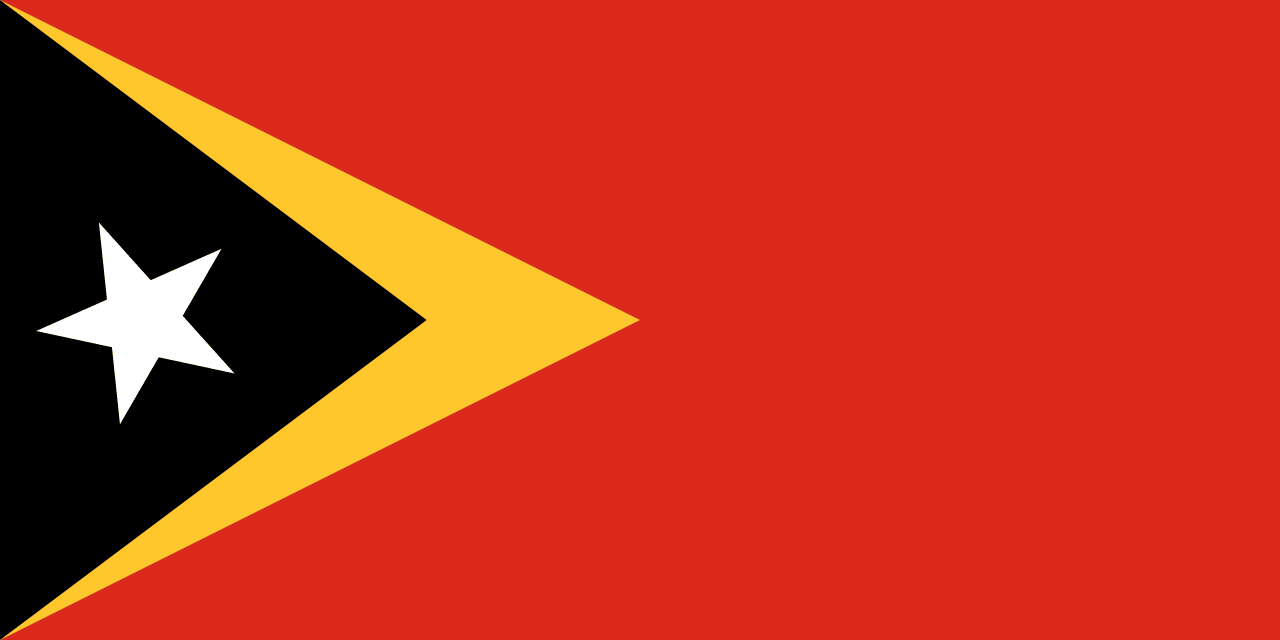
Timor-Leste, also known as East Timor, is one of the youngest countries on Earth and the only nation in Asia where Portuguese is an official language. Tucked into the eastern half of an island between Indonesia and Australia, this rugged, coffee-scented land emerged from a long and painful struggle for independence to become a place of breathtaking coral reefs, sacred mountains, and a fiercely proud people. Here are ten fascinating facts that reveal why this small nation deserves a much bigger place on your map.
1. It Was the First New Sovereign State of the 21st Century
Timor-Leste formally restored its independence on 20 May 2002, making it the very first new sovereign nation of the 21st century. The path there was brutal: after roughly 450 years as a Portuguese colony, the territory was invaded and annexed by Indonesia in 1975. A 1999 UN-supervised referendum saw an overwhelming majority vote for independence, but the result triggered a wave of violence before international peacekeepers restored order. You can read more in our country guide, which traces this remarkable journey from occupation to nationhood.
2. Dili Is a Laid-Back Seafront Capital
Dili, the capital, hugs the northern coast and is home to roughly a quarter of a million people. It is a small, walkable city where Portuguese colonial buildings sit beside modern government offices, busy markets, and palm-lined beaches. The waterfront Cristo Rei statue, a 27-metre figure of Christ perched on a hilltop headland, is the city's signature landmark and a gift made during the Indonesian era. Despite its turbulent recent history, Dili today is relaxed and friendly, with a growing cafe culture fuelled by the country's excellent locally grown coffee and a population eager to welcome curious travellers.
3. It Shares an Island With Indonesia
Timor-Leste occupies the eastern half of the island of Timor, while the western half belongs to Indonesia. Curiously, the country also includes Oecusse, a coastal enclave entirely surrounded by Indonesian territory on the island's northwest, plus the small islands of Atauro and Jaco. This patchwork is a legacy of colonial border-drawing between the Portuguese and the Dutch centuries ago. The land itself is dramatically mountainous, with a spine of peaks running down its centre and Mount Ramelau (Tatamailau) rising to about 2,963 metres as the nation's highest point and a popular sunrise pilgrimage site.
4. Portuguese and Tetum Are Both Official Languages
Timor-Leste is unusual in having two official languages: Tetum, an Austronesian tongue spoken widely across the country, and Portuguese, the language of the former colonial power. Indonesian and English are recognised as "working languages," and alongside these, more than 30 distinct indigenous languages and dialects are spoken across the rugged interior. This linguistic layering reflects the nation's complex history. The decision to keep Portuguese after independence was partly symbolic, linking the new country to the wider Lusophone world and distinguishing it from the Indonesian occupation it had just escaped.
5. Coffee Is the Lifeblood of the Economy
Outside of oil and gas, coffee is by far Timor-Leste's most important export and the livelihood of a large share of rural families. The mountainous highlands around Ermera and Maubisse produce high-quality arabica, much of it grown organically in the shade simply because few farmers can afford chemicals. The country is also the original home of the famous "Hibrido de Timor," a natural coffee hybrid discovered here that has been used worldwide to breed disease-resistant varieties. Today specialty roasters across the globe prize Timorese beans, and a major international coffee company sources fair-trade coffee directly from local cooperatives.
6. The Petroleum Fund Is a National Safety Net
Much of Timor-Leste's national income comes from oil and gas reserves in the Timor Sea. Rather than spend the windfall all at once, the government established a sovereign wealth fund, the Petroleum Fund, designed to save and invest petroleum revenue for future generations. It is one of the largest funds of its kind relative to the size of the economy. Managing this wealth wisely is one of the country's central challenges, as leaders work to diversify beyond hydrocarbons into agriculture, tourism, and fisheries before the offshore fields eventually run dry.
7. Its Waters Are a Diver's Paradise
Timor-Leste sits within the Coral Triangle, the most biodiverse marine region on the planet. The island of Atauro, just off Dili, has been found to have some of the highest average reef-fish diversity of any site surveyed anywhere in the world. Divers and snorkellers can drop straight off the shore into walls teeming with fish, and the seasonal migration of whales and dolphins through the deep channel between Timor and Atauro is a spectacular sight. This underwater richness is increasingly central to the country's hopes for sustainable eco-tourism.
8. Sacred Houses Anchor Traditional Culture
At the heart of Timorese culture is the uma lulik, or "sacred house" — an ornately built ancestral home that serves as a spiritual centre for an extended family or clan. These tall, thatched structures, often raised on stilts and decorated with carvings, are far more than buildings; they hold heirlooms, host ceremonies, and embody the spiritual link between the living and their ancestors. Animist beliefs remain deeply woven into daily life even though the country is overwhelmingly Roman Catholic, a faith inherited from Portugal that surged in importance during the years of resistance.
9. The Cuisine Blends Portuguese, Asian, and Local Flavours
Timorese food reflects the country's crossroads history. Staples include rice, maize, cassava, and sweet potato, often paired with fresh seafood from the surrounding seas. Ikan sabuko (grilled or marinated fish with tamarind and basil) and batar daan (a hearty stew of corn, pumpkin, and mung beans) are local favourites, while Portuguese influence lingers in dishes like caril curries and a love of strong coffee. Tropical fruits such as papaya, mango, and jackfruit are abundant, and meals are typically shared communally, reflecting the importance of family and community in everyday life.
10. A Crocodile Legend Shapes National Identity
According to a beloved origin myth, the island of Timor was created from a giant crocodile that transformed itself into the land as a reward for a kind boy who once saved its life. The crocodile's scaly back became the country's craggy mountains. Timorese often refer to crocodiles respectfully as avo lafaek, or "grandfather crocodile," and the reptile appears as a national symbol. The legend is so woven into identity that the elongated, crocodile-like shape of the island itself is seen as proof of the story. The motif even appears in the national symbolism that you can explore alongside the country's flag.
Frequently Asked Questions
What is the capital of Timor-Leste?
The capital is Dili, a coastal city on the northern shore of the island of Timor. Home to roughly a quarter of the country's population, it is the centre of government, commerce, and culture, and the gateway for most visitors arriving by air or sea.
What is Timor-Leste famous for?
Timor-Leste is best known for being one of the world's newest nations, for its high-quality mountain-grown coffee, and for its extraordinary coral reefs within the Coral Triangle. It is also widely remembered for its long and ultimately successful struggle for independence, which drew global attention around the turn of the millennium.
Why is Portuguese spoken in Timor-Leste?
Portuguese is a legacy of around 450 years of colonial rule before 1975. After Indonesian occupation ended, the newly independent nation chose to keep Portuguese as an official language alongside Tetum, partly as a symbol of national identity and a link to the wider Portuguese-speaking world.
Conclusion
Timor-Leste packs an astonishing amount of history, culture, and natural wonder into a small, mountainous half-island. From its hard-won independence and bilingual heritage to its world-class reefs, prized coffee, and the crocodile legend at the heart of its identity, this young nation continually rewards the curious. It is a reminder that even the world's smaller and lesser-known countries hold stories well worth discovering.
