
The traditional foods of Canada include poutine, maple syrup, butter tarts, tourtière, Montreal smoked meat, Nanaimo bars, BeaverTails, and the Halifax donair — a roster of dishes shaped by the country's vast geography and its layers of Indigenous, French, British, and immigrant influence. Spanning six time zones, two official languages, and three coastlines, Canada has no single national cuisine but rather a patchwork of fiercely regional specialties, each tied to a particular climate, crop, or community.
The Dishes That Define Canada
If Canada has an unofficial national dish, it is poutine — crisp French fries smothered in fresh cheese curds and hot brown gravy. Born in rural Quebec in the late 1950s and once dismissed as humble diner food, it now appears everywhere from highway chip stands to fine-dining menus topped with lobster, foie gras, or truffle. Alongside it, a handful of dishes recur from coast to coast:
- Maple syrup — Canada produces roughly 71% of the world's supply, with Quebec alone accounting for the vast majority. It glazes salmon and bacon as readily as it tops pancakes.
- Butter tarts — flaky pastry shells filled with a runny mix of butter, sugar, and egg, the subject of Canada's most heated culinary debate: with raisins or without.
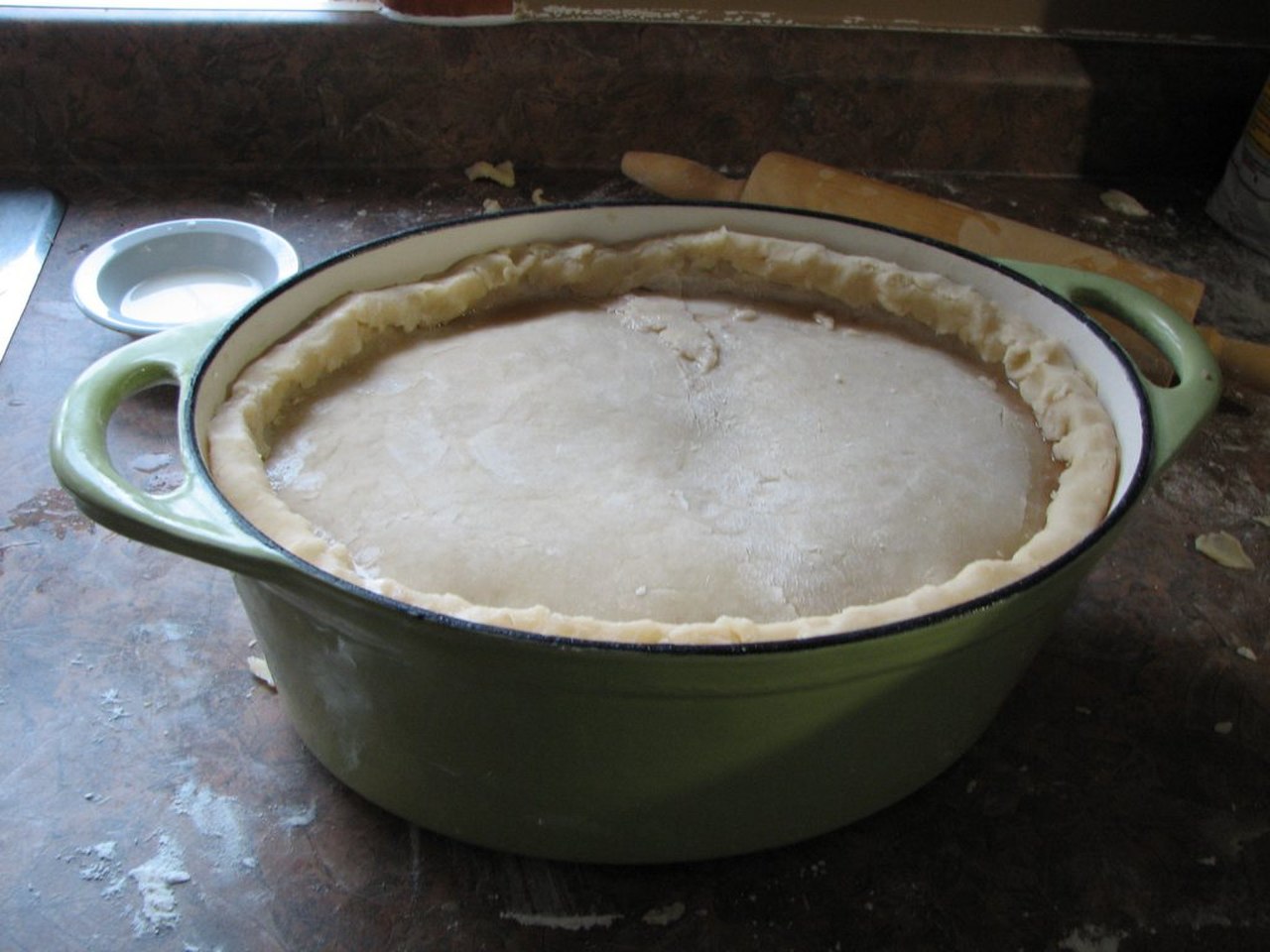
- Tourtière — a spiced Quebec meat pie of ground pork, veal, or game, traditionally served on Christmas Eve.
- Montreal smoked meat — cured, smoked beef brisket piled on rye with mustard, a Jewish-Canadian creation immortalized by delis like Schwartz's, open since 1928.
A Country of Regional Cuisines
Canada's food map mirrors its physical one. In Quebec, French heritage produces tourtière, pouding chômeur (a Depression-era cake that bakes in its own maple sauce), and pea soup. The Atlantic provinces lean on the sea: fresh lobster boiled and served with melted butter, Digby scallops, Nova Scotia's lobster rolls, and the sweet-sauced Halifax donair, declared the official food of that city in 2015.
Move west and the menu shifts. The Prairies are grain and cattle country, home to Alberta beef, Saskatoon berry pie, and Ukrainian-influenced perogies and cabbage rolls brought by early settlers. On the Pacific coast, British Columbia draws on salmon, spot prawns, and Asian flavours, while giving the nation the Nanaimo bar. This regional depth is part of what makes the wider canada country guide so rich — geography and cuisine are inseparable here.
Indigenous Roots and Settler Layers
Long before European contact, Indigenous peoples shaped the land's first cuisine. Bannock, a pan-fried or baked bread, became a staple across many First Nations and Métis communities. Maple sugaring itself was an Indigenous practice taught to French settlers, and game such as moose, caribou, bison, and venison, alongside wild salmon, fiddleheads, and berries, remain central to traditional Indigenous cooking.
European and later immigrant arrivals added their own layers. French colonists contributed pastry and slow-cooked meat pies, the British brought baking and tea culture, and twentieth-century newcomers from Italy, Ukraine, China, the Caribbean, South Asia, and beyond reshaped urban food scenes. The result is genuinely multicultural: a single Canadian city block might offer poutine, dim sum, and butter chicken poutine in the same afternoon.
Sweets, Snacks, and Drinks
Canada's sweet tooth is well documented. The Nanaimo bar, a no-bake three-layer square of chocolate-coconut crumb, custard, and ganache, takes its name from the BC city that codified the recipe. BeaverTails — stretched fried dough dusted with cinnamon sugar — are a winter institution, famously eaten while skating Ottawa's Rideau Canal during the Winterlude festival.
For drinks, the Caesar is uniquely Canadian: vodka, Clamato juice, hot sauce, Worcestershire, and a celery-salt rim, invented in Calgary in 1969 by bartender Walter Chell. Canadians down hundreds of millions of them a year. Add smooth Canadian rye whisky and the ubiquitous coffee of Tim Hortons — co-founded by hockey legend Tim Horton in 1964 — and the picture of everyday Canadian eating and drinking is complete.
Frequently Asked Questions
What is Canada's national dish?
Canada has no officially designated national dish, but poutine is widely regarded as the unofficial one. Originating in Quebec in the 1950s, it has spread across the entire country and now symbolizes Canadian comfort food worldwide.
What food is Canada most famous for internationally?
Maple syrup is Canada's most recognized food export, with the country producing around 71% of the global supply. Poutine and Canadian whisky also enjoy strong international name recognition.
What did Indigenous peoples in Canada traditionally eat?
Indigenous diets centred on game such as bison, moose, caribou, and venison, along with wild salmon, berries, fiddleheads, and corn. Bannock bread and maple sugaring are enduring traditions, the latter later adopted by European settlers.
Is Canadian food the same across the whole country?
No. Canada's cuisine is intensely regional — Quebec favours tourtière and pouding chômeur, the Maritimes specialize in lobster and donairs, the Prairies in beef and perogies, and British Columbia in salmon and Pacific Rim flavours.
