
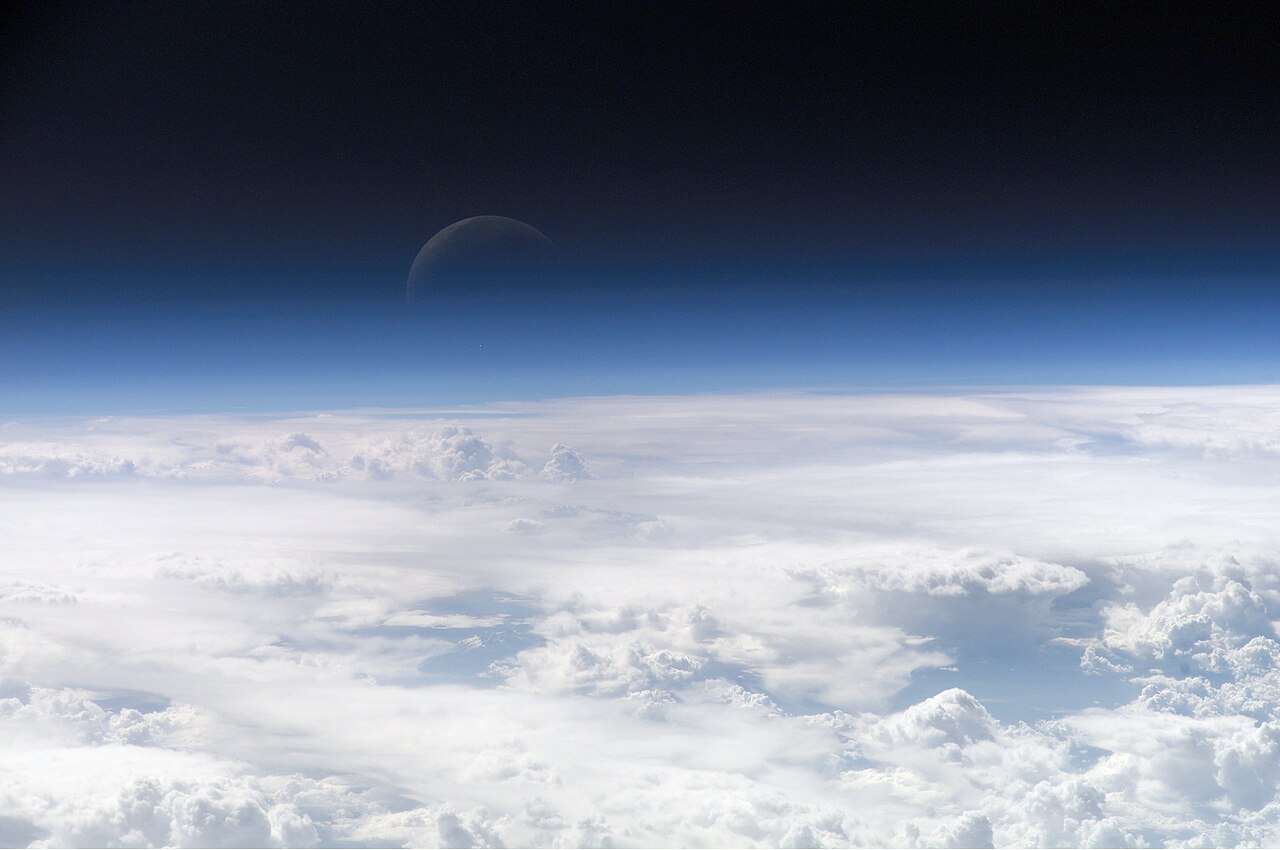
Weather is the short-term atmospheric conditions at a specific time and place (today's temperature, rain, wind), while climate is the average weather pattern in a region over a long period, typically 30+ years. As the saying goes: 'Climate is what you expect, weather is what you get.'

Quick Answer
Weather describes the short-term state of the atmosphere at a specific place and time — temperature, humidity, precipitation, wind, and cloud cover right now or in the next few days. Climate is the long-term average of weather conditions in a region, typically measured over 30 years or more.
The classic summary: "Climate is what you expect, weather is what you get." This quote, attributed to various sources including Mark Twain and Robert Heinlein, captures the essential distinction perfectly.
Key Differences
| Feature | Weather | Climate |
|---|---|---|
| Time scale | Minutes to days | Decades to centuries (30+ years) |
| Variability | Changes rapidly | Changes slowly |
| Scope | Specific location and time | Regional or global averages |
| Prediction | Weather forecasts (1-10 days) | Climate projections (decades) |
| Measurements | Current temp, rain, wind | Average temp, precipitation patterns |
| Example | "It's 28°C and sunny today" | "Summers here average 25°C" |
| Science | Meteorology | Climatology |
Weather Explained
Weather is caused by the uneven heating of Earth's surface by the sun. Because land, water, and different latitudes absorb and release heat at different rates, temperature and pressure differences arise, driving wind, precipitation, and storms. Weather systems typically span hundreds of kilometers and last hours to days.
Weather is inherently chaotic and unpredictable beyond about 10 days. This is because tiny differences in initial conditions can lead to vastly different outcomes — a concept known as the "butterfly effect," first identified by meteorologist Edward Lorenz in 1963. This is why weather forecasts become increasingly unreliable beyond a week.
Climate Explained
Climate is determined by long-term factors including latitude, altitude, proximity to oceans, ocean currents, prevailing winds, and topography. For example, London has a mild, rainy climate because of its mid-latitude position and the warming influence of the Gulf Stream, even though any given day in London might be sunny and warm or cold and dry.
The World Meteorological Organization (WMO) defines climate using 30-year averages called "climate normals." The current reference period is 1991-2020. These normals are updated every 10 years to reflect the slowly changing climate.
Why the Distinction Matters
Understanding the difference between weather and climate is crucial for interpreting climate change. A single cold winter does not disprove global warming, just as a single hot summer does not prove it. Climate change refers to shifts in long-term averages and patterns — such as the global average temperature rising by approximately 1.2°C since pre-industrial times.
Climate determines what crops can grow, what buildings are designed for, and what ecosystems thrive in a region. Weather determines whether you need an umbrella today. Agriculture, urban planning, insurance, and disaster preparedness all depend on understanding both.
Real-World Examples
The Sahara Desert has a hot, arid climate (average annual rainfall under 25 mm). But weather events in the Sahara can include rare, intense rainstorms that cause flash flooding — weather can surprise, but the climate trend is dry.
The UK has a temperate maritime climate with mild temperatures year-round. But British weather is famously unpredictable — it can go from sunshine to rain in minutes. The climate is stable; the weather is not.
Antarctica has a polar climate, the coldest on Earth. It once recorded -89.2°C. But on some summer days near the coast, temperatures can rise above 0°C. Those warm days are weather; the overall extreme cold is climate.
Climate Change vs Weather Variability
Climate change refers to significant, long-term shifts in global or regional climate patterns. The current period of climate change is characterized by rising average temperatures, shifting precipitation patterns, more frequent extreme weather events, and rising sea levels — driven primarily by increased greenhouse gas concentrations.
Weather variability is the natural day-to-day and year-to-year fluctuation in atmospheric conditions. A record-cold day in winter or a record-hot day in summer is weather variability. But when record-hot days consistently outnumber record-cold days over decades, that is evidence of climate change.
Key Facts
- Weather is short-term (hours to days); climate is long-term (30+ years).
- Weather is studied by meteorologists; climate by climatologists.
- Climate is defined by 30-year averages called "climate normals."
- A single weather event cannot prove or disprove climate change.
- Weather is chaotic and unpredictable beyond ~10 days; climate trends are more predictable.
- Both weather and climate are critical for agriculture, infrastructure, and disaster planning.
Fun Facts
- The fastest temperature change ever recorded was in Spearfish, South Dakota in 1943 — it rose from -20°C to 7°C in just 2 minutes.
- Mark Twain may never have actually said "Climate is what you expect, weather is what you get" — the quote's origin is disputed.
- Weather forecasting accuracy has improved dramatically — a modern 5-day forecast is as accurate as a 1-day forecast was in 1980.
- The Koppen climate classification system divides the world into 5 main climate groups and 30 subtypes.
Final Thoughts
Weather and climate are two sides of the same atmospheric coin. Weather is the day-to-day experience; climate is the long-term pattern. Understanding the distinction is essential not only for geography education but for making sense of climate change, agricultural planning, and the design of resilient communities. Next time someone points to a snowstorm as evidence against global warming, you will know the difference.
Test Your Knowledge!
Think you know your geography? Try our interactive quizzes and games!
Play Geography Games →