
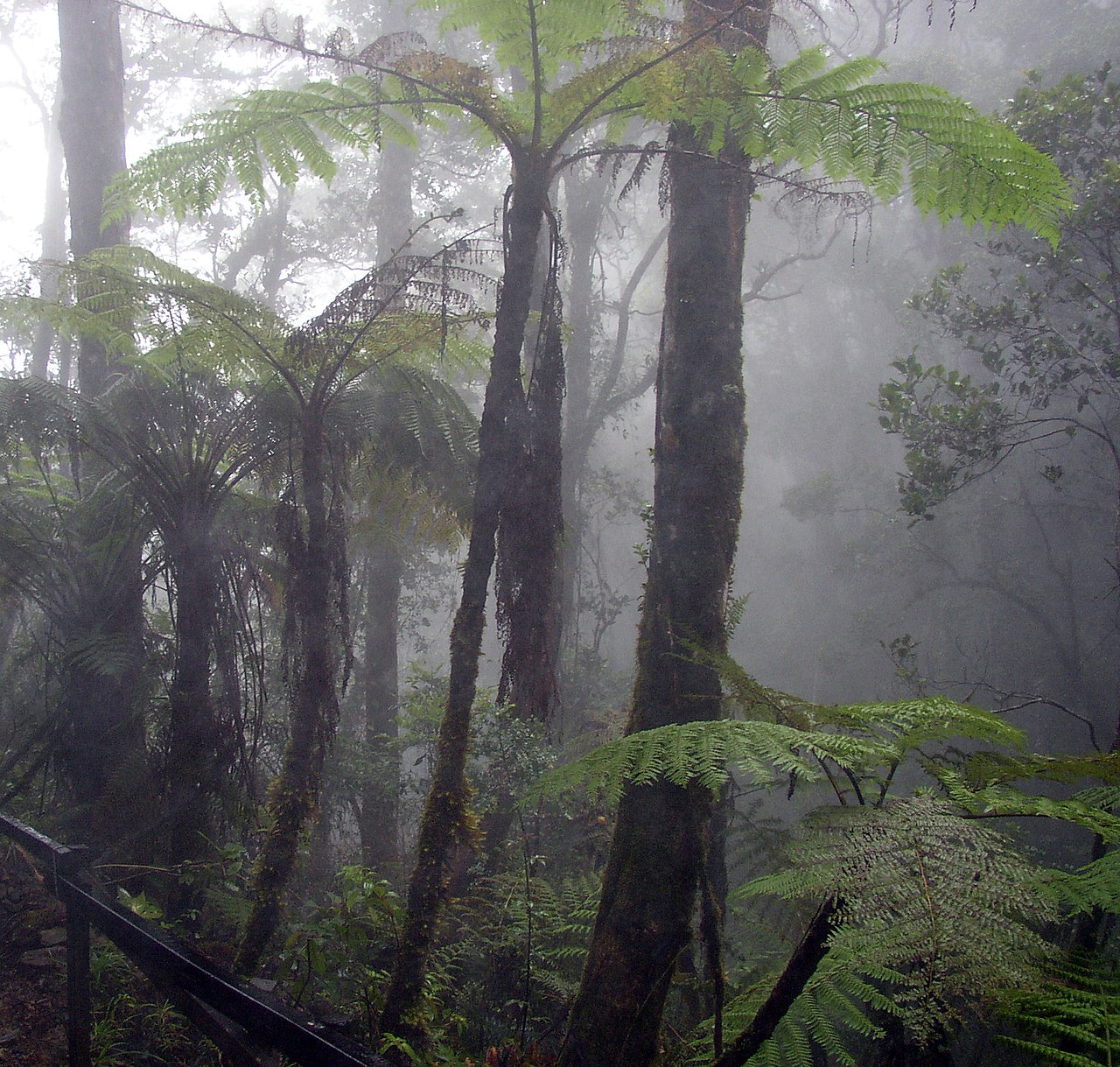
Costa Rica is home to 250 mammal species, 920 bird species, and 250 reptile species. Iconic wildlife includes three-toed sloths, resplendent quetzals, toucans, and sea turtles. Costa Rica's cloud forests, tropical rainforests, and marine reserves support some of the most biodiverse habitats on Earth.
Introduction
Despite covering only 0.03% of the Earth's surface, Costa Rica contains nearly 6% of the world's biodiversity. The country pioneered ecotourism and has placed roughly 25% of its territory under protection — one of the highest percentages of any nation.
Iconic Mammals
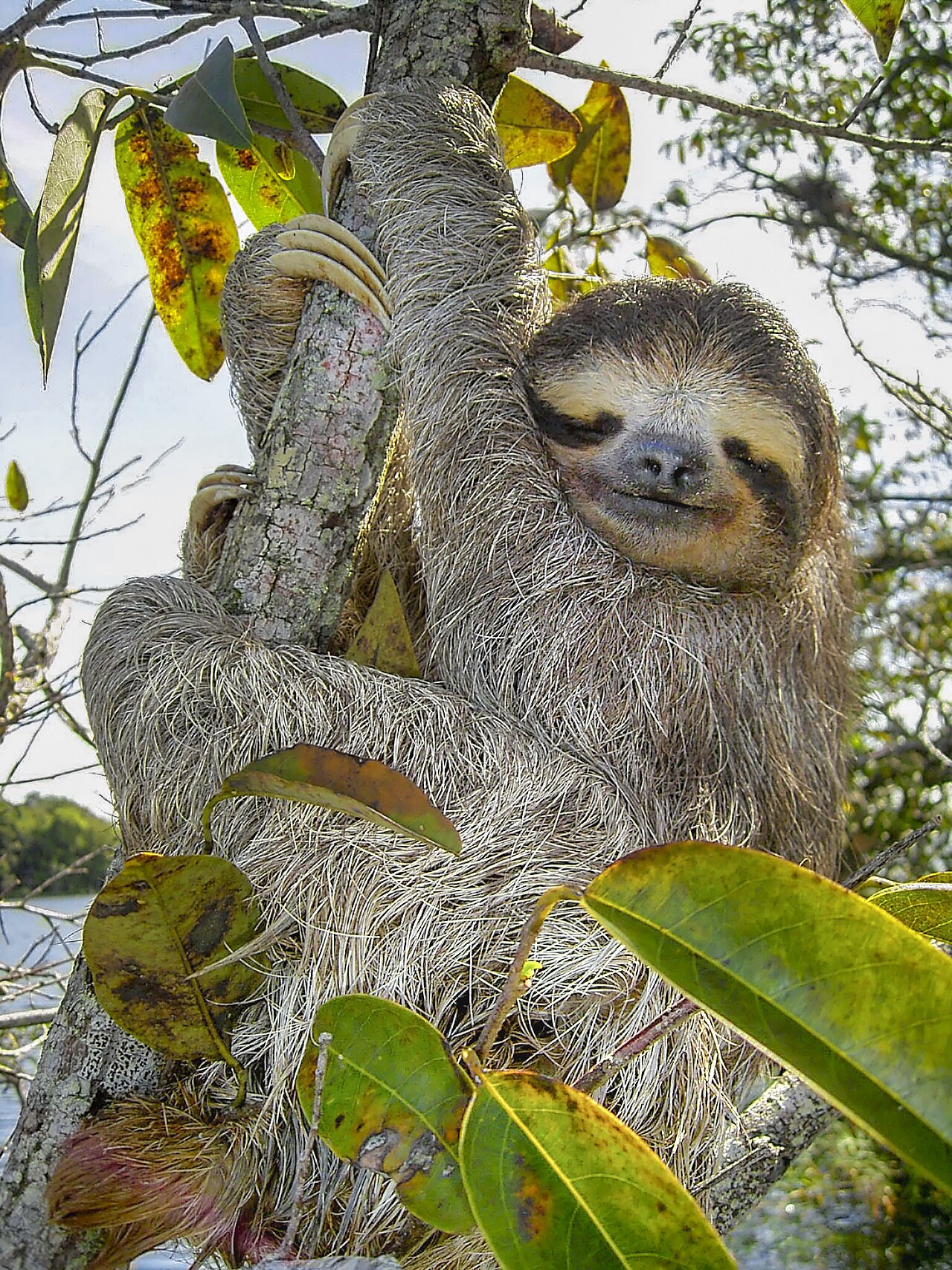
- Sloth Species: Two-toed and three-toed sloths
- Monkey Species: 4 species including howler, capuchin, squirrel, spider
- Jaguar: Found in Corcovado and remote forests
Three-toed sloths are Costa Rica's unofficial mascot, spending up to 20 hours a day hanging from branches in the canopy. Their fur hosts a unique ecosystem of algae, moths, and beetles. Howler monkeys, audible from 5 kilometers away, are the loudest land animal. White-faced capuchins are famously intelligent and frequently seen in Manuel Antonio National Park.
Jaguars survive in the remote Osa Peninsula's Corcovado National Park, which National Geographic called "the most biologically intense place on Earth." Baird's tapir, Central America's largest land mammal, is endangered but still found in Corcovado. Coatis, peccaries, and ocelots are common in lowland forests.
Birds & Reptiles
- Bird Species: 920 species — more than all of North America combined
- Resplendent Quetzal: Sacred to ancient Maya, found in cloud forests
- Poison Dart Frogs: 8 species with vibrant warning colors
Costa Rica has more bird species per square kilometer than almost any country on Earth. The resplendent quetzal, with its meter-long emerald tail feathers, inhabits the cloud forests of Monteverde and the Chiriqui highlands. Over 50 species of hummingbird dart through the country's gardens and forests.
The red-eyed tree frog is perhaps the world's most photographed amphibian. Costa Rica's poison dart frogs include the strawberry poison dart frog, whose bright red and blue coloration warns predators of its toxicity. Green basilisk lizards, nicknamed "Jesus Christ lizards," can run across the surface of water.
Marine Life
- Pacific Coast: Humpback whales, dolphins, manta rays
- Caribbean Coast: Coral reefs, manatees, sea turtles
- Sea Turtles: 5 species nest in Costa Rica
Costa Rica's Pacific waters attract humpback whales from both hemispheres, giving the country one of the longest whale-watching seasons in the world (December–April and July–November). Cocos Island, 550 km offshore, supports massive schools of hammerhead sharks, whale sharks, and manta rays.
The Caribbean coast is a critical nesting site for green sea turtles at Tortuguero National Park, where up to 30,000 turtles nest annually. Leatherback turtles, the world's largest, nest on Pacific beaches. The Gulf of Papagayo supports coral reefs with manta rays and bull sharks.
National Parks & Wildlife Reserves
- Protected Land: ~25% of territory under protection
- Corcovado: Most biologically intense place on Earth
- Monteverde: World-famous cloud forest reserve
Costa Rica's protected area system covers roughly 25% of the country. Corcovado National Park on the Osa Peninsula protects primary rainforest harboring jaguars, tapirs, scarlet macaws, and all four monkey species. Monteverde Cloud Forest Reserve is one of the world's premier birding destinations, with the resplendent quetzal as its star attraction.
Manuel Antonio, though one of Costa Rica's smallest national parks, is among the most visited due to its combination of pristine beaches and wildlife-rich forests. Tortuguero, accessible only by boat or air, is the most important sea turtle nesting site in the Caribbean.
Conservation Efforts
- Reforestation: Forest cover increased from 21% (1987) to 52% (2024)
- Carbon Neutral Goal: Aiming for carbon neutrality
- Ecotourism: $4+ billion annual revenue from nature tourism
Costa Rica's conservation story is one of the world's greatest environmental success stories. After losing more than half its forest cover by the 1980s, the country reversed deforestation through Payments for Ecosystem Services (PES), where landowners are paid to preserve and restore forests. Forest cover has rebounded from 21% in 1987 to over 52% today.
Ecotourism generates over $4 billion annually, making wildlife conservation economically compelling. Costa Rica generates over 98% of its electricity from renewable sources and has set ambitious targets for becoming the first carbon-neutral country.
Key Facts
- Costa Rica has nearly 6% of global biodiversity in just 0.03% of Earth's surface.
- Forest cover recovered from 21% (1987) to over 52% today.
- 920 bird species — more than all of North America.
- Five species of sea turtle nest on Costa Rican beaches.
- Corcovado was called "the most biologically intense place on Earth."
Fun Facts
- Sloths descend to the ground once a week to defecate — one of the riskiest moments of their lives, as they are vulnerable to predators.
- Howler monkeys are so loud that their calls can be heard from 5 kilometers away through dense forest.
- The resplendent quetzal's tail feathers were worth more than gold to the ancient Maya.
Final Thoughts
Costa Rica proves that a developing nation can reverse environmental destruction and build a thriving economy around wildlife conservation. Its combination of extraordinary biodiversity, innovative policies, and ecotourism success makes it a global model for sustainable development.
Test Your Knowledge!
Think you know your world geography? Try our interactive quiz!
Play Geography Games →