
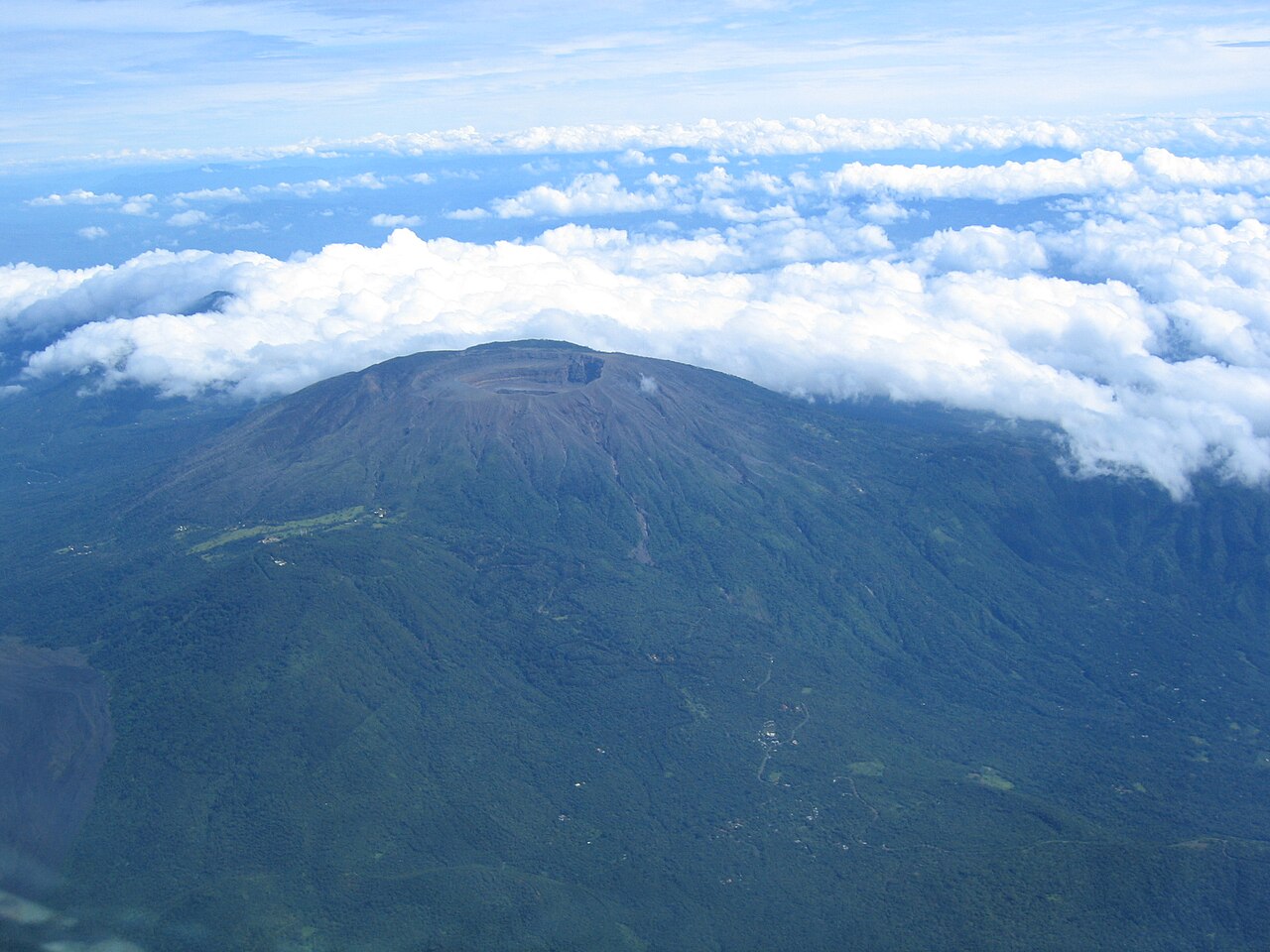
El Salvador is Central America's smallest country at 21,041 km² with population of 6.3 million — until recently its least-visited tourist destination. The country has dramatically transformed since 2019-2020 under President Nayib Bukele, with major government investment in tourism infrastructure along the famous Pacific surf coast (the famous "Surf City" branding launched 2019), the famous Bitcoin Law making El Salvador the world's first country to adopt Bitcoin as legal tender (September 2021), and dramatic security improvements through the famous "State of Exception" anti-gang crackdown (since March 2022 — controversial human-rights concerns but undeniable security gains, transforming El Salvador from one of the world's most dangerous countries to one of the Western Hemisphere's safest based on homicide rates).
Major destinations include the famous La Libertad coast (the famous "Surf City" — with El Tunco being the famous backpacker surf town with extensive nightlife, El Zonte being the famous "Bitcoin Beach" where the famous Bitcoin economy was first developed in 2019 before the country adopted it nationally, El Sunzal with its famous longboard wave, and the famous Punta Roca — one of the world's best right-hand point breaks), Las Flores (in eastern El Salvador — one of Central America's most consistent surf destinations), San Salvador (the capital — with the famous Metropolitan Cathedral, the famous El Boquerón crater overlooking the city, the famous National Palace, and the famous Plaza Libertad), Suchitoto (the famous colonial town overlooking Lake Suchitlán — Central America's "Antigua Guatemala alternative"), the famous Ruta de las Flores ("Route of Flowers" — connecting Concepción de Ataco, Apaneca, Juayúa, Salcoatitán, and Nahuizalco coffee-country towns), Santa Ana (Central America's most accessible volcano hike at 2,381 m — the famous summit crater lake with extraordinary turquoise color), Cerro Verde (with views of the famous Izalco — historically called "the Lighthouse of the Pacific" for its constant smoke before going dormant), Lake Coatepeque (the famous crater lake with extensive lakeside dining), Lake Ilopango (Central America's largest crater lake), Joya de Cerén (UNESCO World Heritage — the famous "Pompeii of the Americas," a Maya farming village buried under volcanic ash in 600 AD), Tazumal (the largest Maya archaeological site in El Salvador), and the famous Bahía de Jiquilisco (with mangroves and turtle nesting). Climate is Central American tropical with sharp dry/wet seasonal divide.
Quick verdict
Best overall: Mid-November-mid April.
Best for surfing (Pacific swells): March-October (peak May-September).
Best for volcano hiking (Santa Ana, Cerro Verde, Izalco): November-April.
Best for Ruta de las Flores (coffee country): November-March (coffee harvest, wildflowers).
Best for budget travelers: May-June (transition to wet season).
Best for Independence Day: September 15.
Best for Fiestas Agostinas (capital festival): First week of August.
Avoid if you can: September-October peak rain; afternoon storms cancel volcano hiking.
Dry season (mid-November-mid April)
The country at its best for non-surfing travel. Coastal daytime 28-32 °C with low humidity by Central American standards. The famous La Libertad coast — including El Tunco, El Zonte (the "Bitcoin Beach"), Punta Roca, and El Sunzal — is at peak. Surf is consistent though smaller; the dry-season swell window suits beginners and intermediate surfers.
The volcano-climbing window peaks. Santa Ana (the country's highest at 2,381 m) requires guided ascent — military escort included due to lingering historical concerns, though entirely safe currently. The summit crater lake is one of Central America's most striking views. Cerro Verde (an easier hike with view of Izalco — historically called "the Lighthouse of the Pacific" for its constant smoke before going dormant) is the most accessible volcano hike.
The Ruta de las Flores (Route of Flowers) connecting Concepción de Ataco, Apaneca, Juayúa, and Salcoatitán hits peak. Coffee harvest runs November-March. Weekend food festivals in Juayúa (Saturday-Sunday) draw domestic and international tourists.
Wet season (May-October)
Daytime 28-32 °C with afternoon thunderstorms typically arriving 2-4 pm. Mornings remain clear. The famous Pacific swell season peaks May-September — this is when serious surfers come. Punta Roca's right-hand point break delivers head-high to overhead waves consistently. Las Flores in eastern El Salvador becomes one of Central America's most consistent surf destinations.
The interior turns lush — coffee plants flower with their distinctive white blossoms in May-June. The famous Apaneca Cloud Forest at peak.
Regional variations
La Libertad coast (El Tunco, El Zonte, El Sunzal): The famous "Surf City" stretch. Year-round but best March-October for surf, November-April for general travel.
Eastern coast (Las Flores, Esterón): Less developed; world-class point break at Las Flores best May-September.
Lake Coatepeque and Lake Ilopango (crater lakes): Year-round; clearer in dry season.
Ruta de las Flores (highlands, 1,000-1,800 m): Cooler year-round (16-26 °C). Best November-March for coffee harvest.
San Salvador (capital): Mountain valley climate, year-round mild.
Suchitoto (colonial town): Best November-April.
Festivals & cultural events
Fiestas Agostinas (August 1-6): San Salvador's annual capital festival celebrating the country's patron saint. Parades, music, and the famous "Bajada" procession.
Independence Day (September 15): National parades.
Festival Gastronómico de Juayúa (every weekend, year-round): Food festival drawing visitors from San Salvador.
Las Bolas de Fuego (August 31, Nejapa): A unique festival where locals throw fireballs at each other commemorating a volcanic eruption.
Día de los Muertos (November 2): Cemetery decorations and family rituals.
ISA World Surfing Games (varies): El Salvador hosts increasingly regularly as part of the Surf City branding.
Cultural and practical notes
El Salvador has transformed dramatically from one of Latin America's most dangerous countries to one of the safest in 5 years following major security policy changes under President Nayib Bukele's controversial famous "State of Exception" gang crackdown — visitor numbers are up significantly but Spanish remains essential for non-Spanish-speaking travelers. Both US Dollar and Bitcoin are legal tender (the famous 2021 Bitcoin Law); USD dominates daily transactions. Tipping standard 10-15%. The country is one of Central America's most accessible to fly into (3-hour flight from Miami, Houston, or Los Angeles). The famous Salvadoran cuisine includes pupusas (the famous stuffed corn tortillas — the national dish, with the famous National Pupusa Day November 13 marking their cultural importance), the famous "sopa de patas" (cow-feet soup), and the famous fresh tropical fruit traditions. The country is predominantly Catholic with significant evangelical Protestant populations.
Practical considerations
San Salvador International Airport (SAL — officially Monseñor Óscar Arnulfo Romero International) is the main entry point, located 50 km southeast of San Salvador. Direct flights from major US hubs (Miami, Houston, Los Angeles, Atlanta, Washington Dulles, New York JFK), Mexico City, Panama City, and other Central American capitals. The famous La Libertad surf zone is 45-60 minutes by car from the airport — convenient for short surf trips. Internal travel via private rental cars or chicken bus is widely available. The famous "MS-13" gang concerns of 2000s-2010s are largely resolved per government statistics; verify current security situation. Visa-free entry for most Western nationalities. The famous Bitcoin Beach (El Zonte) provides extensive Bitcoin-accepting infrastructure for crypto travelers.
Traveler-type advice
Surfers (the country's biggest draw): May-September for the biggest Pacific swells. Punta Roca and Las Flores are the famous points; El Tunco for the social/party surf scene.
Adventure travelers: December-March for volcano hiking, lake swimming, and coffee tours combined.
Cultural travelers: August for Fiestas Agostinas; year-round for Joya de Cerén and Tazumal Maya sites.
Budget travelers: May-June for shoulder season with surf still possible.
Crypto tourists: El Zonte ("Bitcoin Beach") year-round, with infrastructure improving rapidly.
Coffee tourists: November-March for harvest and processing tours in Ruta de las Flores.
Beginner surfers: El Sunzal (longboard wave) year-round; lessons widely available at El Tunco.
Family travelers: November-April for combined beach plus highland exploration.
Adventure photography travelers: November-April for volcano summit photography.
Combined Central America travelers: December-March for combined El Salvador + Guatemala + Honduras trips.
Bottom line
El Salvador is a country in transformation. November-April delivers general tourism at its best; May-September aligns with the famous Pacific surf swells. The country's rapid tourism investment makes any time a good time to visit — but the dry season is decisively easier for first-timers. Allow 5-7 days for combined Surf City + Ruta de las Flores + volcano hiking; longer for comprehensive El Salvador exploration.