
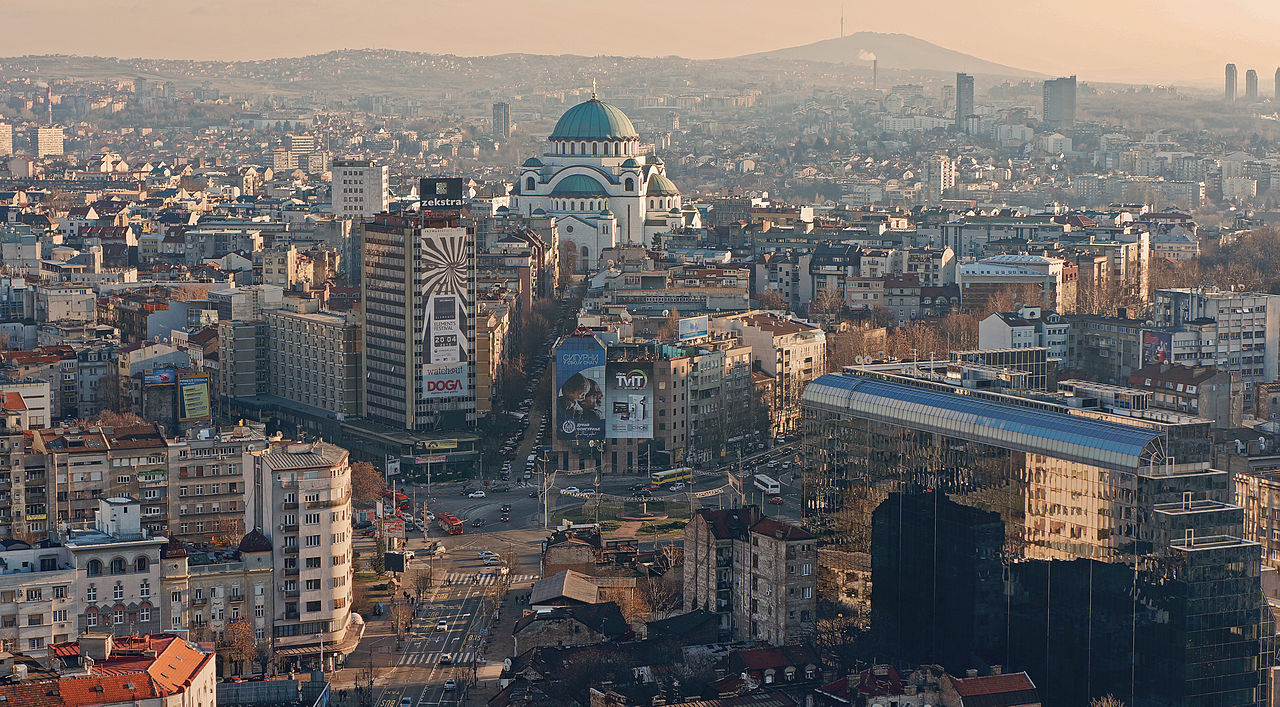
Serbia is a 88,361 km² landlocked Balkan country with 6.6 million people, occupying the crossroads of Central Europe and the Mediterranean. The country has emerged as one of Europe's strongest value destinations — Belgrade rivals Budapest and Prague for cultural depth but at 30-40% lower prices. Serbia's history spans Roman frontier (Emperor Constantine the Great was born in Niš), medieval Serbian Empire under Stefan Dušan, five centuries of Ottoman rule, and the Yugoslav 20th century. Belgrade sits at the confluence of the Danube and Sava rivers — controlled by 40+ different rulers across its history, making it one of Europe's most fought-over cities. The country's cultural pillars include Orthodox monasteries (Studenica, Žiča, Sopoćani, Manasija, Ravanica — many UNESCO-listed for medieval frescoes), Belgrade's notorious nightlife (the floating "splav" river clubs along the Sava and Danube), the EXIT Festival at Novi Sad's Petrovaradin Fortress (one of Europe's largest summer music festivals since 2000), and exceptional rakija and grilled meat traditions. The northern Vojvodina region — historically Habsburg, with significant Hungarian and Slovak minorities — feels distinctly Central European; the southern Šumadija and Kosovo border areas hold deeper Orthodox heritage. Climate is humid continental (Dfb in Köppen) with sharp seasonal contrast.
Quick verdict
Best overall: May-June and September-October.
Best for EXIT Festival at Petrovaradin Fortress: Mid-July (Novi Sad).
Best for Belgrade city break: April-October; September particularly rewarding.
Best for Orthodox monasteries: April-October.
Best for wine country (Fruška Gora, Negotin): September-October harvest.
Best for Drina River rafting and Tara National Park hiking: June-September.
Best for skiing at Kopaonik: December-March.
Best for Guča Trumpet Festival (Balkan brass): Early August.
Best for Belgrade Beer Fest: Mid-August.
Best for Belgrade Christmas Markets: Late December-mid January (Orthodox Christmas January 7).
Best for budget travelers: February-March and November.
Avoid if you can: Belgrade late July-August (32-35 °C heat, locals decamped to coast, restaurants on reduced hours); ski resorts during international school holidays without booking; the Belgrade winter pollution episodes.
Shoulder seasons (May-June, September-October)
Serbia at its quality peak. Belgrade daytime 18-26 °C; Novi Sad similar; southern monastery valleys 15-23 °C. The famous Belgrade Fortress (Kalemegdan) is at its best for evening walks overlooking the Danube-Sava confluence. Knez Mihailova pedestrian street, the Skadarlija bohemian quarter (where Serbian writers and musicians gathered in the 19th-20th centuries), and the Belgrade Waterfront redevelopment along the Sava all reward extended exploration. The Saint Sava Temple — among the world's largest Orthodox church buildings, with a completed interior mosaic ceiling unveiled in stages 2018-2023 — provides a defining Belgrade cultural moment.
Novi Sad — Serbia's second city in northern Vojvodina, 80 km from Belgrade — was 2022 European Capital of Culture. The Petrovaradin Fortress (the "Gibraltar of the Danube"), Dunavska Street, and the multicultural Habsburg-era core distinguish Vojvodina from southern Serbia. The fortress is the EXIT Festival venue; outside festival week it's a quieter walking destination with extraordinary Danube views.
The Orthodox monastery circuit — typically requiring a rental car or multi-day organized tour from Belgrade — covers Studenica (UNESCO, founded 1190 by Stefan Nemanja), Žiča (the original seat of the Serbian Orthodox Church), Sopoćani (UNESCO, with extraordinarily preserved 13th-century frescoes), Manasija, Ravanica, and the Ovčar-Kablar Gorge monasteries. Spring and autumn provide comfortable visiting conditions; some monasteries close their churches in winter due to heating limitations.
Summer (June-August)
Serbia at its hottest and most active festival period. Belgrade and Novi Sad daytime 28-33 °C with occasional 36-38 °C heatwaves; high humidity from rivers; nights stay 18-22 °C. The EXIT Festival (mid-July at Petrovaradin Fortress) draws 200,000+ attendees over 4 days. The Guča Trumpet Festival (early August in the Šumadija region) is the world's largest brass band festival and a defining Balkan cultural event — drawing 600,000+ attendees and 1,000+ trumpet players. The Belgrade Beer Fest at Ušće Park (mid-August, free entry) presents major Serbian and international acts.
The Drina River — forming the Bosnia-Serbia border in western Serbia — provides Serbia's premier rafting and wild river experience. The Drina Regatta in mid-July sees thousands of recreational rafts and kayaks descend the river to Bajina Bašta. Tara National Park (in western Serbia, with the famous Banjska Stena viewpoint over the Drina canyon) and Kopaonik National Park provide summer hiking and mountain biking.
Winter (December-March)
Cold but culturally rich. Belgrade -3 to 5 °C daytime with regular -10 °C cold snaps; reliable snow possible but not guaranteed. Serbian Orthodox Christmas falls January 7 (Julian calendar) — the slava family saint's day tradition continues to define Serbian winter household culture. The Kopaonik ski resort (the largest in Serbia, with reliable December-March snow) provides accessible skiing at 30-40% of Western European prices. Zlatibor mountain provides cross-country skiing and winter resort culture.
Belgrade's notorious nightlife operates year-round but reaches different peaks by season. The floating "splav" river clubs along the Sava and Danube operate primarily April-October; winter nightlife concentrates in indoor clubs in the Beton Hala waterfront, Cetinjska Street, and Savamala districts. The Belgrade café culture provides extensive winter atmosphere.
Festivals & cultural events
EXIT Festival (Novi Sad, mid-July): One of Europe's premier music festivals.
Guča Trumpet Festival (Šumadija, early August): World's largest brass band gathering.
Belgrade Beer Fest (mid-August): Free major music festival at Ušće Park.
BELEF — Belgrade Summer Festival (July-August): Multi-discipline arts festival.
Drina Regatta (mid-July): Major recreational rafting event.
FEST Belgrade International Film Festival (late February-early March): Major regional cinema event.
BITEF Theatre Festival (mid-September): Premier Belgrade theater event.
Orthodox Christmas (January 7): Major Serbian religious holiday.
St. Sava Day (January 27): Day of Serbian schools and education.
Vidovdan (June 28): Important historical/religious holiday commemorating the 1389 Battle of Kosovo.
Štrumica International Carnival (varies): Major regional carnival celebration.
Cuisine and cultural notes
Serbian cuisine emphasizes grilled meat (ćevapi, pljeskavica, ražnjići), slow-cooked stews (sarma, đuveč, gulaš), pastries (burek, gibanica), strong rakija plum brandy, and Vojvodina wine country (white varietals Bermet, Riesling). Coffee culture is exceptional — Serbians take long, leisurely coffee meetings as central to social life. Serbian Cyrillic and Latin alphabets are both used in everyday signage. The Serbian language is mutually intelligible with Croatian, Bosnian, and Montenegrin.
Serbian Dinar (RSD) is the currency. Tipping 10%. Driving on the right side. Visa-free for most Western nationalities. ATMs widely available; cash culture still strong in smaller establishments.
Practical considerations
Belgrade Nikola Tesla Airport (BEG) is the main aviation hub — Air Serbia plus extensive European low-cost connections. Novi Sad and Niš have smaller airports with limited service. Internal travel by Lasta and Niš Express buses (extensive network at low cost) or rental car. Train system limited but improving with new Belgrade-Novi Sad high-speed line.
Traveler-type advice
First-time visitors (Belgrade focus): April-October.
Music festival travelers: Mid-July for EXIT; early August for Guča.
Cultural travelers (monasteries): May-October.
Wine travelers: September-October for Fruška Gora and Negotin harvest.
Adventure travelers: June-September on Drina and Tara National Park.
Skiers: December-March at Kopaonik.
Photographers: September-October for foliage; January for Orthodox Christmas cultural depth.
Budget travelers: February-March and November; Serbia is genuinely affordable year-round.
Combined Balkan travelers: Serbia + Bosnia + Croatia + Montenegro works May-October.
Bottom line
Serbia rewards May-June and September-October visits for the best balance of weather, culture, and value. Belgrade is one of Europe's most underrated capitals — combining Slavic Orthodox heritage, Habsburg architectural influence in adjacent Vojvodina, and famously dynamic nightlife. The EXIT Festival in mid-July provides Serbia's defining seasonal event for music travelers. Allow 4-5 days for Belgrade plus Novi Sad; add 3-4 days for the Orthodox monastery circuit and southern Serbia. The country offers exceptional value (30-40% below Western European city break prices) combined with rapidly improving tourism infrastructure.