

The Dravidian language family is one of the world's major language groups, comprising over 80 languages spoken by approximately 250 million people, primarily in southern India and Sri Lanka. The four largest Dravidian languages — Tamil, Telugu, Kannada, and Malayalam — each have rich literary traditions spanning centuries and serve as official languages of their respective Indian states.
Introduction
What makes the Dravidian family particularly fascinating is its deep antiquity and geographic isolation. While the Indo-European languages dominate northern India, the Dravidian languages have maintained their distinct identity in the south for thousands of years. The family's origins predate the arrival of Indo-European speakers in the subcontinent, and isolated pockets of Dravidian languages in Pakistan and Central India suggest the family once had a much wider geographic range.
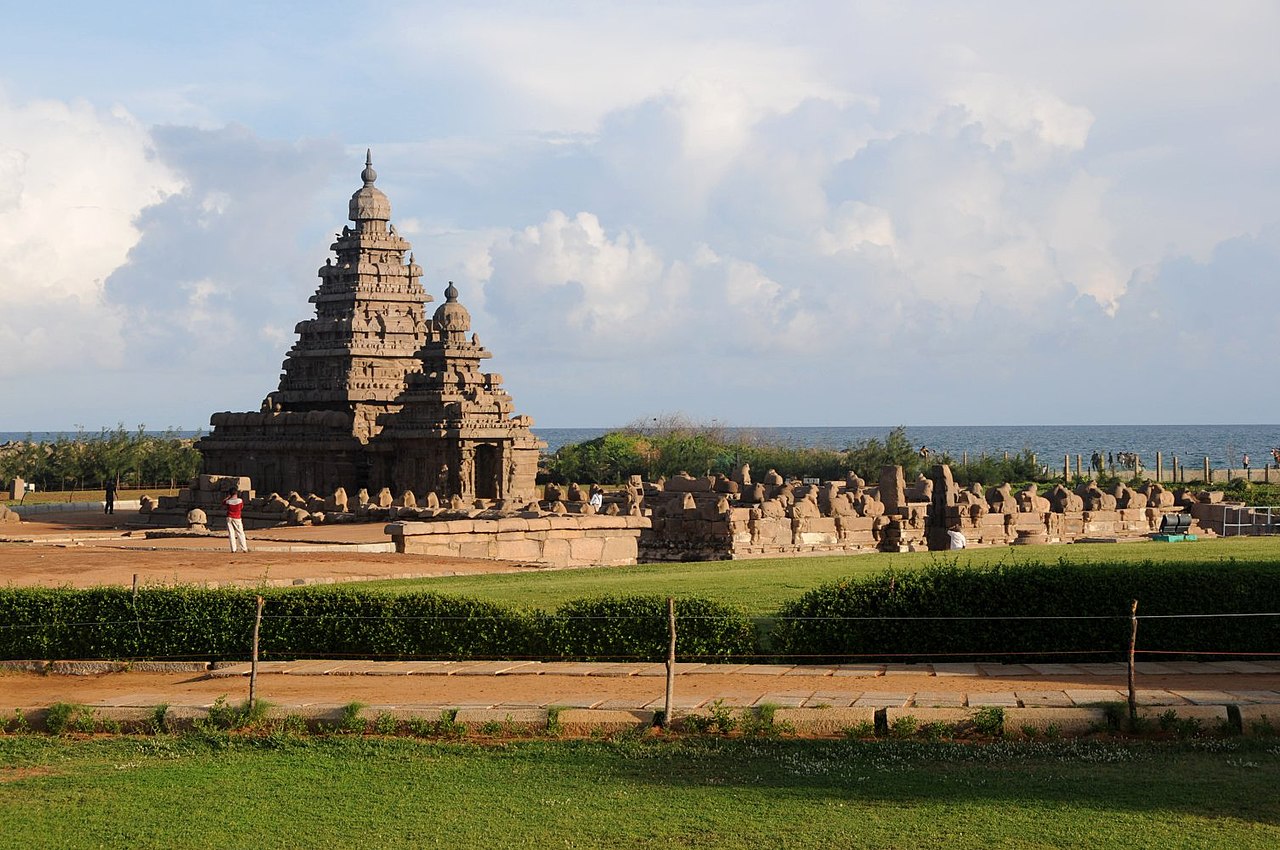
The Big Four
- Tamil: ~75 million speakers — Sri Lanka, Singapore official language; oldest literature (300 BC)
- Telugu: ~83 million speakers — most spoken Dravidian language
- Kannada: ~44 million speakers — official language of Karnataka
- Malayalam: ~38 million speakers — official language of Kerala, high literacy state
Telugu has the most native speakers of any Dravidian language at approximately 83 million, making it the most spoken language in India after Hindi and Bengali. Telugu is the official language of Andhra Pradesh and Telangana, and its speakers have formed significant diaspora communities in the United States, where Telugu is the fastest-growing language in several states.
Tamil holds a special status as the oldest Dravidian language with a continuous literary tradition, with Sangam literature dating to the 3rd century BC. Tamil is unique among Indian languages in having a classical literature that can still be read and understood by modern speakers. It is an official language in India (Tamil Nadu), Sri Lanka, and Singapore, and has a diaspora of over 8 million people worldwide, particularly in Malaysia, Singapore, and the Gulf states.
Origins and Antiquity
- Age: Proto-Dravidian estimated at 4,500-5,000 years old
- Pre-Indo-European: Dravidian languages predate Indo-European arrival in India
- Brahui: 1.5 million speakers in Pakistan — isolated Dravidian language
- Indus Valley: Possible (debated) connection to the Indus Valley Civilization
The Dravidian languages predate the arrival of Indo-European languages in the Indian subcontinent, which occurred around 1500 BC. Proto-Dravidian is estimated to be 4,500-5,000 years old, and some linguists have proposed a connection to the undeciphered Indus Valley Civilization script (2600-1900 BC), though this remains unproven and controversial.
The most striking evidence of Dravidian's ancient geographic range is Brahui, a Dravidian language spoken by approximately 1.5 million people in the Balochistan region of Pakistan — thousands of kilometers from the Dravidian heartland in South India. Brahui's existence suggests that Dravidian languages once covered much of the subcontinent before being displaced by Indo-European (Indo-Aryan) languages spreading from the northwest.
Linguistic Features
- Grammar: Agglutinative, like Turkish and Japanese
- Retroflex Consonants: Distinctive sounds produced by curling the tongue back
- Word Order: Subject-Object-Verb (SOV)
- Influence on Hindi: Retroflex sounds in Hindi come from Dravidian substrate
Dravidian languages are agglutinative, building complex words by adding suffixes to roots, similar to Turkish and Japanese. A single Tamil word like "pookadithavanukkaaga" means "for the sake of the one who got beaten." This agglutinative structure contrasts sharply with the inflectional grammar of the neighboring Indo-European languages of North India.
Dravidian languages are famous for their retroflex consonants — sounds produced by curling the tongue backward to touch the roof of the mouth. These sounds are so distinctive that they influenced the Indo-Aryan languages of North India: Hindi, Bengali, and other Indo-European languages of India have retroflex sounds that their European cousins lack, a clear sign of thousands of years of contact between Dravidian and Indo-Aryan speakers.
Scripts and Literature
- Tamil Script: Rounded, distinctive, evolved from Brahmi (3rd century BC)
- Telugu-Kannada: Share a common ancestor script
- Malayalam: Evolved from Tamil-Grantha combination
- Classical Status: Tamil (2004) and Telugu (2008) recognized as Classical Languages of India
Each major Dravidian language has its own script, all descended from the ancient Brahmi script but diverging over centuries into distinct visual systems. Tamil script is notably rounded, Telugu and Kannada scripts share a common ancestor and appear similar to the untrained eye, and Malayalam script is the most complex, with over 50 characters that evolved from a combination of Tamil and Grantha scripts.
The Dravidian literary tradition is among the oldest in the world. Tamil Sangam literature (3rd century BC to 3rd century AD) is a collection of over 2,000 poems covering love, war, and ethics that remain central to Tamil cultural identity. Telugu literature flourished under the Vijayanagara Empire (14th-17th centuries), and Kannada has one of the earliest known works in any Indian language — the Kavirajamarga, a treatise on poetics from 850 AD.
Key Facts
- The Dravidian family includes 80+ languages spoken by ~250 million people, primarily in South India
- Telugu (~83 million speakers) is the most spoken Dravidian language and India's third most spoken language
- Tamil has the oldest continuous literary tradition in India, with texts dating to the 3rd century BC
- Brahui in Pakistan (1.5 million speakers) is evidence of Dravidian's once-wider geographic range
- Dravidian retroflex consonants influenced Hindi and other North Indian languages through millennia of contact
Fun Facts
- Tamil is the only Dravidian language that is an official language in three countries: India, Sri Lanka, and Singapore
- The Indian state of Kerala, where Malayalam is spoken, has one of the highest literacy rates in the world at 96%
- Telugu was once called the "Italian of the East" by European visitors because most words end in vowels
- The word "orange" may ultimately derive from the Dravidian word "narangi" via Sanskrit and Persian
Final Thoughts
The Dravidian language family is a testament to linguistic resilience. Despite millennia of contact with and pressure from Indo-European languages, the Dravidian languages of South India have not only survived but thrived, developing rich literary traditions, distinct scripts, and cultural identities that are central to the lives of 250 million people. Their ancient roots, possibly connecting to the Indus Valley Civilization, make them one of the most important language families for understanding human linguistic history.
Test Your Knowledge!
Think you know your world languages? Try our interactive quiz!
Play Geography Games →