
Introduction
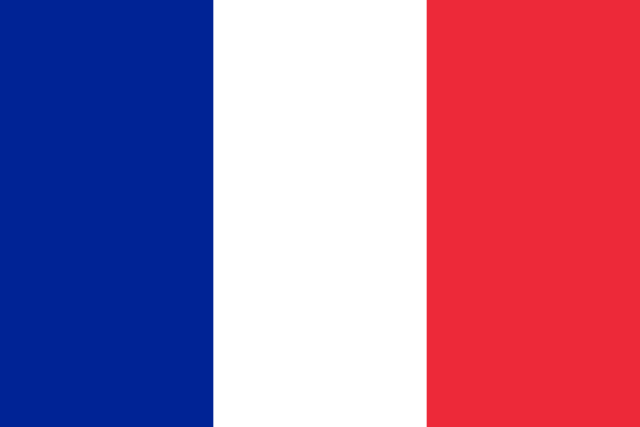
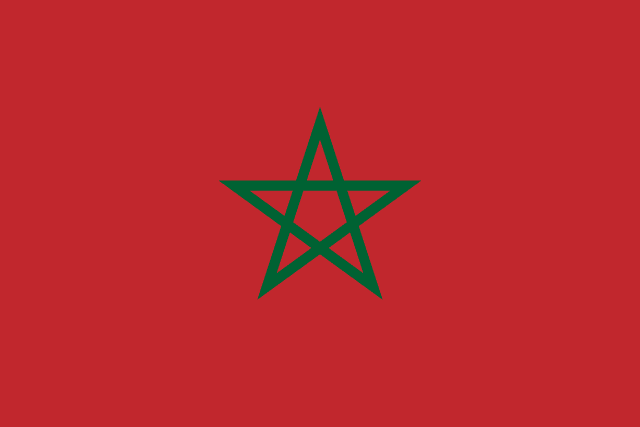
France 🇫🇷 and Morocco 🇲🇦 face each other across the western Mediterranean, separated by sea but tied together by centuries of trade, migration, and a shared working language. One is a Western European power, the other a North African kingdom, and the contrast between them runs deeper than the strait between their coasts. This comparison lines them up on area, population, capitals, climate, and the features that make each distinctive.
Whether you are studying geography, planning a trip across the Mediterranean, or simply curious about how the two compare, the figures below set out the essentials.
Size & Geography
| Feature | France 🇫🇷 | Morocco 🇲🇦 |
|---|---|---|
| Area | 643,801 km² | 446,550 km² |
| Continent | Europe | Africa |
| Region | Western Europe | North Africa |
| Land Borders | Belgium, Luxembourg, Germany, Switzerland, Italy, Spain, Andorra, Monaco | Algeria, Western Sahara, Spain (Ceuta & Melilla) |
| Landscape | mostly flat plains; hills and mountains along borders | Atlas Mountains, Sahara Desert, Atlantic and Mediterranean coasts |
France is the larger country, its 643,801 km² roughly 1.4 times Morocco's 446,550 km². They sit on different continents, France in Western Europe and Morocco in North Africa, and that shows in their neighbors. France shares land borders with eight states, from Belgium to Monaco, sitting at the crossroads of the continent. Morocco borders only Algeria, Western Sahara, and the Spanish enclaves of Ceuta and Melilla. The terrain contrasts as well: France is mostly flat plains, with hills and mountains gathered along its frontiers, while Morocco is shaped by the Atlas Mountains, a stretch of the Sahara, and coastlines on both the Atlantic and the Mediterranean.
Population & Demographics
| Metric | France 🇫🇷 | Morocco 🇲🇦 |
|---|---|---|
| Population | 66.7 million | 38.8 million |
| Population Density | 103.7 per km² | 86.8 per km² |
France's 66.7 million residents outnumber Morocco's 38.8 million by about 1.7 to one. Because France is also the bigger country, the two end up fairly close on density, 103.7 people per km² in France against 86.8 in Morocco, a gap of only about 16.9 per km². So while France leads clearly on total population, the two are not far apart in how tightly settled they are on average.
Capital Cities
Paris is the capital of France and Rabat the capital of Morocco, but they sit on different continents, Paris in Europe and Rabat in Africa. Paris is also France's largest city and one of the most visited places on earth, whereas Morocco's capital, Rabat, is administrative in character, with the larger Casablanca serving as the country's commercial center.
Language, Currency & Culture
| Aspect | France 🇫🇷 | Morocco 🇲🇦 |
|---|---|---|
| Languages | French (official) | Arabic and Berber (both official), French widely used |
| Currency | Euro (EUR) | Moroccan Dirham (MAD) |
Here the two countries connect directly. French is the sole official language of France and remains widely used in Morocco alongside the official Arabic and Berber, a lasting trace of the period when Morocco was a French protectorate. That shared language still underpins close ties in trade, education, and migration. The currencies, however, mark the divide: France uses the Euro (EUR) as part of the eurozone, while Morocco issues its own Moroccan Dirham (MAD).
Climate & Natural Features
| Aspect | France 🇫🇷 | Morocco 🇲🇦 |
|---|---|---|
| Climate | Mediterranean in south, oceanic in west, continental in east | Mediterranean in the north, arid in the south |
| Key Features | Alps, Pyrenees, Loire Valley, French Riviera, Mont Blanc | Atlas Mountains, Sahara Desert, Rif Mountains |
| Economy | aerospace, tourism, agriculture, luxury goods, nuclear energy | agriculture, phosphates, tourism, textiles |
France spans several climate zones, Mediterranean in the south, oceanic in the west, and continental in the east, which gives it everything from sun-soaked coast to alpine snow. Its standout features include the Alps, the Pyrenees, the Loire Valley, the French Riviera, and Mont Blanc, the highest peak in Western Europe. Morocco is Mediterranean in the north and arid toward the south, its landscape defined by the Atlas Mountains, the Sahara Desert, and the Rif Mountains. The two share a Mediterranean influence but apply it at very different scales. Their economies diverge sharply: France is a diversified industrial power built on aerospace, tourism, agriculture, luxury goods, and nuclear energy, while Morocco rests on agriculture, phosphates, tourism, and textiles.
What Makes Each Country Unique
France is renowned for the Eiffel Tower, its cuisine and wine, the fashion capital of Paris, and world-class art museums. It is the most visited country in the world, drawing over 89 million international tourists a year.
Morocco is known for its colorful souks and medinas, the Sahara Desert, and dishes such as tagine and couscous. The University of al-Qarawiyyin in Fez, founded in 859 AD, is recognized as the oldest existing university in the world.
Key Differences at a Glance
- Area: France (643,801 km²) vs Morocco (446,550 km²) — France is 1.4x larger
- Population: France (66.7 million) vs Morocco (38.8 million) — France is 1.7x more populous
- Capitals: Paris vs Rabat
- Currency: Euro (EUR) vs Moroccan Dirham (MAD)
- Continents: Europe vs Africa
- Density: France is more densely populated (difference of ~16.9 people per km²)
- Languages: French (official) vs Arabic and Berber (both official)
Verdict
Linked across the Mediterranean by history and a common working language, France and Morocco still belong to different worlds. France is larger and more populous, 1.4 times the area and 1.7 times the population, a Western European economy spanning Mediterranean, oceanic, and continental climates. Morocco answers from North Africa with the Atlas Mountains, the Sahara, and a long coastline on two seas.
France's identity rests on the Eiffel Tower, its cuisine, and peaks like Mont Blanc, anchored by industries from aerospace to luxury goods. Morocco's lies in its medinas, its desert, and its phosphate-rich economy. The French language threads through both, a reminder of how closely their pasts are entwined even as their geographies pull apart.
Set side by side, the two illustrate how a sea can join two countries as much as divide them. For students, travelers, and the curious alike, comparing the figures is a fast way to see exactly where Europe and North Africa meet, and where they part.
Test Your Knowledge!
Think you know your countries? Try our interactive geography quiz!
Play Geography Games →